Enterprise-grade server platforms, high-speed network interfaces, and modular computing nodes engineered for demanding threat-inspection payloads.
Providing the high-performance computational baseline required for zero-trust security architectures, hardware-assisted encryption, and deep packet inspection (DPI).
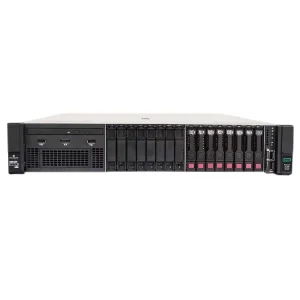
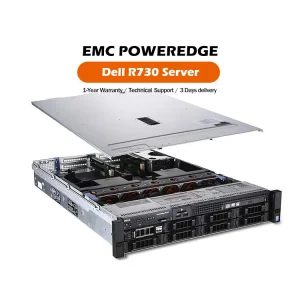
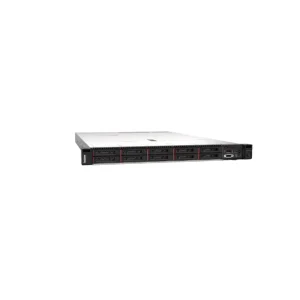
Modern enterprise networking architectures have shifted away from closed, proprietary ASIC-based appliances to decoupled, open x86 and ARM platforms. Running high-throughput applications like Next-Generation Firewalls (NGFW), Virtual Private Network (VPN) hubs, Intrusion Detection and Prevention Systems (IDS/IPS), and Secure Access Service Edge (SASE) requires a rock-solid computational foundation. This shifts the engineering focus to high-capacity, multi-socket servers like the HPE ProLiant DL380 Gen10 or the Lenovo ThinkSystem SR665 V3, which offer the multi-core processing density needed to execute inline deep packet inspection without inducing latency bottlenecks.
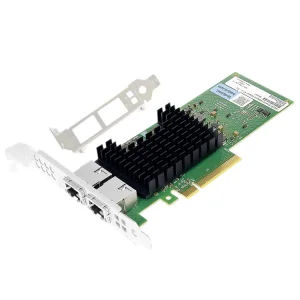
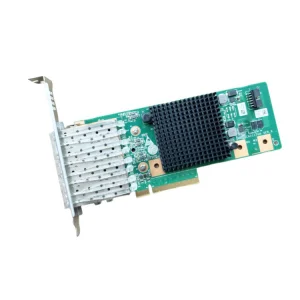
High packet processing rates are essential for high-throughput networks. Selecting high-density network interface cards (NICs) such as the Intel Ethernet Network Adapter X710 is critical. These controllers support advanced traffic virtualization, Single Root I/O Virtualization (SR-IOV), and Data Plane Development Kit (DPDK) libraries, bypassing the host operating system kernel to route network packets directly to application memory space. This decreases CPU utilization and allows server nodes to function as reliable, high-speed firewalls and intrusion prevention engines at scale.
Strict quality assurance protocols, component traceability, and comprehensive logistics support designed for international distributors and systems engineers.
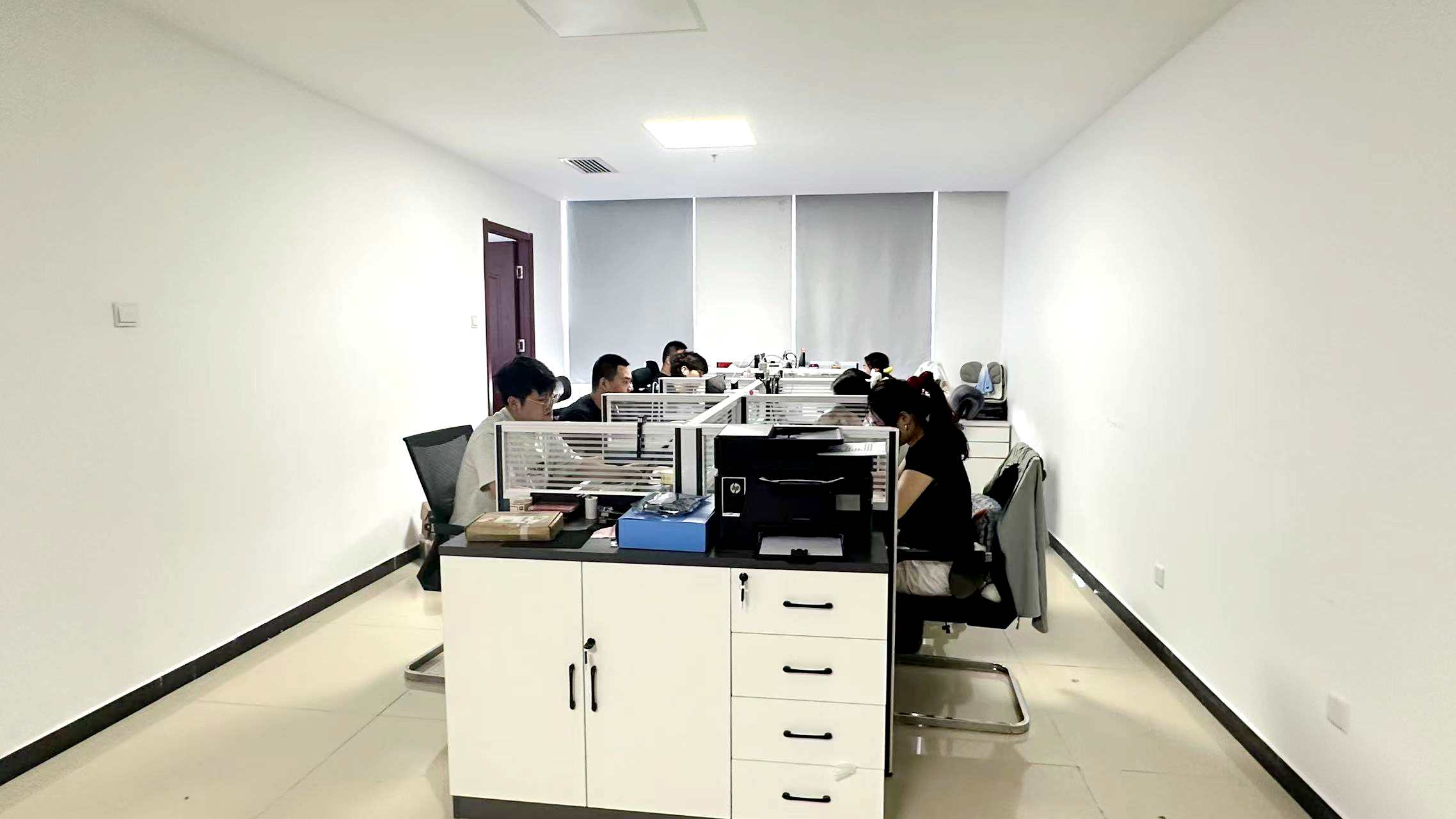
Global systems integrators demand transparent hardware sourcing, product durability, and fast turnaround times. Operating from our state-of-the-art facility, we leverage local supply chains to source genuine components, test them under heavy synthetic loads, and deliver ready-to-deploy hardware solutions internationally.
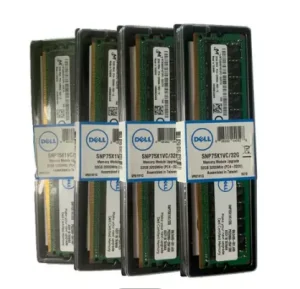
Unlike standard office servers, security appliance platforms must run 24/7/365 under constant traffic pressure. A single memory parity error or link drop on an Ethernet controller can compromise network uptime. Our quality assurance protocol features 100% inspection of all products led by a dedicated, certified QA/QC engineer. This involves testing storage drives, running memory burn-in tests using ECC registered configurations (such as DDR4 3200MHz ECC RDIMMs for the PowerEdge R750), and verifying the operational status of network adapters under load before packaging and export.
Security appliance vendors face strict scrutiny regarding supply chain integrity. Software vulnerability scans are ineffective if the underlying hardware contains counterfeit modules or unverified legacy parts. Our quality standard guarantees the traceability of raw materials and subcomponents. Whether supplying brand-new components or verified refurbished chassis, we track individual serial numbers for processors, memory chips, and high-performance network adapters, providing transparency and compliance for security integration partners.
Matching specific processing workloads and interface configurations to the appropriate server and network modules.
| Appliance Target Role | Recommended Hardware Base | Processor Type | Network Interfaces | Primary Deployment Benefit |
|---|---|---|---|---|
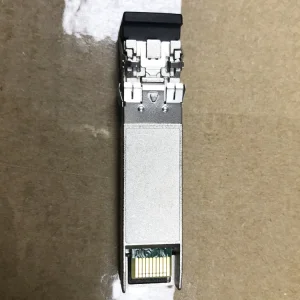
| Next-Gen Firewall (NGFW) & DPI | HPE ProLiant DL380 Gen10 / Dell R750 | Dual Intel Xeon Scalable | Intel X710 10/25GbE SFP+ | High cryptographic throughput, stable lane expansion |
| High-Density ZTNA Controller | Lenovo ThinkSystem SR665 V3 | Dual AMD EPYC (High Core Count) | Multi-port 25Gb SFP28 Adapter | High virtualization density, massive container execution |
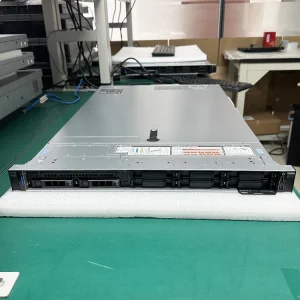
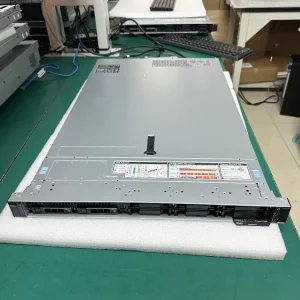
| Enterprise Branch VPN Concentrator | Dell PowerEdge R640 1U Rack Server | Intel Xeon Silver Series | 4-Port 10GbE Base-T / SFP+ | Compact footprint, energy efficiency, solid local I/O |
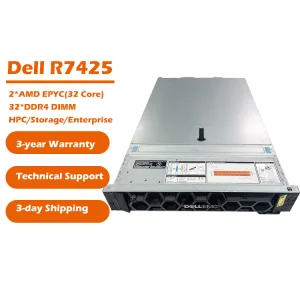
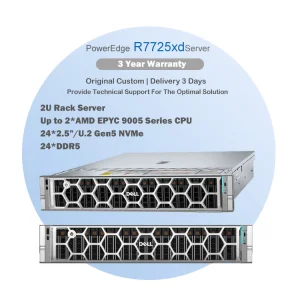
| AI Threat Detection & Logging (SIEM) | Dell PowerEdge R7725XD Storage Node | AMD EPYC + High-capacity SSDs | Intel XXV710 Dual-Port 25GbE | Fast read/write cycles, high security logging retention |
Meeting regional requirements, localized hardware regulations, and deployment configurations across multiple business environments.
Deploying energy-efficient 1U platforms (like the Dell PowerEdge R640) at regional branch offices. These serve as secure edge gateways, processing SD-WAN routing and local stateful firewall filtering without a large server footprint.
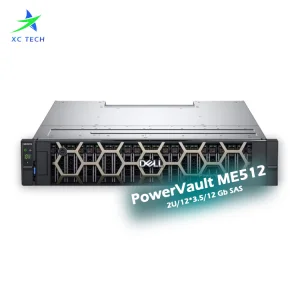
Integrating high-density servers equipped with AMD EPYC processors and high-capacity storage arrays (such as the PowerVault ME4 Series). These configurations ingest and analyze telemetry data from thousands of endpoints in real time.
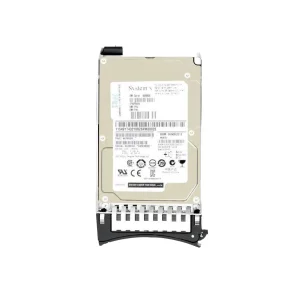
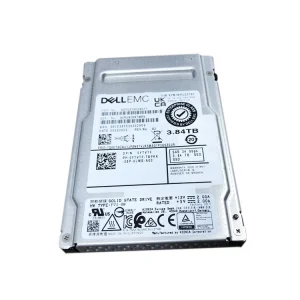
Leveraging high-end deep-learning platforms, such as the Dell EMC PowerEdge R7725XD configured with high-speed SSD storage (like the KPM7WRUG3T84 SAS SSD), to run machine learning models at the data link layer for real-time threat detection.
Deploying security hardware internationally requires compliance with local regulatory frameworks. System engineers must choose platforms that meet varying regional requirements, such as GDPR (Europe), HIPAA & PCI-DSS (North America), and local cybersecurity regulations in the domestic market. We address these requirements by providing hardware with integrated TPM 2.0 (Trusted Platform Modules), secure cryptographic storage options, and verified secure firmware roots of trust.
Answering key technical and logistical questions for procurement officers, system integrators, and security engineers.
High-capacity storage systems, processing arrays, and optical network components configured for high-availability security logging and analytical tasks.
 Vertex AI Server