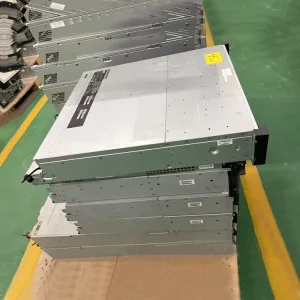
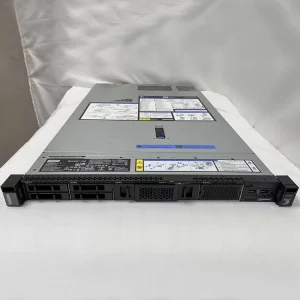
Pre-configured and fully certified dual-socket rackmount nodes, certified storage servers, and high-performance GPU environments engineered for seamless deployment.
Transparent hardware manufacturing, rigorous engineering standards, and metrics verifying our international market authority.
As a specialized Used Server Manufacturer and Global Exporter, our operations since 2021 have addressed a vital requirement in modern computing infrastructure: balancing the explosive growth of processing demands (such as AI training, LLM deployments, and virtualization) with capital efficiency. By designing a highly reliable loop of asset recovery, diagnostic validation, component replacement, and firmware optimization, we convert decommissioned and off-lease enterprise hardware into enterprise-grade systems.
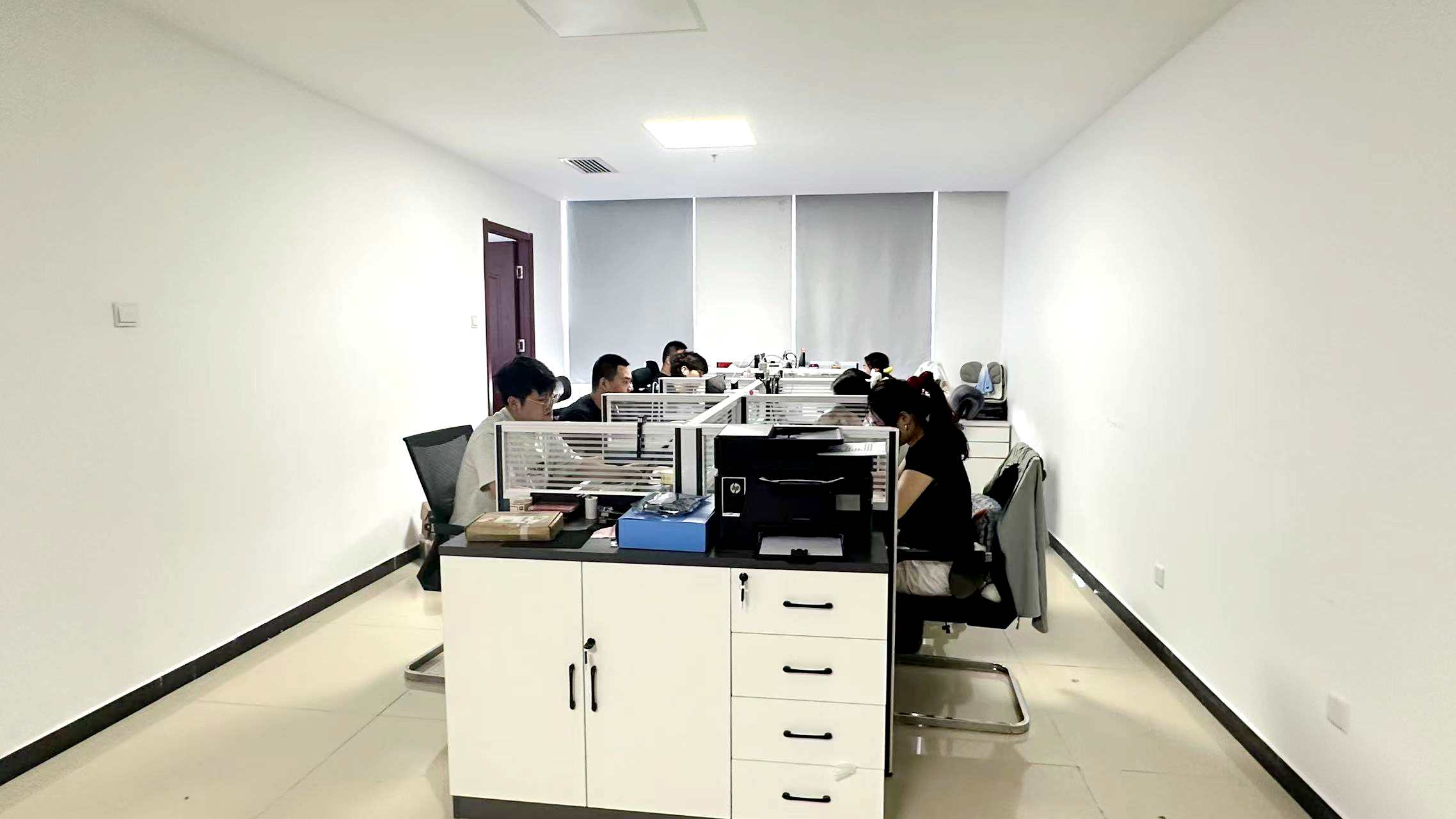
Supported by a dedicated QA facility with 100% inspection processes, we export high-density hardware configuration to engineering projects, resellers, and wholesale distributors in Eastern Europe (20%), the Domestic Chinese Market (15%), and North America (10%). Every system leaving our line undergoes thorough component validation, storage erasure compliance, and power-cycling diagnostics to ensure out-of-box operational continuity.
The global digital economy runs on high-density silicon. In recent years, hyperscale data centers, distributed edge networks, and local AI initiatives have faced significant pressure. Increased energy costs, supply chain bottlenecks for next-generation silicon, and rising hardware pricing have created challenges for CTOs and IT procurement directors worldwide. Historically, corporate IT cycles followed a strict 3-to-5-year hardware replacement cycle. Today, this practice is shifting due to two primary factors: the slowing of Moore's Law and the growing priority of sustainability in computing infrastructure.
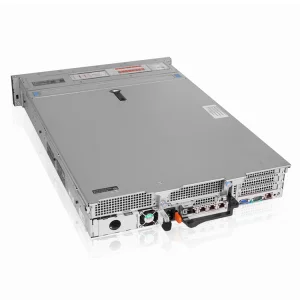
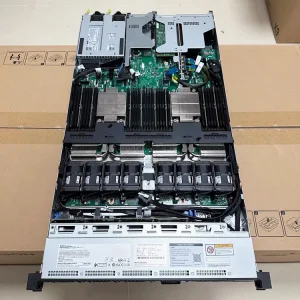
Refurbished and certified used servers are no longer viewed simply as budget options for non-critical workloads. In modern enterprise environments, they serve as strategically valuable, high-performance infrastructure components. When sourced from a reliable exporter with verified quality assurance processes, systems like the Dell EMC PowerEdge R740 or HPE ProLiant DL380 Gen10 deliver performance capabilities that closely match newer generations, but at a fraction of the total cost of ownership (TCO). This model allows companies to scale out their compute resources—whether for container orchestration, disaster recovery nodes, or localized testing environments—without the long lead times or high capital expenditures associated with newly manufactured systems.
When enterprise servers are decommissioned, their underlying silicon—including Intel Xeon Scalable or AMD EPYC processors—retains its structural integrity and processing capability. Silicon does not degrade linearly with usage; instead, system reliability is primarily determined by thermal cycling, power supply stability, and clean operating environments.
Our reclamation process targets key areas susceptible to wear, such as storage drives, memory modules, cooling fans, and power supplies. By installing new or fully certified modules, upgrading storage systems, and applying the latest firmware revisions, we provide systems that meet original performance standards. This approach extends the lifecycle of valuable hardware assets and helps reduce electronic waste, supporting circular economy initiatives.
Navigating the hardware options within the secondary market requires an understanding of processor architectures, memory performance, and PCIe bus lanes. Standardizing on platforms like HPE Gen9/Gen10 or Dell PowerEdge 13G/14G/15G provides access to scalable architectures that integrate smoothly into existing deployments.
| Server Platform | Processor Support | Memory Type / Bus Speed | PCIe Architecture | Target Enterprise Workload |
|---|---|---|---|---|
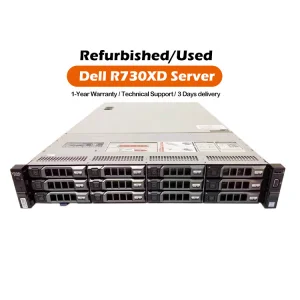
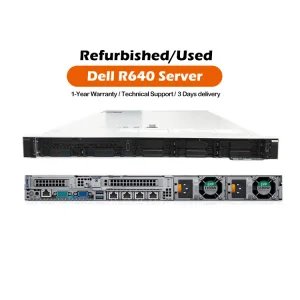
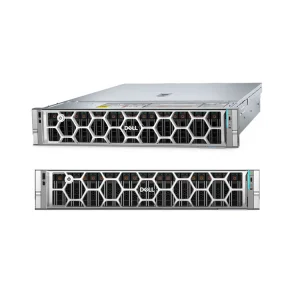
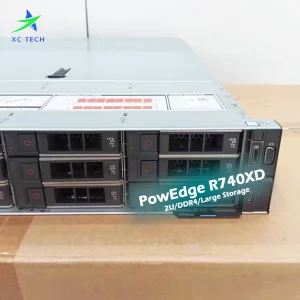
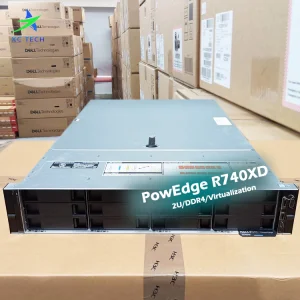
| Dell PowerEdge R640 / R740 / R740XD | Intel Xeon Scalable 1st & 2nd Gen | DDR4 ECC RDIMM (Up to 2933 MT/s) | PCIe Gen3 (Up to 8 lanes per slot) | Virtualization, High-Density Storage, Database Indexing |
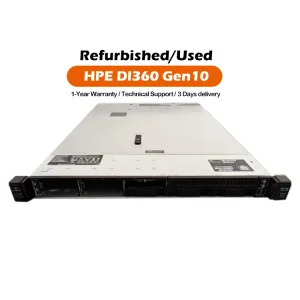
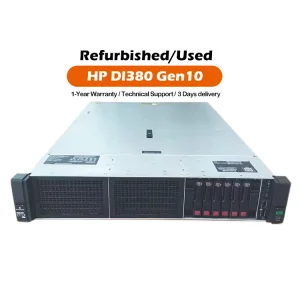
| HPE ProLiant DL360 / DL380 Gen10 | Intel Xeon Scalable 1st & 2nd Gen | DDR4 SmartMemory (Up to 2933 MT/s) | PCIe Gen3 (FlexibleLOM support) | Hybrid Cloud Compute, ERP Hosting, Edge Aggregation |
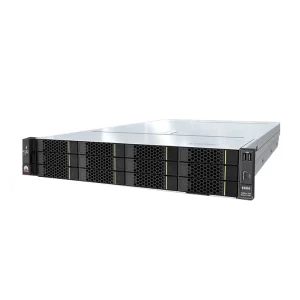
| Huawei Taishan 200 (Kunpeng 920) | Kunpeng 920 ARMv8 (64 Core) | DDR4 8-channel (Up to 3200 MT/s) | PCIe Gen4 (Increased Bandwidth) | Localized Cloud, DeepSeek, Distributed NoSQL databases |
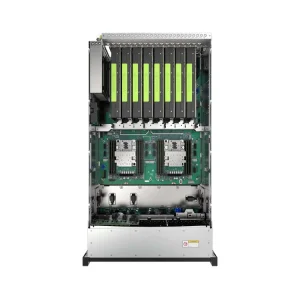
| Xfusion CX5200 V5 (AI / GPU platform) | Dual Intel Xeon Scalable Series | DDR4 (Up to 24 DIMM Slots) | PCIe Gen3 (Optimized for GPU busing) | AI Inference, Machine Learning Training, Video Analytics |
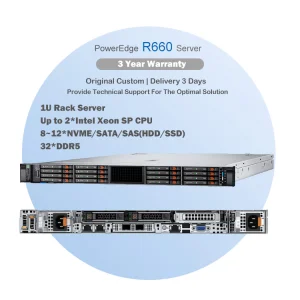
| Dell PowerEdge R660 / R7725XD | AMD EPYC / Intel Xeon 4th Gen | DDR5 ECC RAM (Up to 4800 MT/s) | PCIe Gen5 (High-speed interconnects) | Large Language Model (LLM) fine-tuning, HPC clusters |
For example, the transition from PCIe Gen3 to PCIe Gen4 significantly improves storage bandwidth, which is critical for NVMe storage performance. However, for many enterprise virtualization tasks (such as running VMware ESXi or Proxmox VE clusters), processors like the Intel Xeon Gold 6148 or Platinum 8180, combined with high-capacity DDR4 ECC Registered memory, offer an optimal balance of core density and cost.
Determining where to deploy certified used hardware is key to optimizing infrastructure spend. Not all production workloads require the absolute latest silicon. Our engineering team has identified several high-impact deployment scenarios where refurbished systems deliver excellent performance-to-cost ratios:
Deploying clustered VM environments using VMware, Proxmox, or OpenStack. Reclaimed 1U/2U servers with high-core-count Xeon or EPYC processors provide cost-effective memory and core density for hosting containerized microservices and virtual desktops.
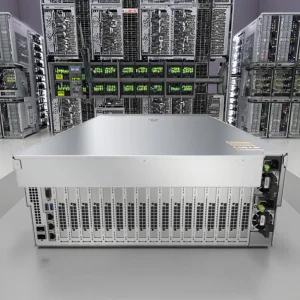
Running local AI models, machine learning training, and inference engines (including open-source models like DeepSeek). Utilizing systems like the Huawei xFusion CX5200 V5, developers can build scalable GPU clusters at a lower entry cost.
Configuring backup repositories, object storage, and disaster recovery sites. Platforms like the Dell PowerEdge R730XD, which supports up to 24 or more 3.5" or 2.5" drives, serve as excellent nodes for Ceph, TrueNAS, and Veeam backup targets.
By routing non-primary applications, staging zones, developer sandboxes, and recovery layers to certified pre-owned nodes, enterprise organizations can dedicate their main budgets to customer-facing primary production clusters. This tiering strategy helps maximize compute power across the entire organization.
Our facility is located in China's technology manufacturing hub, providing access to a reliable supply chain for enterprise hardware. The secondary market depends on access to replacement parts, including system boards, chassis components, power distribution units, and chipsets. Our proximity to key suppliers ensures we can source, test, and ship replacement components quickly.
To maintain quality across our product range, we employ a structured diagnostic framework. We do not simply clean the systems and ship them out; instead, we follow a rigorous preparation process:
Every component—including processor cores, memory banks, storage interfaces, PCIe slots, and fans—is analyzed under thermal load. Memory is tested through multiple loops of Memtest86+ to identify and isolate soft errors.
We flash system ROMs, BIOS, BMC, and storage controller microcodes to stable releases. This step is critical for ensuring compatibility with modern operating systems, resolving security bugs, and maintaining system stability.
Prior to packaging, each system undergoes a minimum 24-hour burn-in phase under heavy workload conditions. This process helps verify power supply stability, thermal management, and overall system performance.
Shipping heavy rackmount servers internationally requires specialized logistics and compliance processes. As an established exporter, we manage the required documentation, custom clearance codes, and secure packaging to ensure safe transit. We package each system using dense custom-molded polyethylene foam to protect delicate internal components from shock and vibration during shipping.
Our testing processes verify that each configuration complies with international standards, including CE, FCC, and RoHS certifications where applicable. Additionally, we support complete traceability for critical internal components. For organizations requiring documented compliance, we can supply inspection logs, component serial number registers, and clean power-on reports prior to export. This documentation provides peace of mind for engineering teams, integrators, and enterprise clients.
High-performance GPU servers, high-density storage arrays, and custom CPU setups tailored for demanding enterprise applications.
Technical answers regarding hardware configurations, testing processes, shipping logistics, and compliance support.
 Vertex AI Server