Premium dual-control hybrid systems and high-capacity server rack units optimized for critical workflows.
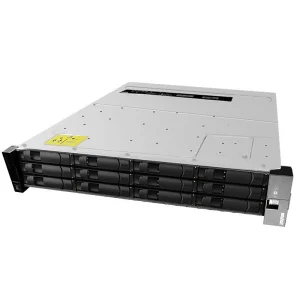
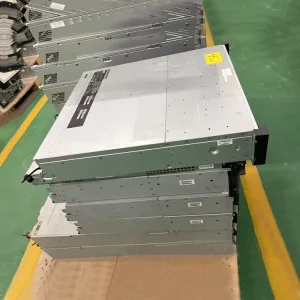
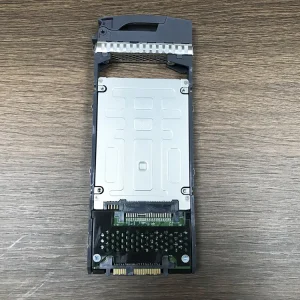
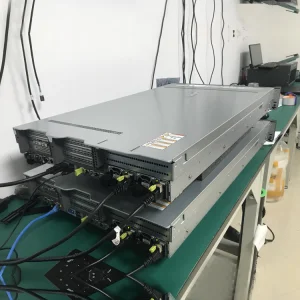
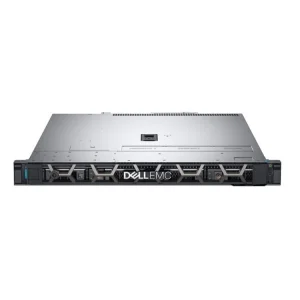
In an era dominated by distributed microservices, big data pipelines, and intense computational AI networks, the architectural blueprint of enterprise storage has moved far beyond simple passive media arrays. Current operations mandate multi-tiered systems that guarantee minimal latency, high-density disk allocation, failproof redundancy protocols, and extensive hybrid connectivity options. At the forefront of this industrial design matrix is Lenovo's highly acclaimed storage lineup—principally the ThinkSystem DE and DM Series.
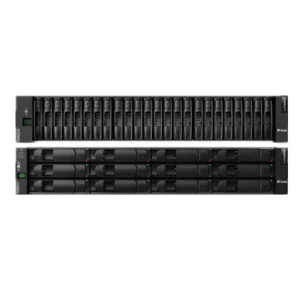
These high-performing storage arrays (incorporating models like the DE2000H, DE4000H, DE6000H, and the hybrid/flash arrays represented by DM5000F) represent the peak of enterprise SAN/NAS performance. Engineered to support up to 2U12 and 2U24 drive bay densities, these servers permit physical storage consolidation without compromising execution velocity. The integration of Dual Control units with up to 16GB or 32GB system cache configurations safeguards transactional integrity and operational continuity.
For deployment in regional cloud platforms, research labs, or mid-to-large business data clusters, Lenovo storage systems offer configurable network connectivity (including SAS, Fibre Channel, and iSCSI). By combining modular expandability with integrated disaster recovery capabilities, exporters ensure that end consumers receive arrays that seamlessly merge into existing virtualization fabrics.
Our verified operations represent reliability, expert engineering, and rigorous international quality compliance.
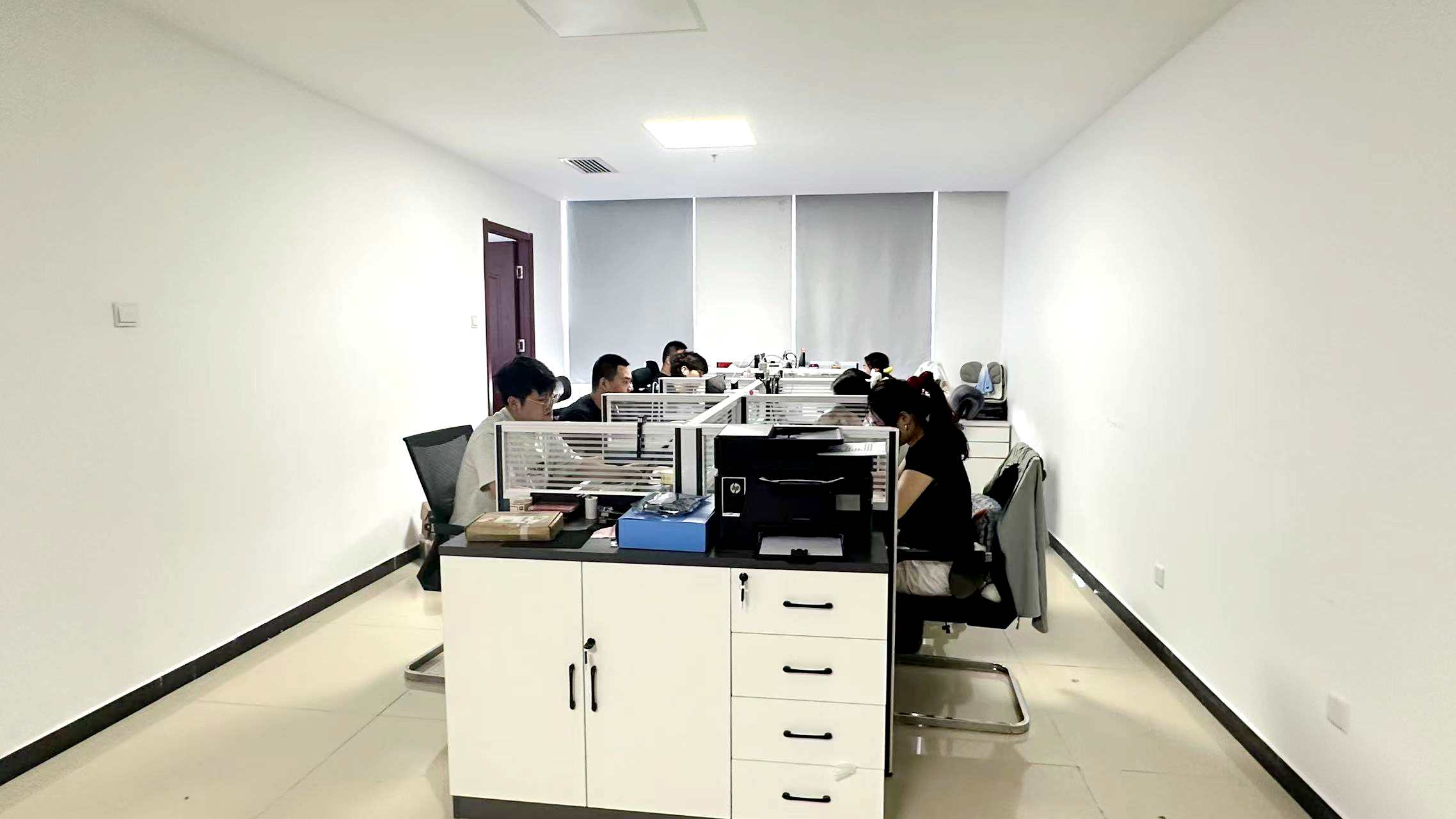
Established on August 27, 2021, our storage server export infrastructure operates out of a optimized facility designed for final quality checks, system flashing, configuration verification, and heavy packaging. We maintain a zero-tolerance policy for hardware defects: 100% of all outgoing storage servers, processors, and network interface cards undergo manual and automated loop diagnostics.
Under the supervision of our dedicated QA/QC inspector, we coordinate export projects for international brands, wholesalers, infrastructure engineers, and regional systems integrators. With four years of industry expertise, our primary target destinations encompass Eastern Europe (accounting for 20% of total export trade volumes), North America (10%), and the Domestic Market (15%), servicing both custom commercial operations and highly specific retail setups.
The manufacturing ecosystem of China plays a central role in stabilizing the global server supply chain. The logistical proximity of chip foundries, PCB fabricators, power supply manufacturers, and precision chassis toolmakers yields a dense production loop. This ecosystem cuts component lead times by up to 60% compared to Western assembly sites.
For enterprise storage servers, this optimization translates into direct cost benefits and rapid customization options. When an enterprise requests specific rack arrays—such as customized tower computer layouts or bespoke dual-control units—Chinese factories draw from massive, on-demand component inventories. This capability enables rapid modifications, assembly, and deployment.
Local components, mechanical drives, and chip packaging are sourced in real-time, reducing lead time significantly.
We trace raw materials and conduct full system burn-in tests to guarantee 100% operational uptime.
From custom chassis designs to firmware configurations and custom server branding, we cater to distinct client requests.
Furthermore, our proximity to global shipping hubs like Shenzhen, Guangzhou, Shanghai, and Hong Kong allows us to secure reliable freight pathways. Whether coordinating sea freight for bulk rack systems or expedited air shipments for vital SAS solid-state drives, we maintain high logistic efficiency and complete traceability.
The integration of AI technologies, including the DeepSeek R1 AI model and large-scale language systems like ChatGPT, has shifted CPU/GPU demands. Modern AI workloads require high compute density and ultra-low storage latency. Modern storage platforms must handle intense parallel processing tasks while feeding pipelines to multi-GPU systems.
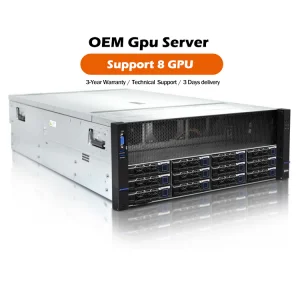
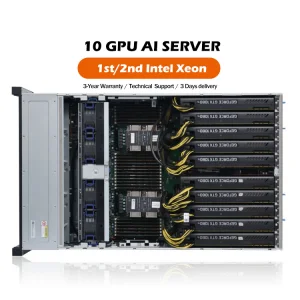
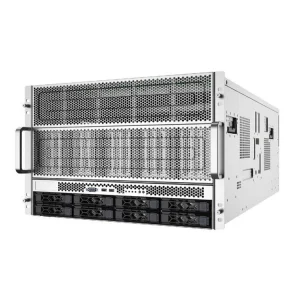
This shift has increased reliance on custom rack units, liquid cooling options, and specialized servers. System configurations featuring liquid-cooled, multi-GPU systems—such as 4U and 7U frames hosting up to 8 to 10 GPUs paired with AMD EPYC or Intel Xeon processors—enable complex AI inference workloads. The hardware must sustain continuous write and read pipelines, demanding SSDs with high durability ratings.
Our inventory accommodates this demand by offering brand new, high-write-endurance solid-state drives (e.g., PX05SRB series 1.92TB 12Gb/s SAS SSDs) alongside high-speed network interfaces. The result is a balanced, high-bandwidth environment that prevents hardware bottlenecks during training or inference.
| Infrastructure Feature | Standard Storage Configurations | AI & Deep Learning Configurations (DeepSeek Optimized) |
|---|---|---|
| Main Processing Unit | Single/Dual Intel Xeon (Silver/Gold) | Dual AMD EPYC / High-Core Xeon + Liquid Cooling Modules |
| GPU Support | Integrated or Basic Expansion Slots | 8x to 10x NVIDIA GPU Sockets (4U/7U Server Rack designs) |
| Storage Connectivity | 6Gb/s SAS, standard SSD / HDD Tiering | 12Gb/s SAS SSDs, NVMe Storage Protocols |
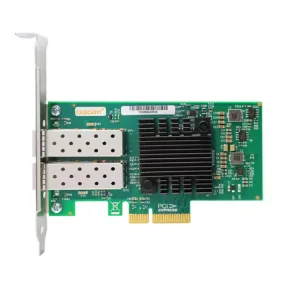
| Network Bandwidth | 1GbE / 10GbE Network Adapter Cards | 25GbE / 100GbE Ultra-low Latency Interfaces (Intel X710) |
| Cooling System | Air cooling via standard fan modules | Liquid cooling blocks & high-volume thermal fans |
Infrastructure needs vary depending on industry sector, deployment scale, and geographic constraints. By engineering customized, modular server configurations, we support a range of practical deployment scenarios:
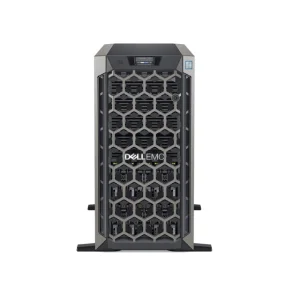
Branch locations often lack dedicated, climate-controlled server rooms. For these deployments, tower configurations (like the PowerEdge T640 or customized 4U units) offer quiet operation and a compact footprint. These systems serve as local data stores, print servers, and virtualization hosts, providing dual-control reliability without requiring extensive data center infrastructure.
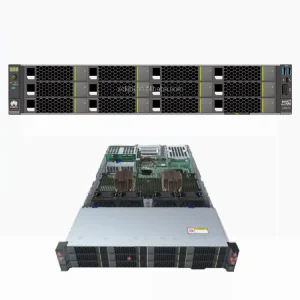
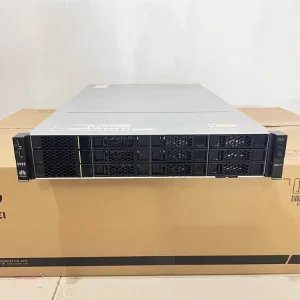
In major data centers, space and energy efficiency are key. Utilizing 1U and 2U options (e.g., PowerEdge R640, Lenovo ThinkSystem DE series, and Huawei FusionServer 2288H lines) maximizes storage density. Combined with 2.5-inch and 3.5-inch drive bay options, these rack servers form the backbone of private cloud platforms.
For financial services, public sector groups, and R&D centers, physical security and fire protection are critical. Integrating fireproof cabinet enclosures ensures operational security, protecting critical data drives from physical damage, thermal events, and unauthorized access.
B2B buyers—whether purchasing on behalf of enterprise brands, engineering systems, wholesale operations, or local manufacturing facilities—evaluate vendor relationships using strict quality and logistical parameters.
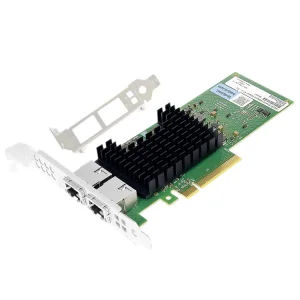
Our operational model addresses these core expectations. We manage the sourcing process from initial validation of components through final product deployment. This includes configuring hard drives and testing network adapters (such as the Intel X710 and I350 cards). We match every system component to the specific performance profile requested. This process ensures the hardware integrates directly into existing networks without configuration issues or driver errors.
Expert technical insights to assist you with procurement and deployment planning.
These systems scale to match different performance requirements. The DE2000H serves as an entry-level solution for small-to-medium operations, managing moderate IOPS. The DE4000H delivers higher cache capabilities and connectivity options to support virtualization and database environments. The DE6000H is built for high-throughput enterprise workloads, utilizing dual controllers and rich configurations to support demanding analytics and high-volume transaction processing.
Dual controllers run in active-active or active-passive modes to protect against hardware failures. If one controller fails, the secondary unit assumes the workload immediately, preventing system downtime and ensuring uninterrupted access to stored data.
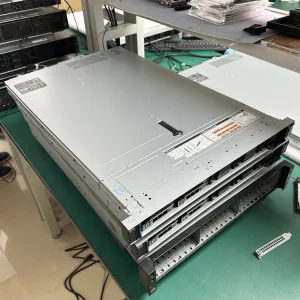
Every storage system undergoes a multi-phase quality check. This includes physical inspection of the chassis, components, and cabling, followed by memory diagnostics, storage loop tests, firmware validation, and simulated load testing to verify system stability under thermal stress.
Yes. These systems can be configured as high-speed nodes within an AI storage architecture. By using high-performance network adapters (like 25GbE cards) and NVMe/SAS solid-state storage, they deliver the high data throughput required to feed multi-GPU units during training and inference tasks.
We partner with reliable global freight carriers to manage road, air, and ocean shipping. We handle export documentation, customs clearance compliance, and secure protective packaging to ensure components arrive safely and ready for deployment.
Next-generation hardware platforms, GPU servers, and high-speed network interfaces for modern data centers.
 Vertex AI Server