High-performance computational builds configured for high uptime, virtualization, and distributed AI operations.
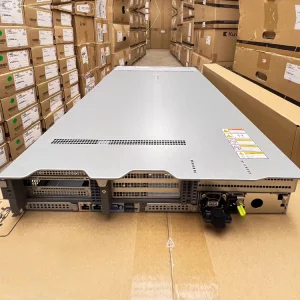
A comprehensive engineering perspective on computing efficiency, thermal dissipation design, and security layers for hybrid environments.
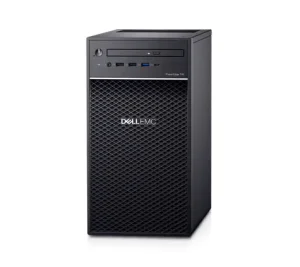
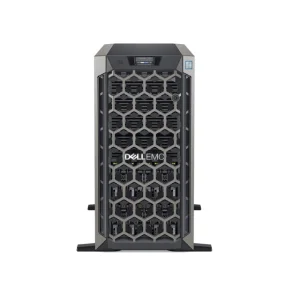
Historically categorized as basic file-and-print boxes for small offices, modern Dell Tower Servers (such as the PowerEdge T640 and T140 configurations) have transitioned into complex, software-defined engines powering high-density data analytics, edge AI computation, and centralized hybrid architectures. As containerized microservices and Kubernetes orchestrations push deeper into localized edge networks—such as smart factory floors, distributed logistics hubs, and clinics—the need for high-performance compute that does not require specialized, soundproof rack-cooling space has escalated exponentially.
Unlike standard rack servers, which demand dedicated server rooms with heavy climate control and high acoustic tolerances, the modular Dell PowerEdge Tower chassis offers an optimized blend of physical layout flexibility and massive interior expansion. These properties make it highly resilient for remote and branch offices (RoBo). This structural configuration permits organizations to run extensive localized virtualization layers, massive databases, and modern ERP software with minimal infrastructure footprint, ensuring business continuity with enterprise-grade component redundancy.
The operational longevity of a tower server is directly linked to its thermal dynamics. Under heavy continuous computational loads—such as real-time database transactions or machine learning calculations—internal temperatures can rise rapidly, threatening to trigger thermal throttling. Industry-leading Dell Tower architectures solve this by utilizing Multi-Vector Cooling (MVC) paths. MVC dynamically directs airflow across primary heating components based on real-time feedback from built-in thermal sensors located throughout the chassis.
Furthermore, because these systems are frequently positioned in workspaces occupied by personnel, sound attenuation is a key metric. Engineers utilize advanced fan-blade geometries and acoustic baffles that minimize turbulence and direct air efficiently through low-impedance paths. This allows the system to remain whisper-quiet under normal workflows, scaling up its cooling profile only under peak computing cycles. By combining smart variable-speed pulse-width modulation (PWM) fans with large passive heatsinks, Dell tower chassis preserve optimal mean time between failures (MTBF) on vital system units, including the processor sockets and high-frequency memory tracks.
"Thermal profiling and acoustics represent a vital axis of differentiation for tower systems. Modern edge installations require configurations that provide server-grade reliability under continuous duty cycles without generating excessive noise or heat footprint within common enterprise spaces."
From an architectural standpoint, remote manageability and hardware security are non-negotiable for enterprise networks. Integration of the iDRAC 9 (Integrated Dell Remote Access Controller) provides system administrators with agent-free, out-of-band control. This silicon-level management module operates independently of the host operating system, offering comprehensive telemetry, remote power cycle capabilities, OS-deployment mechanics, and firmware update schedules via a secure web console or command-line interface.
Furthermore, the security layers built into modern tower configurations establish a true Silicon Root of Trust. Every step of the boot process—from UEFI execution to operating system initialization—is cryptographically verified against a secure digital signature burned directly into the physical motherboard silicon during manufacturing. This process prevents rootkits, firmware manipulation, and unauthorized system access, forming a secure baseline for enterprises operating in industries with stringent compliance frameworks like HIPAA, GDPR, and PCI-DSS.
Exploring the critical engineering characteristics that separate enterprise-grade hardware from consumer or low-end components.
Features high memory capacity up to 3TB RAM, extensive PCIe Gen 4/5 expansion slots, and multi-socket CPU configurations designed to scale workloads seamlessly as demand grows.
Silicon-level validation with cryptographically signed firmware, secure boot controls, and system lockdown protection to neutralize hardware-level cyber threats.
Complete remote management independent of the OS. Monitor hardware health, configure system variables, and deploy code from a single, unified operations dashboard.
Providing transparency and trust (E-E-A-T) through verified factory stats, intensive testing regimes, and global logistics execution.
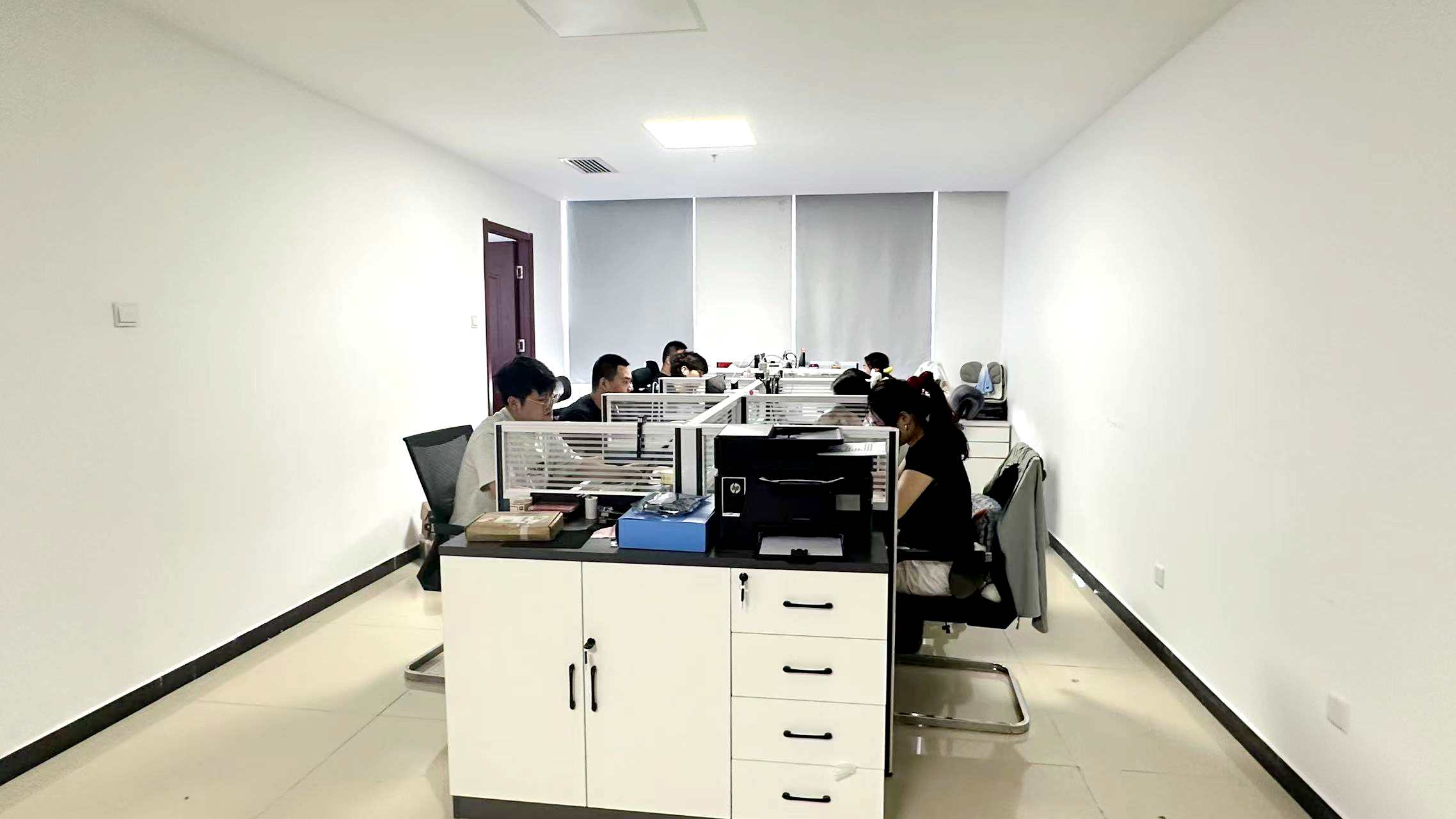
As a specialized supplier of enterprise server technology, our manufacturing partner utilizes cleanrooms and precise burn-in rooms to test computing components. Every single unit undergoes a strict QA protocol before shipment to ensure stability under heavy database and virtualization loads.
In the current macroeconomic landscape, global CIOs are optimizing their spending by re-evaluating centralized public cloud systems. The rise of hybrid cloud computing has highlighted the value of keeping sensitive workloads, high-volume files, and computing capabilities close to localized networks. This shift is driving demand for custom-configured tower servers, particularly in key markets like Eastern Europe (20% of our export focus), North America (10%), and various domestic regions (15%). By deploying local tower systems alongside public cloud resources, companies can reduce latency, eliminate egress costs, and ensure operations continue even during external network outages.
Procurement departments now prioritize E-E-A-T metrics when evaluating manufacturers. They require proof of raw material traceability to verify the authenticity of critical silicon components, storage media, and high-frequency memory modules. In an era marked by supply chain vulnerabilities, having a direct verification link for every component—from system boards to high-speed SAS drives—helps prevent counterfeit hardware from entering production environments. Additionally, our 100% inspection protocol, led by dedicated QA/QC experts, guarantees that all products undergo thorough functional testing, stress-testing, and BIOS flashing before dispatch.
Modern enterprise servers must be adaptable enough to handle a wide range of specialized industries. Our systems are engineered to support key vertical applications:
The enterprise server landscape is adapting to support high-density workloads, driven by advancements in artificial intelligence, deep learning models, and complex data processing. The upcoming generation of Dell PowerEdge Tower configurations is designed to incorporate PCIe Gen 5 and Gen 6 interfaces. These standards double the bandwidth of previous generations, enabling direct, high-speed data paths to NVMe storage arrays and high-performance GPUs.
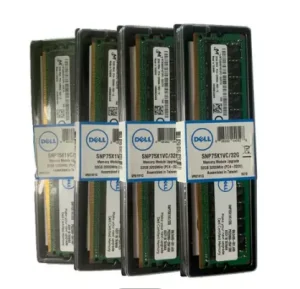
In addition, the integration of DDR5 ECC memory technologies is set to replace older DDR4 standards. This transition brings higher speeds, lower operating voltages, and built-in, on-die ECC capabilities that work alongside system-level ECC to improve reliability. As processors package more processing cores into single sockets, thermal designs are also evolving. Future systems will feature hybrid cooling options, combining optimized airflow paths with localized closed-loop liquid cooling blocks. This design allows tower form factors to support high-TDP CPUs and GPUs while maintaining low noise levels, making them suitable for office environments.
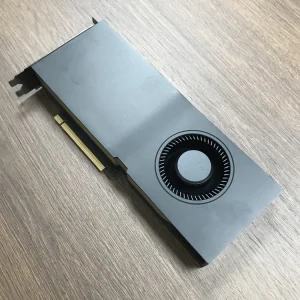
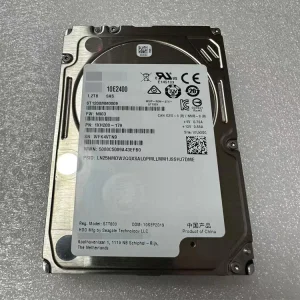
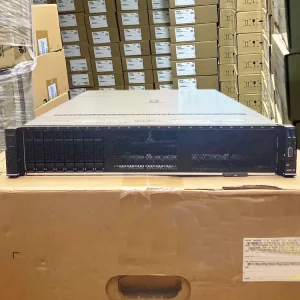
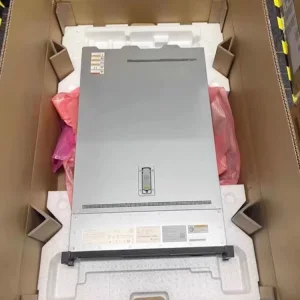
High-density systems, workstation graphic cards, and modular storage options designed to round out your data architecture.
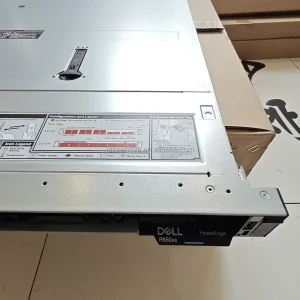
Clear, objective answers concerning engineering, deployment configurations, and global sourcing inquiries.
Dell Tower Servers (like the T640 and T140) are designed for environments that lack specialized rack hosting infrastructure. They offer quiet operation (acoustic optimization), sit directly on or beneath standard office desks, and feature modular internal spaces that support customization of components. This makes them highly suitable for edge installations, local retail offices, and branch databases.
iDRAC 9 operates on an independent, hardware-based microchip. This allows administrators to perform remote diagnostic tests, install operating systems, flash BIOS versions, and monitor power usage out-of-band, even if the primary host OS is unresponsive or crashed. This reduces the need for on-site IT personnel in remote locations.
Our quality control protocol requires a 100% inspection of every system that enters our logistics hub. We support full raw material traceability, allowing us to verify the pedigree of vital components like Intel Xeon CPUs, NVIDIA GPUs, and SAS memory drives. Each unit undergoes stress testing under mock workload conditions to verify operational stability.
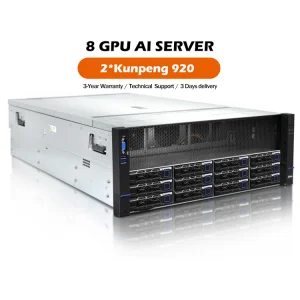
Yes. Many of our custom builds, including multi-socket configurations, feature multiple PCIe expansion slots designed to support high-performance graphic acceleration. For example, installing an NVIDIA RTX 5000 Ada GPU allows these systems to handle AI rendering, deep learning workloads, and video processing locally.
Lead times depend on the complexity of the custom layout and component availability. Because we maintain a stock of popular components, standard configurations can be configured, tested, and shipped quickly. Our main export routes cover Eastern Europe (20%), domestic channels (15%), and North America (10%), with all shipments tracked through our logistics partners.
 Vertex AI Server