Deploy enterprise-level, high-density accelerators engineered for deep learning training, massive LLM inference execution, and dynamic virtualization.
In the contemporary compute-driven era, high-density artificial intelligence (AI) servers represent the core engine of global digital transformation. The sudden shift from traditional general-purpose CPU architectures to heterogeneous GPU-accelerated computing nodes is fundamentally altering server manufacturing requirements. Hyperscalers, cloud operators, and enterprise data centers are experiencing a massive bottleneck in data throughput, thermal dissipation, and inter-GPU communication speeds.
Modern AI clusters running Large Language Models (LLMs) like LLaMA, GPT, and DeepSeek necessitate specific hardware topologies. System designers must carefully balance the distribution of PCI Express (PCIe) Gen 5 lanes, system memory speed (DDR5 vs DDR4), and direct GPU-to-GPU bandwidth via bridges. GOOXI server designs address these critical metrics by providing robust, optimized system boards that allow maximum computational efficiency under high workloads.
Analyzing the internal bus topologies, processor architectures, and hardware bottlenecks that define high-performance compute architectures.
Harnessing the power of AMD EPYC 7003 and the latest 9005 series processors enables enterprises to exploit up to 128 Zen-cores per socket. The massive PCIe lane availability (up to 128 lanes of Gen 5 per single socket CPU) guarantees that multi-GPU configurations, such as 5, 8, or 10 GPUs, can run without severe bottlenecking or multiplexing delays. This direct-to-CPU lanes layout minimizes execution latency in high-frequency data pipelines.
For applications that depend heavily on Intel-specific optimization toolkits like OpenVINO and Intel AVX-512/AMX instructions, the Dual Intel Xeon rack systems deliver stellar training acceleration. Supported by high-speed DDR5 memory buses, these configurations excel in mixed-precision floating-point operations. The integrated AI accelerators within the Xeon architecture dynamically offload classic ML tasks directly on the CPU level.
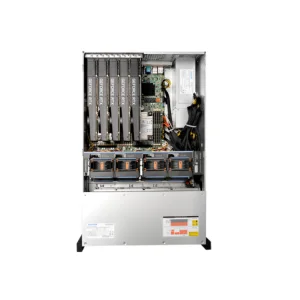
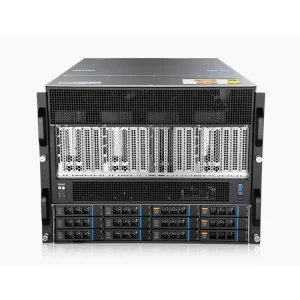
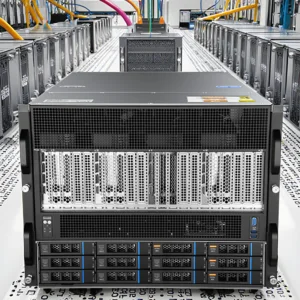
Deploying 8x to 10x double-width active-cooled or passive-cooled GPUs (such as RTX 4090, RTX 3090, or the upcoming 5090 generations) inside a 4U or 8U chassis places severe stress on thermal management and power delivery. GOOXI AI Servers resolve this by adopting segregated airflow chambers, high-volume redundant fans (N+1 configuration), and massive platinum-level redundant power supply units (PSUs) up to 3200W.
Customized architectural layouts tailored for mission-critical enterprise workloads and real-world deployment challenges.
| Application Vertical | Recommended System Spec | Primary Hardware Focus | Target Workloads |
|---|---|---|---|
| LLM Fine-Tuning & Training | 8U Intel Xeon / AMD 9005 (8 to 10 GPU Config) | DDR5 Memory Bandwidth, PCIe Gen 5 Lanes, Multi-GPU Bridge | DeepSeek-R1 running local instances, PyTorch distributed computing |
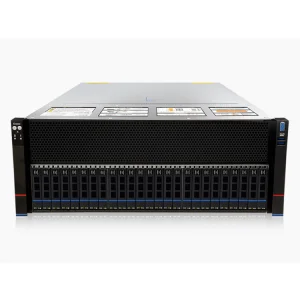
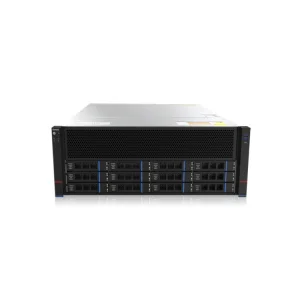
| HPC & Large Scale Databases | 4U Gooxi SR401-D24RE-G2 Dual EPYC | NVMe Storage arrays, High density DDR5 ECC Memory | Data warehousing, transactional databases, structural simulations |
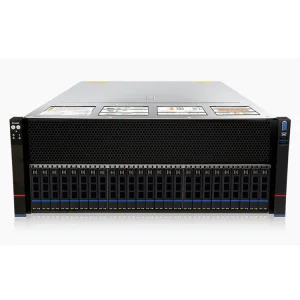
| Virtualization & Cloud Compute | 4U Gooxi ASR401-S24RE (EPYC 7003) | High Core-count per Node, VMware/KVM Hypervisors compatibility | Enterprise multi-tenant VPS hosting, secure virtual machine clustering |
| AI Video Analytics & Inference | 4U Gooxi 5 GPU AI Server | Moderate GPU count, maximum PCIe lane distribution | Multi-channel IP camera streaming, real-time computer vision inference |
Verifiable metrics demonstrating reliable industrial production, strict quality control procedures, and global export compliance.
Exporting Enterprise-Grade AI Infrastructure Globally Since 2021
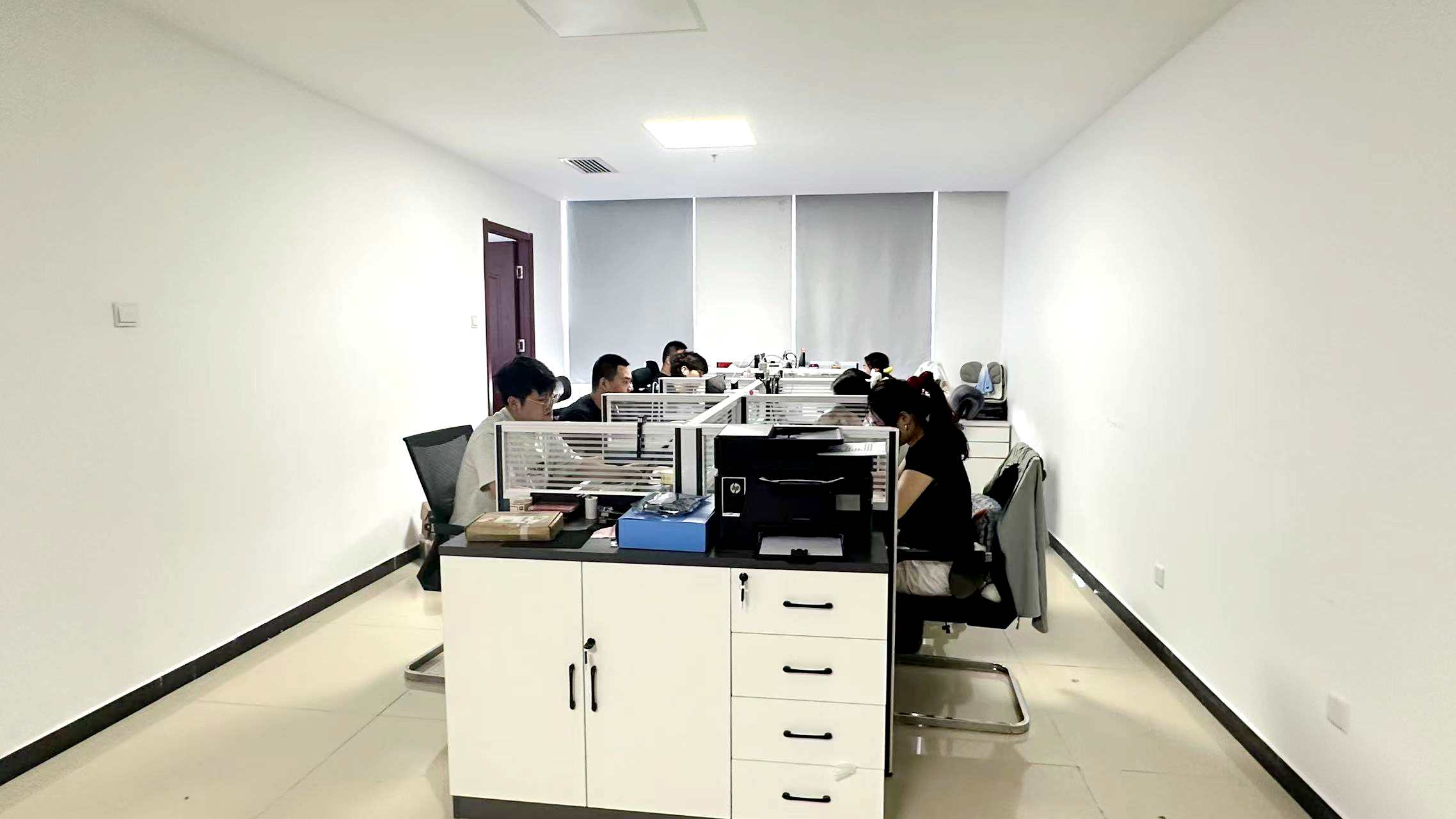
Our partner assembly facilities utilize state-of-the-art diagnostic benches to verify raw component integrity and execution stability under critical loads.
Deploying deep learning pipelines exposes systems to sustained, high-temperature computing profiles. Unlike general workloads that feature transient peaks, LLM training keeps GPUs pinned at 100% TDP (Thermal Design Power) for days or even weeks. An unoptimized server structure will lead to thermal throttling, which significantly reduces calculations per second and can damage semiconductor junctions over time.
GOOXI's chassis layout mitigates these physical limitations through structured spatial segmentation. The motherboard layer sits isolated from the GPU expansion plane, preventing hot air generated by dual-width graphics cards from warming the system memory or storage controllers. Further, hot-swappable counter-rotating fans push air through custom baffles, ensuring that even under severe operating conditions, heat dissipation remains continuous and predictable.
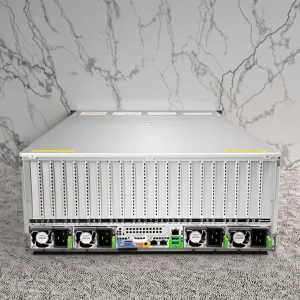
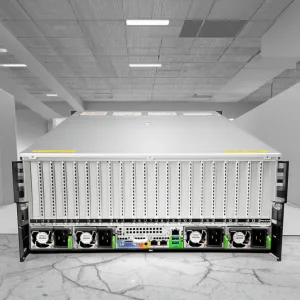
Power delivery is similarly engineered for resilience. Our 8U and 4U chassis leverage multi-phase digital VRMs combined with 80-Plus Platinum power supplies configured in 1+1 or 2+2 redundant configurations. This shields the internal computing hardware from input power line fluctuations, minimizing the risk of systemic data corruption during training checkpoints.
Every GPU rack is subjected to full post-assembly hardware diagnostics under high load conditions. 100% of finished systems undergo burn-in stress testing to discover any subtle micro-fractures in trace paths or chip packaging before delivery. This commitment to QA/QC ensures that system integrity matches the needs of global research facilities and data centers.
Through close coordination with upstream silicon manufacturers (AMD and Intel), GOOXI systems maintain compliance with standard firmware updates, secure boot specifications, and TPM 2.0 implementations, ensuring complete software compatibility with enterprise Linux builds.
Addressing common engineering inquiries regarding hardware customization, deployment topology, and thermal properties.
From 4U virtualization nodes to high-density 8U training arrays, choose the exact hardware profile optimized for your enterprise needs.
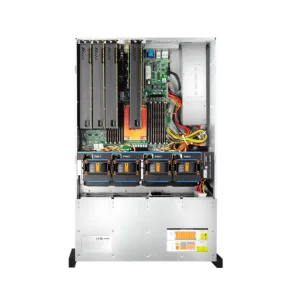
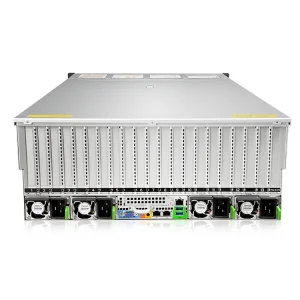
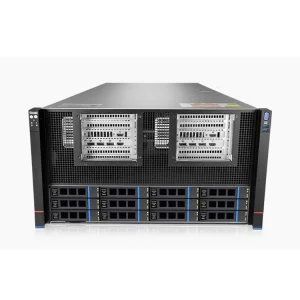
 Vertex AI Server