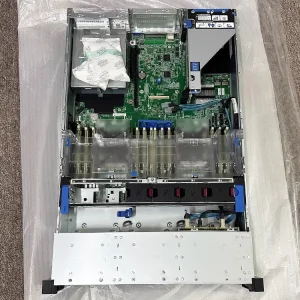
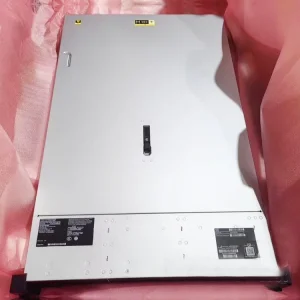
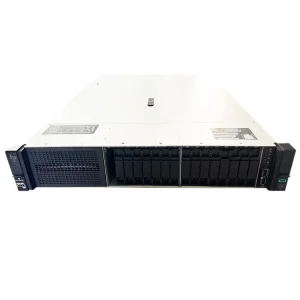
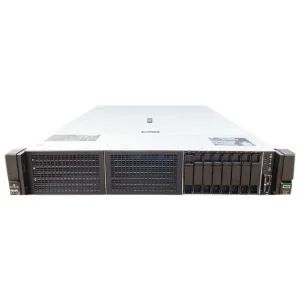
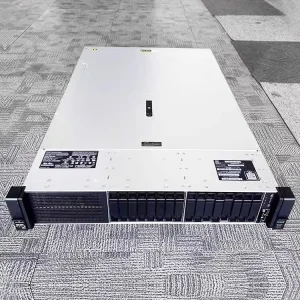
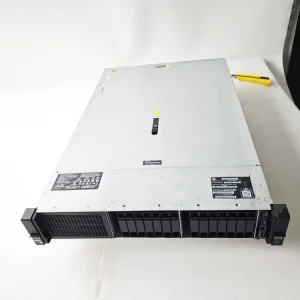
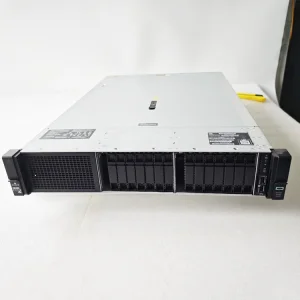
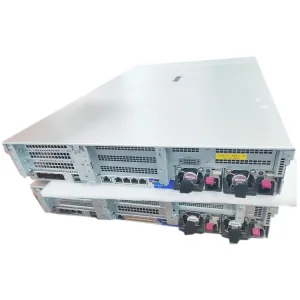
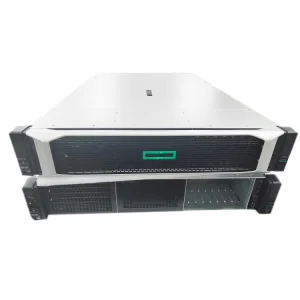
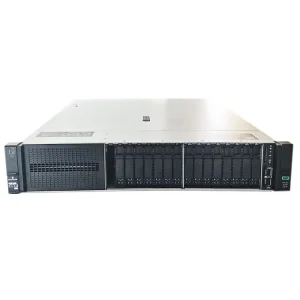
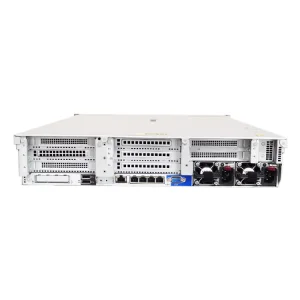
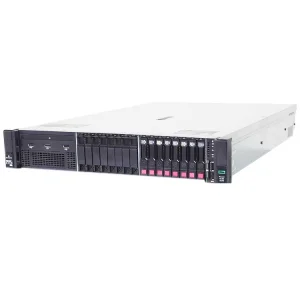
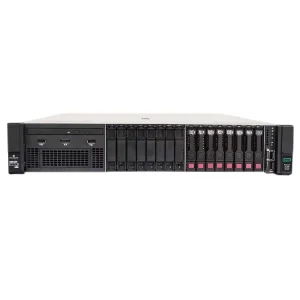
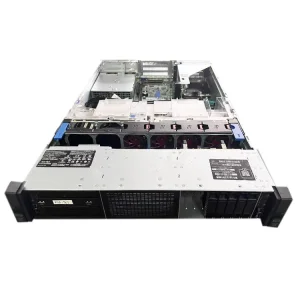
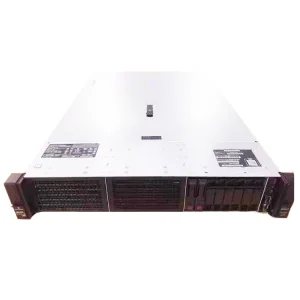
Highly customizable, dual-socket 2U servers pre-configured for complex virtualization, database storage, and low-latency local processing.
In the modern data-driven economy, geographic isolation is no longer a barrier to technological excellence. Perth, Western Australia, serves as the primary technical hub for some of the world's most demanding sectors: mining resources, offshore energy exploration, critical agricultural pipelines, and rapidly scaling regional healthcare services. Designing and sourcing compute architectures for this unique landscape demands systems that balance robust reliability, secure local deployment capabilities, and deep operational resilience.
Hewlett Packard Enterprise (HPE) platforms, particularly the standard-setting HPE ProLiant DL380 Gen10 series, stand at the center of this transformation. As organizations look to optimize performance and reduce latency, local servers are replacing high-latency cloud connections to eastern Australian states or international hubs. By placing compute resources at the physical edge—near the mines of the Pilbara or the offshore projects of the North West Shelf—organizations guarantee uptime, maintain absolute control over physical data residency, and meet tough national security standards.
The industrial architecture of Perth and broader Western Australia relies on continuous, high-performance operations. In the resources sector, mining companies use autonomous transport fleets, real-time spatial analysis, and high-frequency IoT sensors. The massive amounts of data generated at these remote operational hubs cannot easily depend on WAN links back to Perth or interstate data centers without introducing major latency risks. Local computing hubs powered by dual-socket HPE Intel Xeon servers process operations right at the site boundary, ensuring 100% operational uptime even during connectivity outages.
For Perth's metropolitan commercial sectors, including government agencies, financial institutions, and retail operations in Kewdale and Welshpool, the focus is on database security and virtualization density. The HPE ProLiant Gen10 platform, built on Intel Xeon Scalable Processors, allows IT departments to run dozens of virtual machines on a single physical unit. This consolidates hardware, reduces power consumption, and maximizes data density per rack unit in local Perth hosting spaces.
Optimized for moderate file storage, network management, and branch office operations in Perth and regional WA.
Computing demands have shifted past simple file storage. The arrival of local generative AI models, such as DeepSeek R1/V3 and local ChatGPT frameworks, has changed the server landscape. Enterprises now prefer hosting local AI models internally rather than sending confidential company data to external API calls. This is especially true for mining exploration modeling, marine seismic interpretation, and healthcare diagnostic systems in WA.
Deploying these advanced workloads on the HPE ProLiant DL380 Gen10 platform offers key operational advantages:
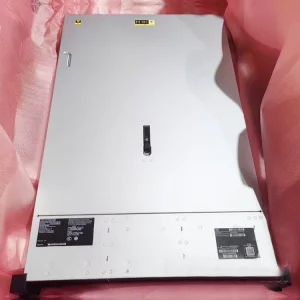
Securing enterprise hardware in Perth presents logistical challenges. The city’s isolation often means long wait times for new factory components. This has made high-quality, certified refurbished and open-box HPE servers a smart strategic choice for many local firms. These systems offer immediate availability and significant cost savings.
Choosing certified refurbished configurations helps organizations build a more resilient hardware supply chain:
First, it supports sustainability by extending the working life of systems, aligning with Western Australia’s waste reduction and circular economy initiatives. Second, it reduces long international procurement wait times down to days. This allows IT teams to rapidly scale server capacity to match sudden business expansion or new project demands.
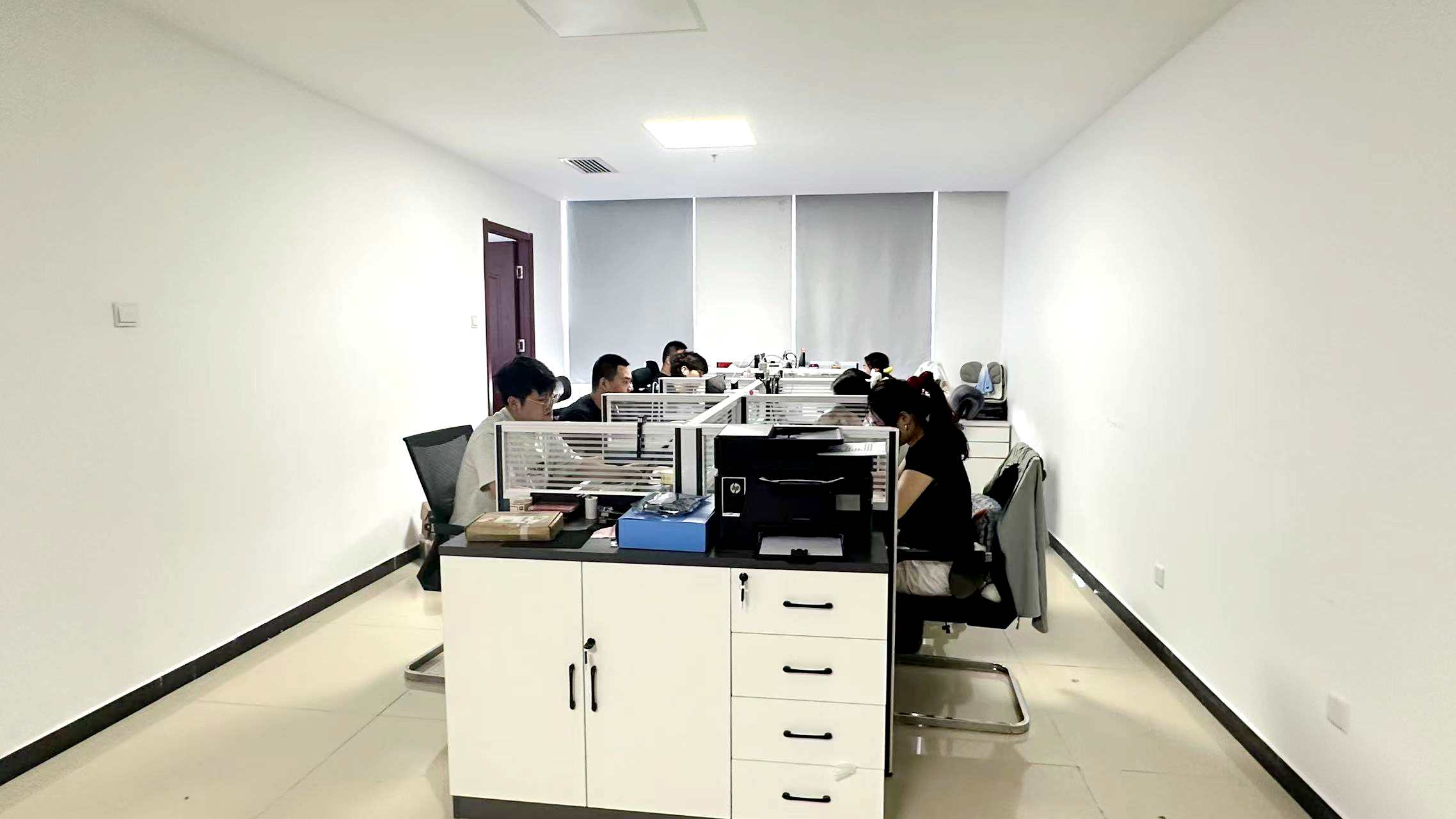
Explore our full selection of HPE servers. Every unit undergoes complete testing and includes a 3-year warranty for reliable local deployment.
Operational benchmarks, QA policies, and export capabilities supporting global enterprise supply chains.
As enterprise computing requirements continue to scale, IT directors across Western Australia must plan paths to transition from older architectures. The HPE Gen10 infrastructure serves as an ideal intermediate layer. It balances cost and high compatibility, making it a reliable choice for organizations that want to avoid the high costs of Gen11 systems while still requiring serious multi-core processing power.
Over the next five years, local organizations should plan upgrades focusing on these areas:
Get answers to common technical, logistics, and configuration questions about HPE enterprise deployments in Western Australia.
 Vertex AI Server