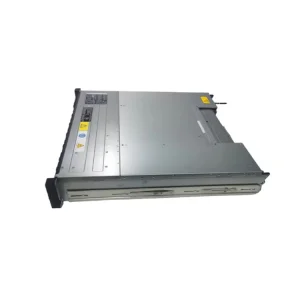
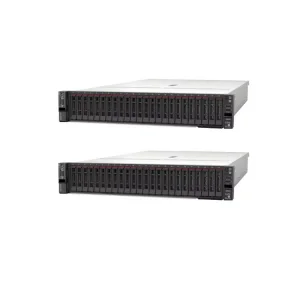
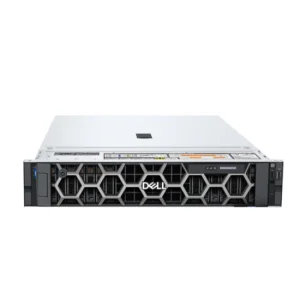
Integrate your high-speed interconnect matrices with our premium server configurations and hardware adapters.
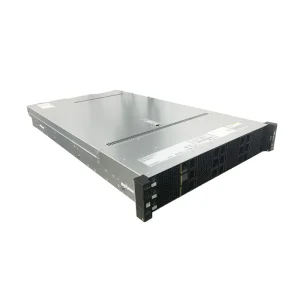
Analyzing hyper-scale computing environments, structural transitions, and infrastructure bottlenecks.
The global digital economy is undergoing a massive paradigm shift. As hyperscale cloud providers, decentralized AI computing clusters, and multi-tenant colocation centers scale up their workloads, the physical layer—specifically Custom OEM Cabling—has emerged as the vital backbone of processing systems. A single modern server rack utilizing high-density server configurations requires hundreds of point-to-point connections, operating under tight space constraints and extreme thermal conditions.
Traditional off-the-shelf cabling solutions can no longer keep up with the structural demands of high-frequency transmission protocols. Standardized cables fail to accommodate specialized chassis constraints, leading to excessive signal degradation, airflow restriction, and insertion losses. In response, global tech manufacturers are turning to custom OEM cable designs that feature precisely calculated lengths, proprietary shielding techniques, and specialized connector hoods.
The evolutionary trajectory of custom transmission lines, micro-coaxial designs, and high-frequency materials.
As transmission rates double with each PCIe generation, maintaining low insertion loss, minimal crosstalk (NEXT/FEXT), and strict impedance tolerances (e.g., 85Ω or 100Ω ± 5%) is paramount. Modern designs utilize high-purity silver-plated copper cores coupled with fluorinated ethylene propylene (FEP) insulation to ensure optimal signal integrity over extended operational distances.
Space optimization inside dense servers (like 1U/2U configurations) requires custom-engineered twinaxial cables with tight bend radiuses. Our proprietary structural layouts support up to 64 channels in a single flat-ribbon style assembly, eliminating the bulky bundles that restrict thermal performance within server rack systems.
Industrial cabling installations require strict adherence to international safety parameters. Moving towards Low Smoke Zero Halogen (LSZH) jackets and Plenum-rated (CMP) materials ensures that cabling infrastructures emit minimal toxic smoke in the event of high thermal stress or fire, satisfying stringent local building codes worldwide.
A comprehensive architectural matrix connecting high-density compute nodes with robust network storage subsystems.
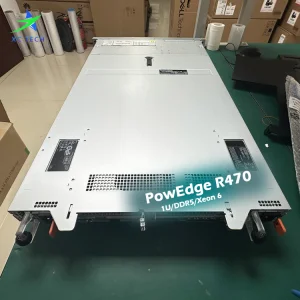
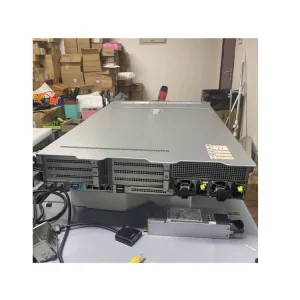
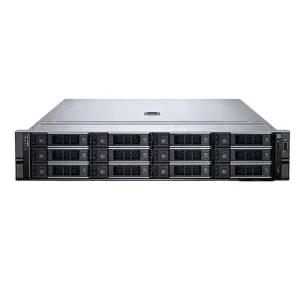
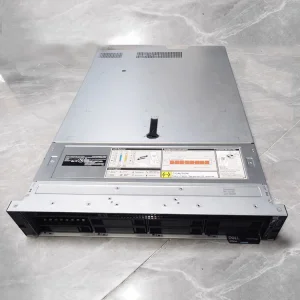
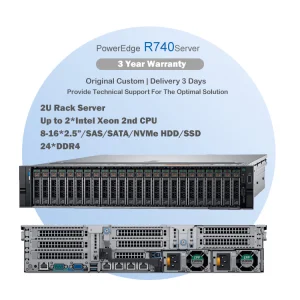
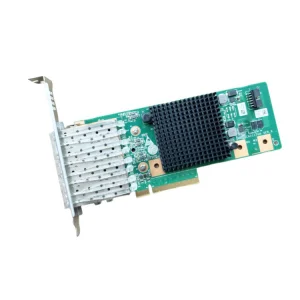
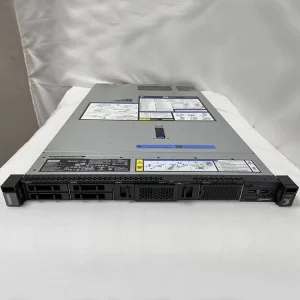
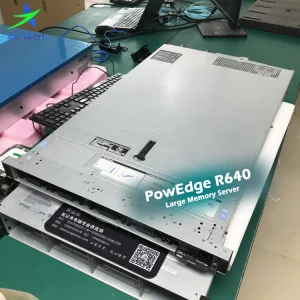
For modern datacenters, the physical infrastructure is a complex ecosystem. An enterprise server—whether it is a DeepSeek AI Server running on high-density architecture or a Dell PowerEdge rack unit—relies on seamless interconnection with peripheral modules. High-speed network adapters, such as the Intel X710 series, demand low-latency, shielded Twinax cables to operate at peak 10Gb/25Gb/100Gb rates without packet drop or excessive error rates (FEC).
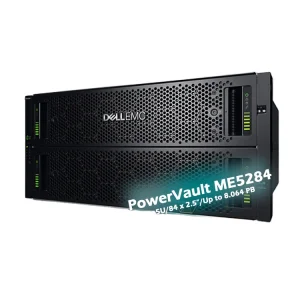
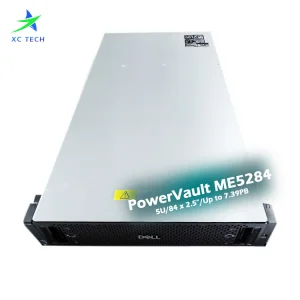
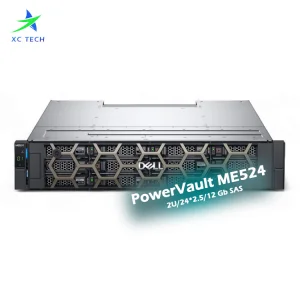
Similarly, massive network-attached storage arrays (like the PowerVault ME5 series) demand robust SAS/SATA custom cabling assemblies capable of sustaining continuous read/write bandwidth. A failure in cabling structural design can limit drive write limits, increase access latency, and lead to controller failures. Our custom-length assemblies are optimized to bypass internal mechanical blockages, guaranteeing that server components receive uninterrupted throughput and optimal airflow distribution.
Beyond standard connections, our OEM capabilities extend to custom power distribution cabling. We configure power supply links with customized heavy-gauge wiring (AWG) to support multi-kilowatt servers safely, lowering resistance losses and heat generation. By engineering custom cable bundles that combine data, power, and sideband telemetry into single consolidated runs, we reduce deployment overheads and installation complexities during massive datacenter buildouts.
This integration is crucial for system scaling. As enterprise platforms migrate to PCIe Gen 5 architectures, traditional design parameters are tested to their limits. Custom backplane cabling, high-frequency connectors, and optimized routing paths form a combined solution that enables reliable, high-density computing environments.
Adapting high-performance cabling solutions to regional regulatory and infrastructure frameworks.
Designed to comply with UL safety certifications, NFPA 70 National Electrical Code (NEC), and Telcordia GR-63-CORE. These custom OEM assemblies focus on maximizing density, supporting multi-tier overhead cable routing structures, and providing high thermal performance in enclosed spaces.
Engineered to comply with EU CPR (Construction Products Regulation) classifications, RoHS, and REACH. Emphasis is placed on using halogen-free materials and low-smoke insulation to reduce overall carbon footprints and align with eco-design initiatives.
Optimized for rapid scalability, high humidity tolerances, and localized mechanical mounting layouts. Designed to match local rack patterns and power distribution variations, these configurations ensure straightforward integration into hybrid systems.
A statistical and technical summary of our manufacturing, export metrics, and quality control systems.
Addressing engineering challenges and design choices in modern custom cabling installations.
Integrate physical cabling networks with enterprise server chassis, storage arrays, and network cards.
 Vertex AI Server