Premium OEM/ODM hardware solutions optimized for deep learning, virtualization, large model hosting, and edge database services.
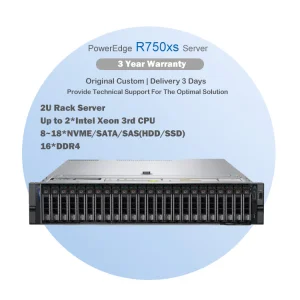
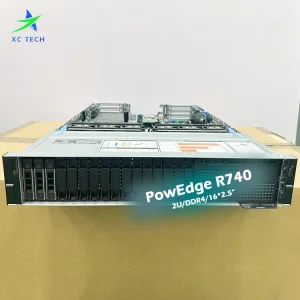
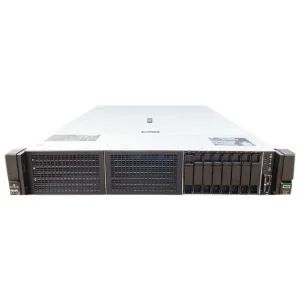
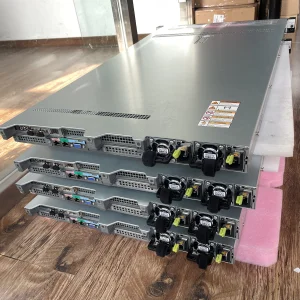
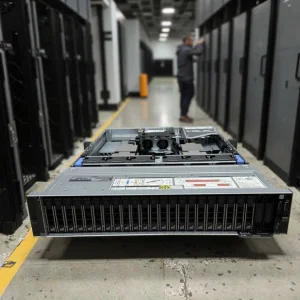
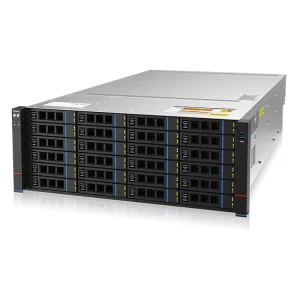
Analyzing computational transformations, architectural demands, and vendor configurations for Large Language Models and Enterprise Systems.
The global paradigm of information retrieval, computational intelligence, and database optimization has transitioned rapidly. Today, deep learning architectures such as Transformer networks, convolutional pathways, and LLMs (including open-source reasoning models like DeepSeek-R1) dictate standard infrastructure. Enterprises require compute nodes that do not merely execute logic, but handle massive parallel operations across terabytes of high-bandwidth memory (HBM) and multi-channel DDR5 interfaces.
Consequently, hardware procurement teams no longer view rack systems as commoditized containers of CPU cores. Instead, they look for integrated compute blocks that combine ultra-low latency PCIe Gen 5 fabrics, scalable storage arrays (NVMe Gen 4/5), and hardware-level isolation layers to protect tenant data. As Chinese hardware fabricators and system integrators align directly with global procurement requests, identifying verified and capable suppliers is a key operational target for CTOs and system administrators.
Modern servers are built to meet the needs of dense computing workloads, featuring multi-GPU baseboards (OAM / SXM style) and specialized server architectures. High-bandwidth communication lanes (such as NVLink or similar open standards) help bypass typical PCIe bottleneck limitations, enabling faster data sharing and processing.
As server processors exceed thermal design power (TDP) thresholds of 350W per socket, and GPUs push past 700W, cooling has become a key architectural challenge. Chinese factories are leading this transition, deploying direct-to-chip (D2C) liquid cold plates and rear-door heat exchangers (RDHx) on their assembly lines.
AI model training demands low-latency network interconnects across large clusters. High-performance servers must support PCIe Gen 5 configurations and 400Gb/s network adapters. This design ensures nodes can communicate with minimal latency, supporting real-time data syncs for complex workloads.
How modern assembly facilities and vertical supply chains optimize enterprise-level hardware manufacturing.
In hardware production, China’s industrial ecosystem has evolved beyond simple assembly services. The country now hosts fully integrated manufacturing hubs that bring component fabrication, PCB lay-up, chassis stampings, power supply unit (PSU) manufacturing, and automated quality assurance under one roof. These hubs are concentrated in regions like Shenzhen, Dongguan, and Suzhou, creating a highly responsive and resilient supply chain.
This concentration allows factories to rapidly secure raw materials and components, reducing lead times from months to weeks. Additionally, the proximity of component suppliers simplifies custom configurations, enabling manufacturers to quickly adapt server layouts to meet changing hardware requirements.
| Infrastructure Criteria | Traditional Supply Chains | China Factory 4.0 Integrated Model |
|---|---|---|
| Component Sourcing Turnaround | 4 to 8 Weeks (Cross-border dependencies) | 3 to 5 Days (Local ecosystem aggregation) |
| Material Traceability | Fragmented documentation across vendors | Comprehensive raw material tracking with digital records |
| Quality Control Testing | Batch testing (AQL standard sample inspection) | 100% full functional testing under load simulator arrays |
| Chassis & Thermal Prototyping | Requires external mechanical shop iterations | In-house CNC machining and rapid thermal simulation |
Transparent operational and supply chain metrics that demonstrate reliable export and manufacturing capabilities.
The following parameters represent verified operational capacity, compliance standards, and trade demographics.
Our trade activities focus on three primary target regions: Eastern Europe (20%), Domestic Market (15%), and North America (10%). We serve a diverse client base, including enterprise brand businesses, network engineers, technology wholesalers, hardware retailers, device manufacturers, and individual power users. This broad reach demonstrates our flexibility and ability to support multiple integration and supply chain roles.
To maintain high reliability, our quality management system relies on two main pillars: component traceability and 100% inspection. Component traceability allows us to track essential parts back to their original semiconductor fabrication sources, preventing the entry of counterfeit silicon into our assembly lines. Additionally, every system undergoes 100% inspection, ensuring it is tested under full thermal and processing loads before shipment to minimize the risk of out-of-box failures (DOA).
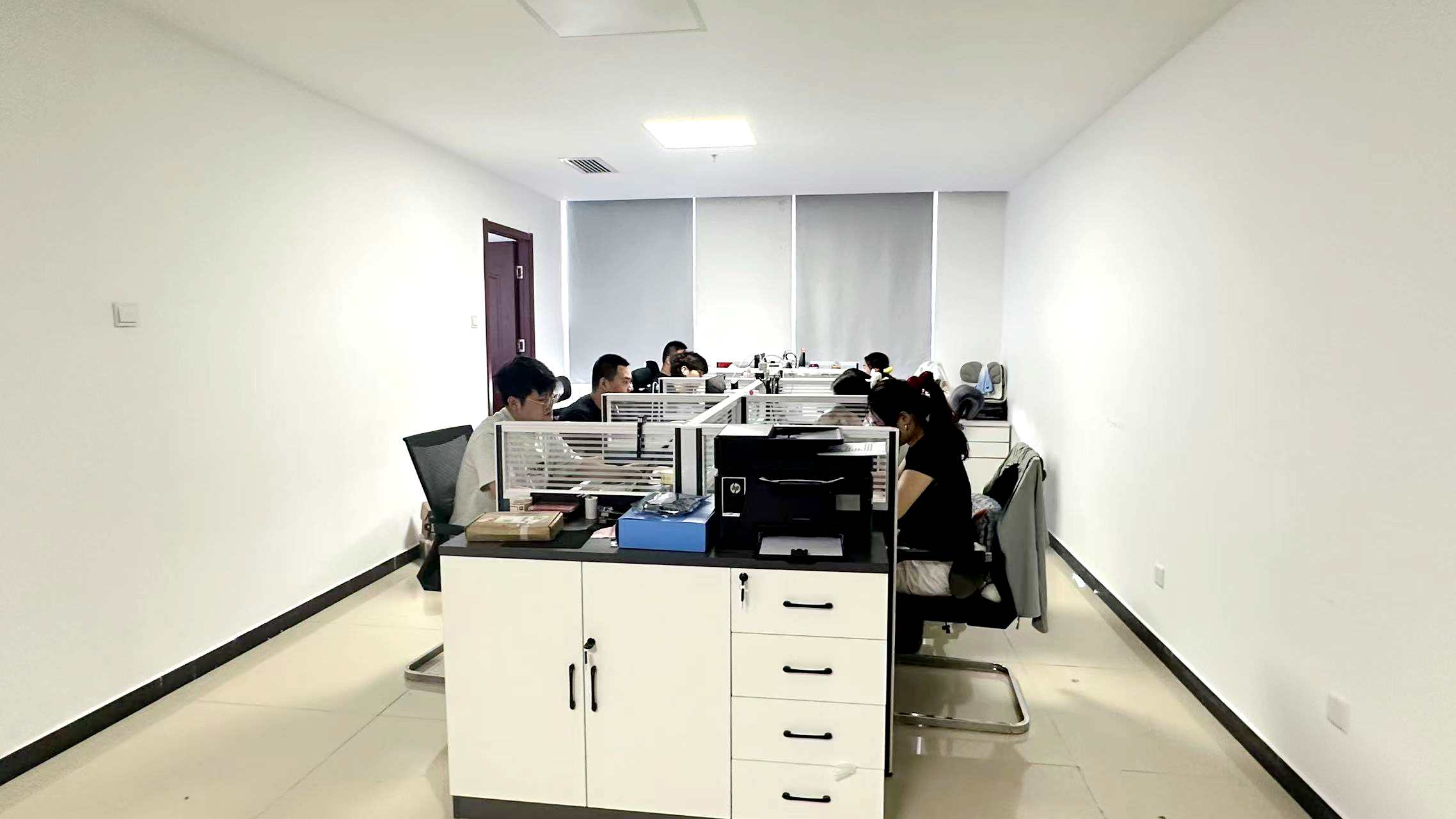
How modern enterprises deploy specialized compute systems across industries to achieve performance gains.
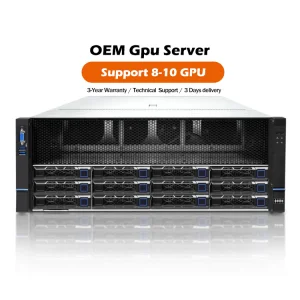
Training vision models on petabytes of real-world video feeds requires dense GPU clusters. High-performance 4U racks, configured with multi-GPU architectures, process raw sensor, LiDAR, and camera data. This setup helps build reliable, low-latency prediction systems for autonomous vehicles.
Healthcare facilities deploy dedicated rackmount servers to analyze 3D MRI and CT imaging data. These systems utilize specialized hardware acceleration to run diagnostic models, helping radiologists detect early-stage cellular changes with high accuracy.
High-frequency trading groups rely on customized dual-socket servers. With fast NVMe storage arrays and low-latency networking, these systems quickly ingest real-time market data, run trading models, and execute transactions in fractions of a millisecond.
In-depth responses to common questions about architecture, customization options, and logistics management.
Reliable computing equipment, high-density storage solutions, and replacement parts for data center maintenance.
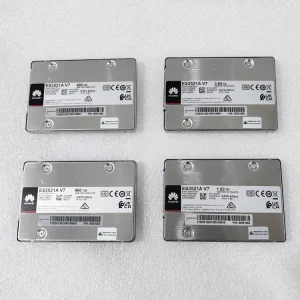
 Vertex AI Server