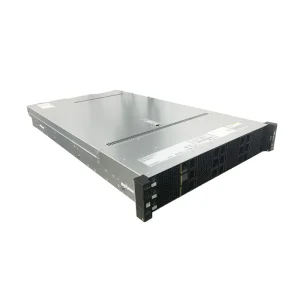
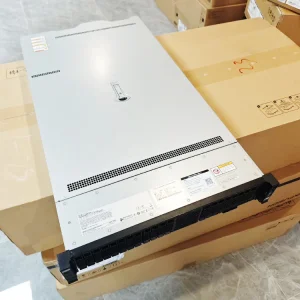
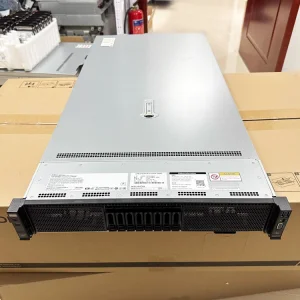
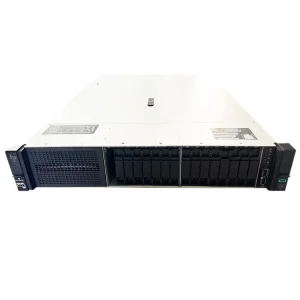
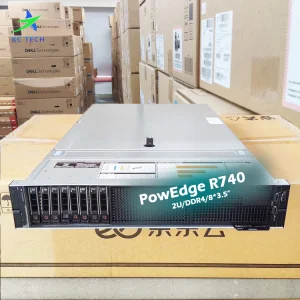
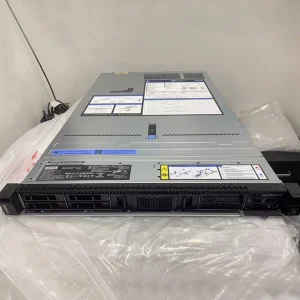
Explore our top-tier server nodes and high-density storage arrays engineered for 24/7 remote operability and seamless virtualization.
White Paper: The Convergence of Secure Out-of-Band Hardware and High-Density Remote Virtualization Nodes.
In the era of distributed enterprises, remote access has transitioned from basic software-level VPN clients to a hardware-reliant ecosystem. Modern Remote Access Infrastructure relies heavily on high-performance compute nodes, virtual desktop infrastructure (VDI), and secure out-of-band management systems (OOBM) like Dell iDRAC, HPE iLO, and xFusion iBMC. Without high-end physical hardware (such as Xeon and EPYC rack servers), the latency, capacity, and cryptographic security requirements of corporate remote operations cannot be sustained.
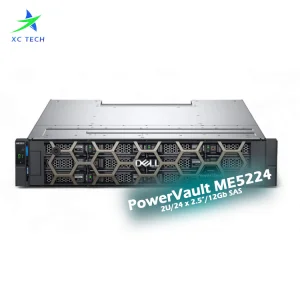
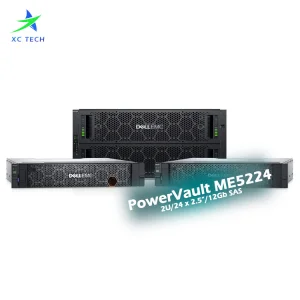
Our tailored remote access server solutions address three core technical challenges: high-concurrency VDI virtualization, secure remote API access (Redfish/IPMI), and decentralized AI model execution. By integrating industry-standard storage nodes such as the Dell PowerStore and PowerVault, enterprises can build robust private clouds where remote employees access zero-trust environments with localized latency under 5 milliseconds.
"The security of remote access is only as robust as the bare metal hosting it. Out-of-band hardware management interfaces must operate on dedicated, encrypted management networks isolated from general traffic."
The demand for enterprise remote management hardware is surging across North America, Eastern Europe, and developing industrial zones. Enterprises are increasingly looking to optimize their Total Cost of Ownership (TCO) by sourcing high-quality refurbished or customized OEM servers from China, which stands as the largest hub for electronics manufacturing and testing.
Currently, the global supply chain requires robust partners capable of maintaining consistent stockpiles of certified network storage and rack servers. As organizations move workloads to the edge, having reliable, hardware-verified nodes becomes critical for compliance with local data policies, ensuring that corporate data is securely processed locally while being accessible globally via remote management.
| Application Focus | Required Hardware Architecture | Remote Management Protocols | Target Sectors |
|---|---|---|---|
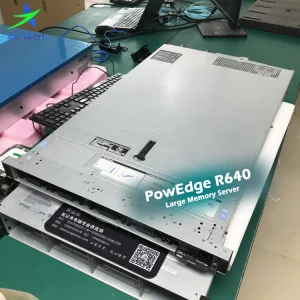
| Virtual Desktop (VDI) | Intel Xeon Gold / AMD EPYC, 256GB+ RAM | IPMI 2.0, Redfish API, HTML5 KVM | Finance, Healthcare, Government |
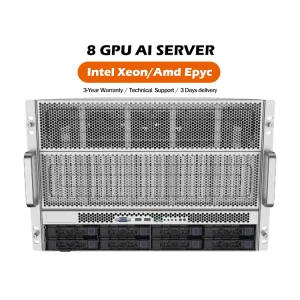
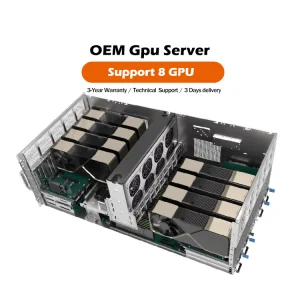
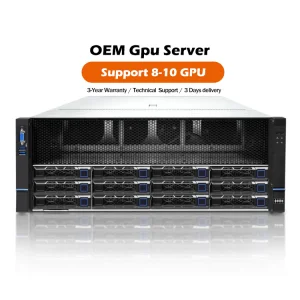
| Remote AI Inference | Multi-GPU (8*GPU 4090/3090, AMD 9005) | Dedicated iBMC / iDRAC9 Enterprise | Deep Learning R&D, GenAI Pipelines |
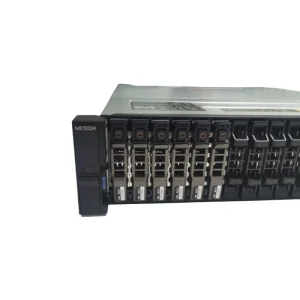
| Storage & Backup Nodes | Dell PowerVault ME5024, PowerStore 500T | REST API, SNMP v3, Direct Fiber Channel | Media Streaming, E-Commerce, Logistics |
Deploying servers internationally demands strict compliance with global security frameworks such as GDPR in Europe, HIPAA in healthcare, and NIST guidelines in North America. Our hardware configurations are vetted for:
Ensuring that the server's firmware bootloader is cryptographically signed, preventing unauthorized firmware manipulation at the remote edge.
Integration of instant Cryptographic Erasure functions within SSD storage controllers, permitting rapid secure decommission of remote nodes.
Proper CE, FCC, and RoHS certifications aligned with localized custom requirements across Eastern Europe, North America, and beyond.
As machine learning models require dynamic remote computational access, specialized 8-GPU rack servers (supporting RTX 4090/3090 and AMD EPYC architectures) have become crucial. Organizations utilize remote scheduling tools and Kubernetes pipelines to orchestrate model weights without physically interacting with the GPU hardware cluster. Our customized servers undergo 100% full-load thermal and processing stress tests prior to packaging. This mitigates hardware degradation risks at remote data facilities, ensuring uninterrupted operational uptime.
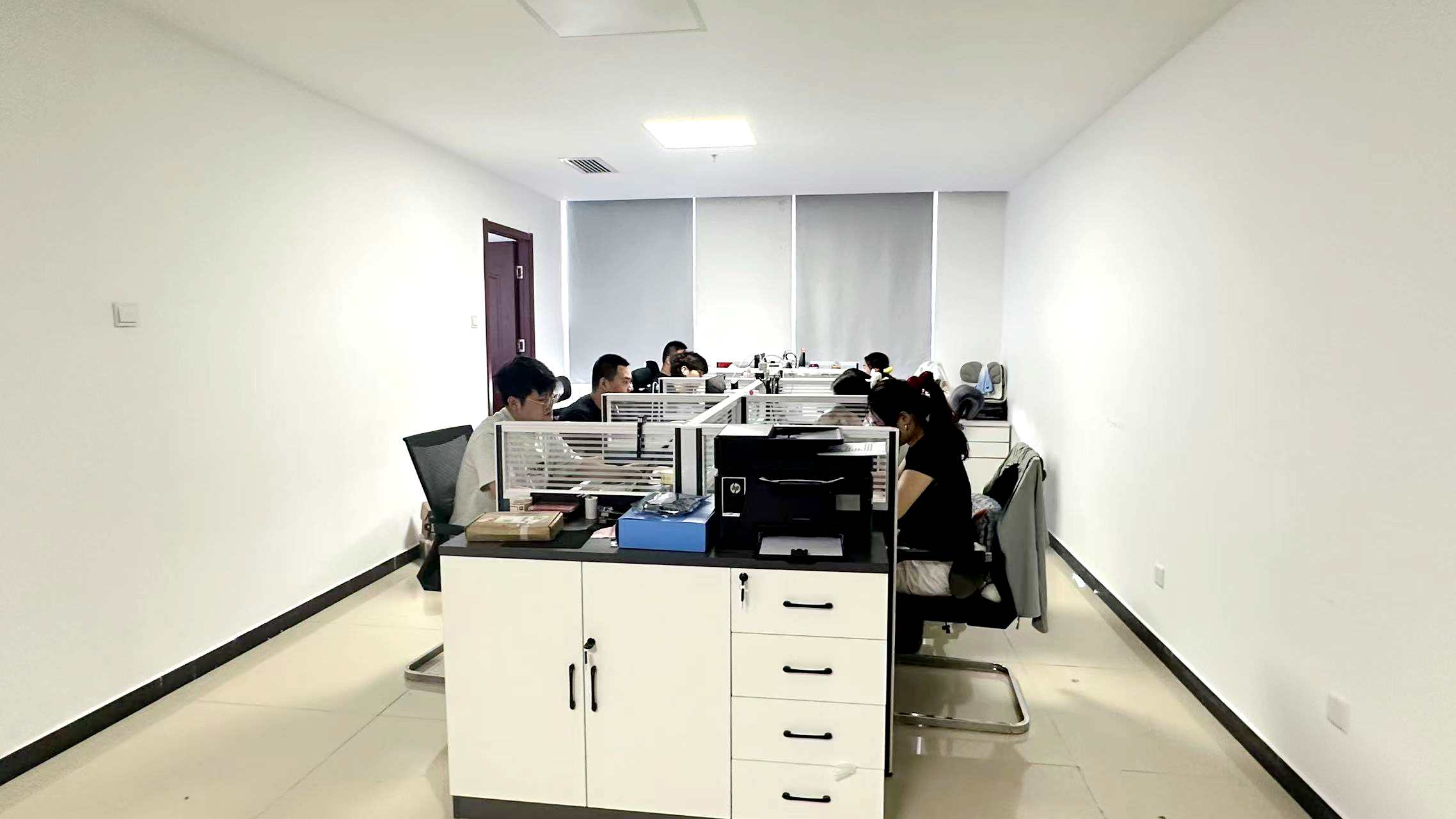
Verified transparency based on international trading operations since 2021.
Operating within an modern testing facility, our technical personnel inspect and certify raw materials and storage nodes to guarantee consistent product delivery. Our principal customer sectors span Brand Businesses, Technical Engineering projects, IT Wholesalers, and Datacenter System Integrators seeking custom firmware optimization.
The trajectory of remote servers is shifting towards automated telemetry. Next-generation systems will integrate AI-powered predictive failure analysis (PFA) to evaluate storage life, power supply health, and thermal efficiency. By utilizing Redfish APIs coupled with machine learning endpoints, remote administrators can automatically partition network traffic, dynamically shifting resources from hot servers to colder nodes without human intervention.
Explore additional high-density rack modules, virtualization arrays, and high-performance server options.
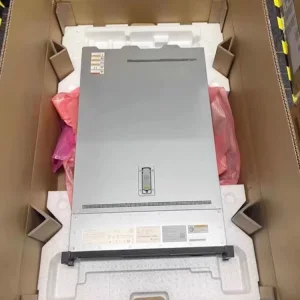
 Vertex AI Server