Explore our leading OEM/ODM rack mount servers and high-speed network storage architectures designed for hyperscale data centers.
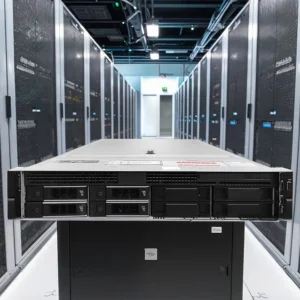
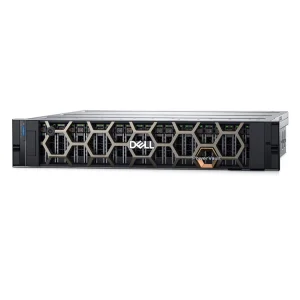
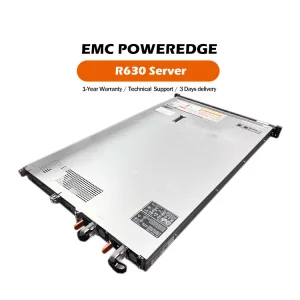
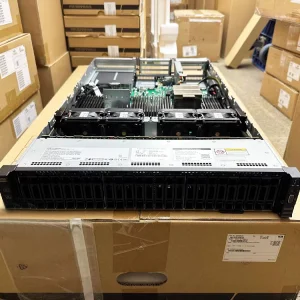
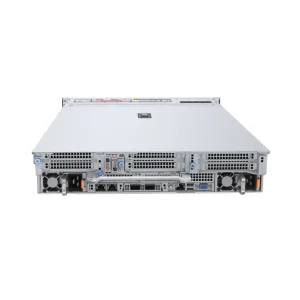
Modern enterprises operate in an environment where latency is penalized, and downtime means immediate revenue loss. High-density server platforms and high-speed network interfaces have moved from specialized supercomputing centers to the core of daily business operations. As networks scale up to support generative AI workloads, including DeepSeek and LLM calculations, the configuration of the local rack environment is more critical than ever.
OEM/ODM manufacturers of networking devices serve as the foundation of this shift. Standard configurations no longer suffice when customized high-throughput architectures are required to run machine learning pipelines. Whether it is configuring the storage controller topology on high-capacity Direct-Attached Storage (DAS) systems or integrating x86 or ARM architectural processors like Kunpeng and Feiteng CPU lines, specialized hardware engineering must align directly with the enterprise's custom software footprint.
An in-depth analysis of procurement patterns, requirements, and compliance metrics across continents.
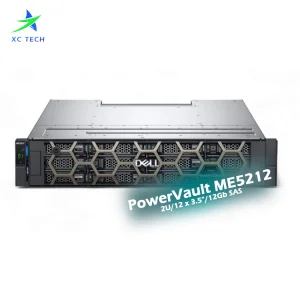
North American procurement cycles emphasize security, TCO reduction, and high efficiency ratios. Solutions like the PowerVault ME5 and PowerStore All-Flash systems are heavily deployed to replace aging, fragmented storage arrays in hybrid clouds. In this geography, compliance with UL, FCC, and strict trade regulations is mandatory.
Eastern Europe accounts for a major portion of our custom equipment export configurations (20% share). Procurement departments prioritize equipment durability, modular design, and competitive entry prices for refurbished and new server hardware. This region utilizes versatile rack platforms for localized internet services, local hosting hubs, and regional CDNs.
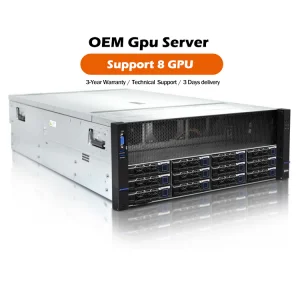
Global demand is experiencing a dramatic shift toward high-performance GPU clusters. Storage systems must sustain high sequential write and read cycles to keep up with massive GPU throughput. This makes SAS JBODs and high-capacity flash systems a core component of custom system architecture designs globally.
Understanding the architecture, virtualization layers, and next-generation storage integration.
To achieve optimal computing efficiency, hardware systems are moving away from mono-processor designs. The integration of specialized ARM processors (such as the Kunpeng 916 and Kunpeng 5280) alongside traditional Intel Xeon and AMD EPYC platforms allows cloud datacenters to segregate compute, management, and networking workflows.
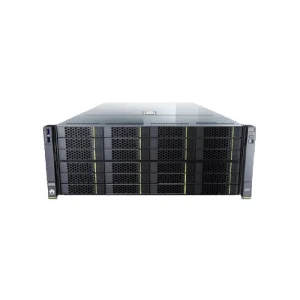
Storage tiering is a critical engineering decision for modern networks. For transactional applications, All-Flash Storage (e.g., PowerStore series) provides the necessary IOPS with sub-millisecond response times. On the other hand, multi-terabyte Direct-Attached Storage (DAS) and JBOD enclosures (e.g., PowerVault MD2412) offer cost-effective bulk storage options for large database backups, video repositories, and large-scale log analysis systems.
As CPUs and GPUs consume more power, traditional air cooling is hitting physical limits. OEM server chassis designs must accommodate liquid-to-air cooling options and dense heatsink packages. Utilizing liquid cooling technology on heavy computing nodes, such as Feiteng S5000C platforms, ensures constant performance levels and prevents thermal throttling under intense AI training routines.
Deploying hypervisors like VMware ESXi or open-source KVM setups directly onto 1U and 2U rack servers provides immediate resource abstraction. Modern systems combine compute and storage onto high-density rack configurations, allowing edge environments to host localized cloud containers and CDN services without requiring a large floor space footprint.
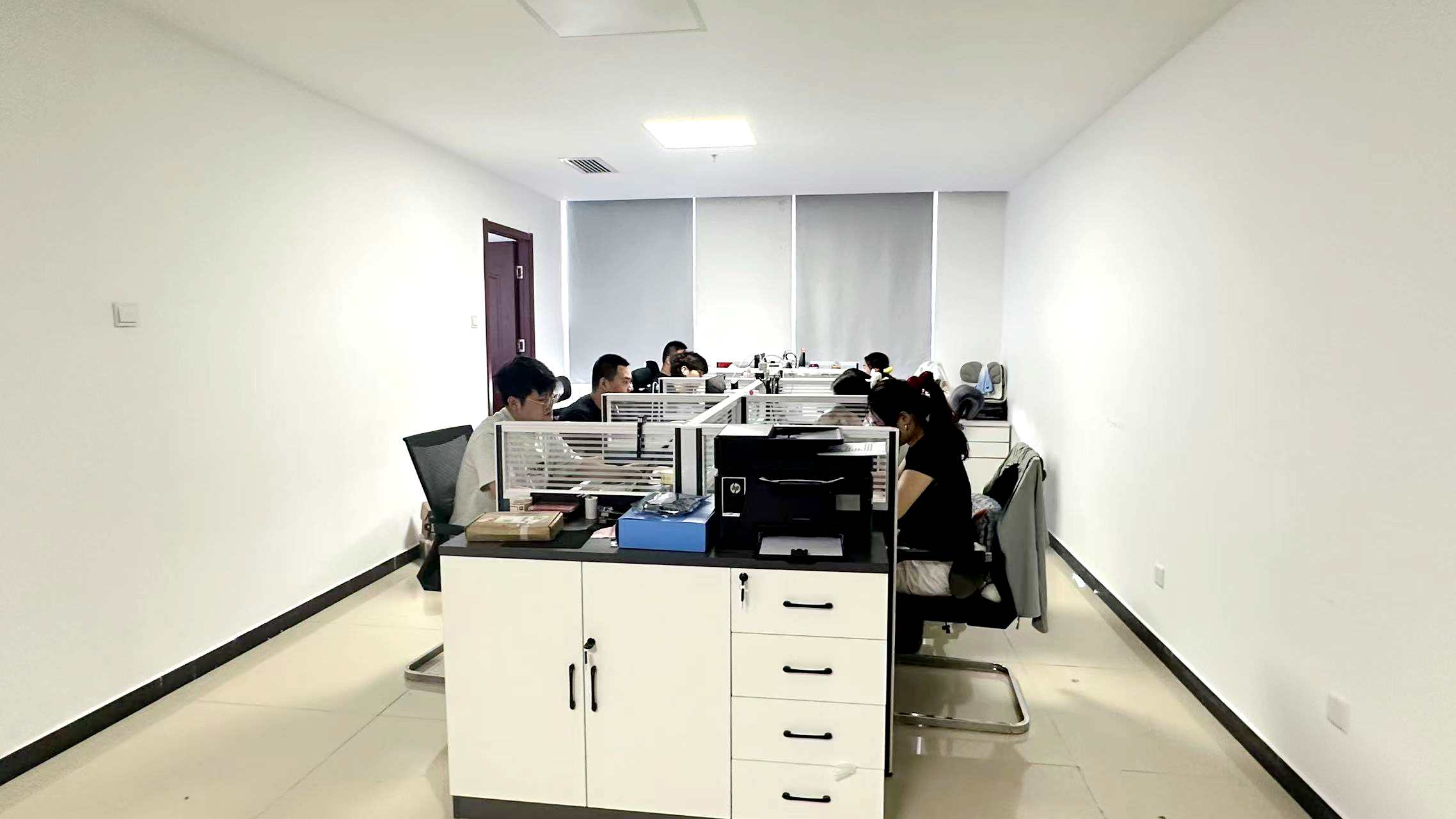
Operational stability is paramount for enterprise infrastructure. At our manufacturing facility, we implement a strict 100% full-inspection protocol. Every server, network array, and JBOD system goes through automated checking routines and thermal stress testing before packaging and shipping.
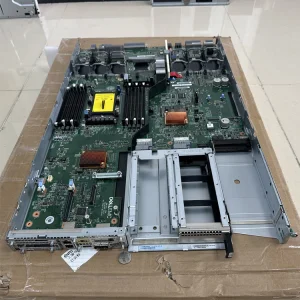
We trace every mainboard component and processing unit back to its original semiconductor source. This transparency minimizes component failures in the field and provides procurement agents with the technical verification needed for regulatory compliance.
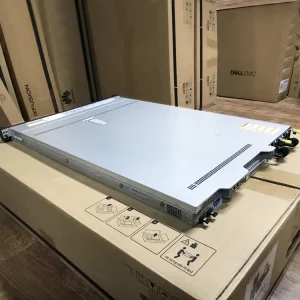
For repurposed or refurbished hardware, such as the PowerEdge R630 or R740 models, we replace high-wear elements (such as power supplies and fans) and flash system BIOS files to the latest manufacturer revisions. This helps prevent firmware conflicts when integrating the hardware into newer, existing datacenters.
Direct technical answers to common queries regarding OEM/ODM servers, storage arrays, and network integration.
Brand-new models feature the latest generation processing chips (such as AMD EPYC 9004 series or Intel 4th/5th Gen Xeon) and faster DDR5 memory layouts, making them suitable for compute-intensive tasks. Refurbished models offer a highly cost-efficient alternative for basic virtualization, local storage nodes, and CDN caching, providing reliable enterprise-grade hardware at a fraction of the cost.
Direct-Attached Storage (DAS) JBOD units connect to your head node servers using high-performance host bus adapters (HBAs) running 12G or 24G SAS protocols. This allows you to expand your storage pool without configuring complex SAN network routing, making it a reliable solution for high-density, sequential-read data pipelines.
Yes, our engineering team works with clients to customize firmware, pre-configure hardware RAID parameters, and pre-install operating systems before delivery. This helps minimize on-site setup times and ensures compatibility with your datacenter's provisioning software.
Our quality control program includes thorough component screening, high-temperature testing, and final system integration verification. We also ensure that all systems are packaged securely to prevent damage during long-distance transit.
Explore our high-density storage arrays, specialized AI computing platforms, and virtualization server systems.
 Vertex AI Server