In the era of hyper-scale data centers, artificial intelligence acceleration, and ultra-low latency computing, physical layer architecture remains the foundational anchor of overall network integrity. The patch panel—historically viewed as a static passive routing tool—has evolved into a critical hardware node that directly determines the scalability, maintenance efficiency, and signal transmission standards of the modern data cloud. This whitepaper analyzes the commercial dynamics of the global patch panel market, evaluates the leading industrial standards (including Category 6A, Cat 8, and Multi-fiber Push-On [MPO/MTP] technologies), and establishes a strict framework for evaluating high-capacity cabling component factories.
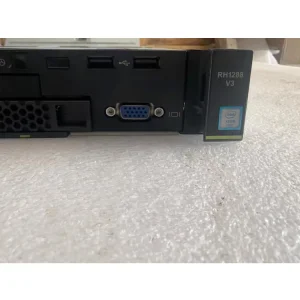
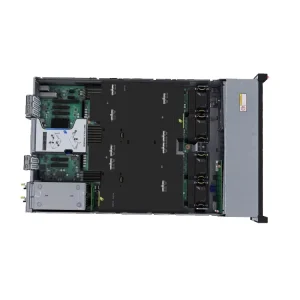
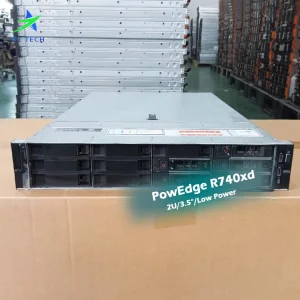
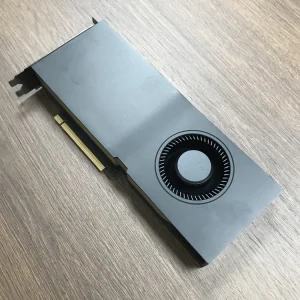
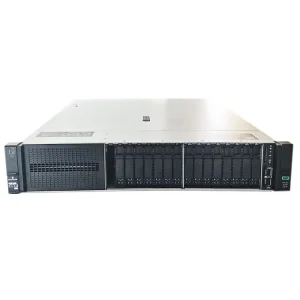
Structured cabling systems (SCS) must seamlessly link highly dense computational server arrays—such as the Dell PowerEdge, HPE ProLiant, and Huawei FusionServer rack server networks—with backbone distribution modules. Inadequate passive physical nodes create signal attenuation, high return loss, and excessive alien crosstalk. These network bottlenecks can severely throttle high-throughput processing environments, such as AI rendering clusters powered by enterprise GPUs (e.g., NVIDIA RTX 5000 Series).
The global physical layer connectivity market has transformed over the past five years. Traditional low-bandwidth copper panels are rapidly transitioning to high-density modular keystones and advanced optical distribution hubs. The expansion is driven by massive investment in hyperscale cloud locations across North America, the European Union, and rapidly developing regions in the Asia-Pacific.
Geographically, manufacturing has clustered into two distinct paradigms: specialized, high-margin, custom design facilities in Europe and North America, and ultra-high-volume, highly integrated supply chains in the Asia-Pacific (specifically China, Vietnam, and Taiwan). Leading factories leverage vertical integration, from precision plastic injection molding for keystone jack clips to high-tolerance copper stamping and gold-plating processes.
"The modern patch panel is no longer just a passive metal plate. With the integration of Automated Infrastructure Management (AIM), smart patch panels utilize RFID or patch-cord detection circuits to provide real-time connection status mapping directly to data center management software."
This shift has altered the OEM/ODM relationship. Enterprise clients no longer source standalone patch panels; instead, they require optimized ecosystems consisting of patch panels, pre-terminated trunk cables, field-termination plugs, and high-performance network interface cards (NICs). These ecosystems must operate harmoniously under challenging environmental conditions.
The progression of networking speeds from 10G to 100G, and now towards 400G and 800G, has pushed physical-layer copper components close to their physical limits, while accelerating the adoption of fiber optic networks.
Cat 6A supports 10GBASE-T up to 100 meters, serving as the standard for enterprise workspace access. Cat 8, supporting frequencies up to 2GHz for 25GBASE-T and 40GBASE-T over a 30-meter channel, is deployed within top-of-rack (ToR) to server configurations where distances are limited, offering a cost-effective alternative to short-range optical transceivers.
Optical Distribution Frames (ODF) utilize pre-terminated Multi-fiber Push-On (MPO/MTP) cassettes. A single 1U optical patch panel can accommodate up to 144 LC fiber terminations. This space-saving density is essential for managing high-bandwidth links from modular core switches to enterprise storage and compute fabrics.
Furthermore, electrostatic discharge (ESD) protection, proper grounding/earthing kits, and shielding against electromagnetic interference (EMI) have become standard requirements for high-performance copper patch panels. Shielded (STP) patch panels feature robust metal housings that shield signal paths from external noise, maintaining low error rates across high-frequency applications.
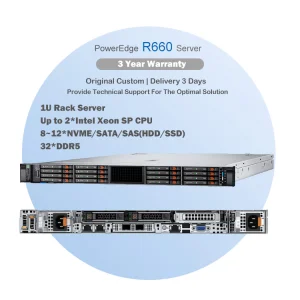
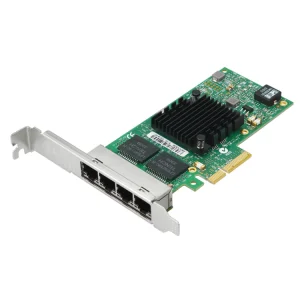
The performance of server systems depends on the quality of their network connections. When deploying high-performance processing hardware, such as the dual-socket Intel-based Lenovo ThinkSystem SR630 V3 or Dell PowerEdge R660 1U servers, network connectivity must match their processing capabilities. These server configurations often utilize multi-port 10GbE or 25GbE network interface cards (NICs), such as the Intel I350 T4, to manage high data volumes.
Without matching physical layers, data delivery can suffer. The physical layer, built on high-integrity patch panels and structured patch cords, acts as the primary gateway. A high-density patch panel bridges core network switches and the host NIC. This integration minimizes frame loss, CRC errors, and packet retransmissions at the physical layer, ensuring stable performance during demanding enterprise compute processes.
Procurement engineers and IT directors must evaluate potential OEM/ODM partners using strict technical criteria. Lower-cost products can result in higher failure rates, showing up as broken plastic clips, loose contact pins, or high return loss when analyzed with network testers.
High-quality factories use premium polycarbonate or ABS/PC blends for plastic housings to prevent degradation. Metal frames must feature cold-rolled steel with rust-resistant powder coatings. Contact pins require minimum 50-microinch gold plating to prevent oxidation and endure hundreds of insertion cycles.
Reliable manufacturing operations perform 100% component testing rather than simple batch sampling. Key electrical evaluations include insertion loss, return loss, and NEXT (Near-End Crosstalk) testing using Fluke DSX equipment. Structural tests check retention strength, cable strain relief, and durability over repeated connection cycles.
Under ISO 9001 and ISO 14001, factories must offer complete traceability for raw materials, plastic resins, and electrical components. When sourcing passive network components for deployment alongside enterprise equipment, clear QA/QC histories are critical for predicting component service life.
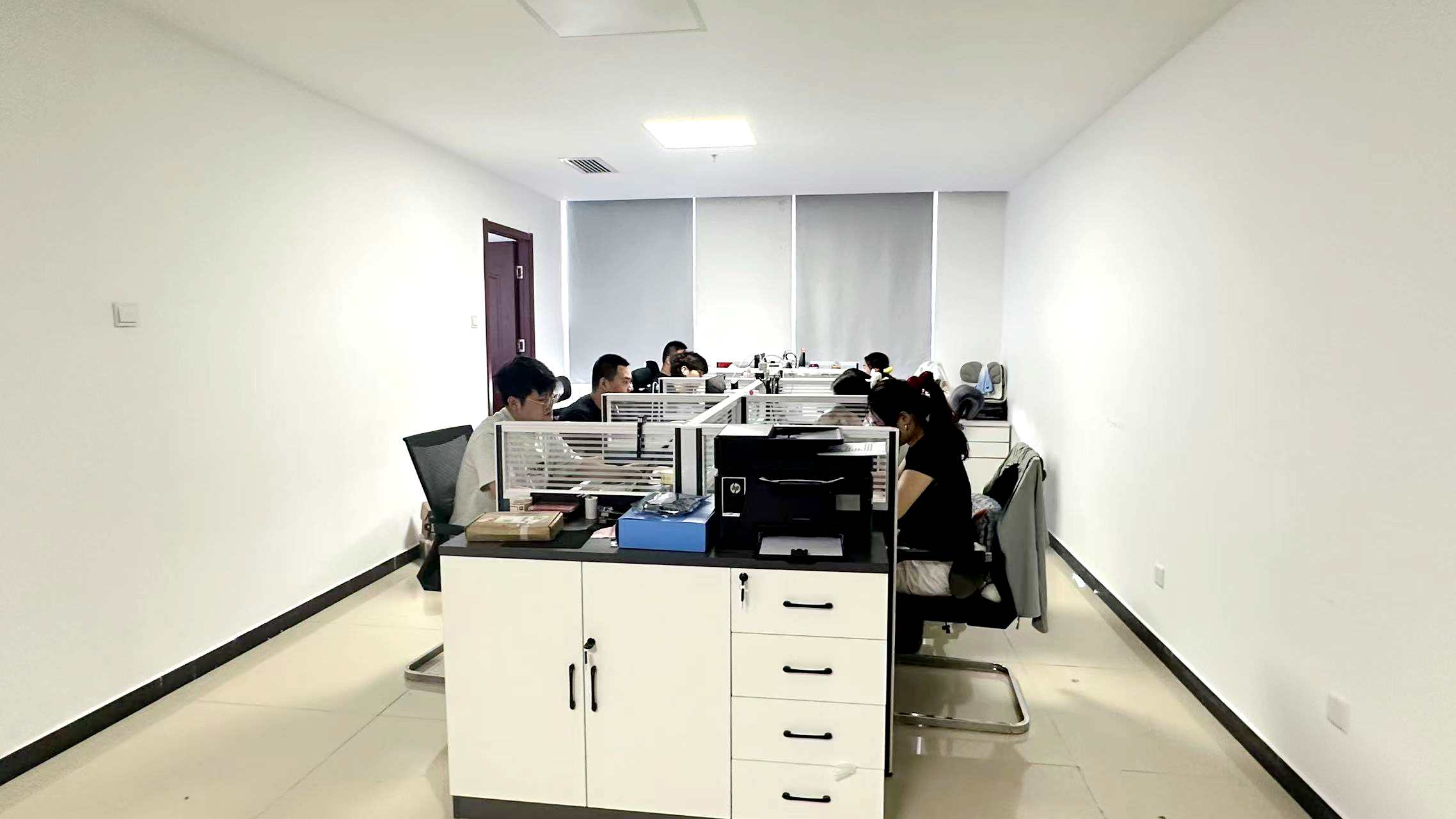
Figure: Certified physical registration document validating operational licensing and compliance.
In complex infrastructure networks, physical layouts must be planned alongside server racks, storage systems, and network switches. The design of patch panels must adapt to the requirements of the hardware they connect, including:
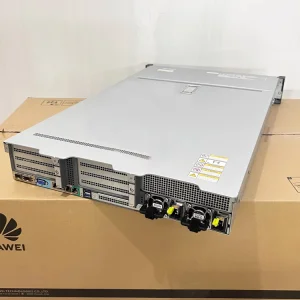
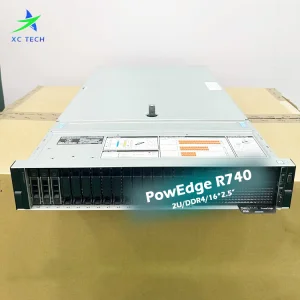
1U/2U server platforms, like the Huawei FusionServer 1288H V5, Dell PowerEdge R740, or HPE ProLiant Gen10, require organized routing systems. Angled patch panels route patch cords directly into vertical cable managers, removing the need for horizontal management panels and increasing overall cabling density.
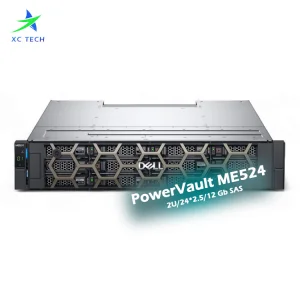
High-speed network-attached storage systems, like the PowerVault ME484 or PowerStore All-Flash arrays, require low-latency signal paths. Using high-density optical fiber panels with low-insertion-loss LC or MTP adapters helps maintain the optical budget required for high-bandwidth storage operations.
For enterprise projects, maintaining structured design standards (such as ANSI/TIA-568.0-D and ISO/IEC 11801) is essential for long-term network reliability. High-density, modular design allows technicians to replace single faulty keystone connections or modify cabling runs without shutting down nearby active nodes, helping to protect system uptime.
The future of physical-layer networking lies in automation and software-defined monitoring. As data centers scale to meet AI and high-performance computing demands, manual tracking of connection maps becomes impractical. Automated Infrastructure Management (AIM) systems integrate smart sensor arrays directly into patch panels, detecting connection changes and updating management software in real time.
At the same time, environmental sustainability is shaping manufacturing standards. Leading factories are shifting to eco-friendly production methods, including lead-free soldering processes, recycled polymers for product housings, and minimal, recyclable packaging to support corporate carbon reduction goals.
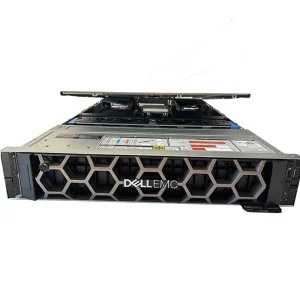
 Vertex AI Server