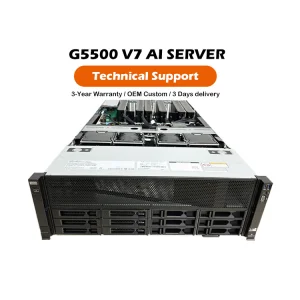
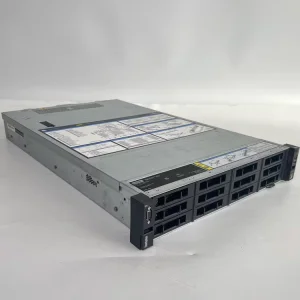
Chassis/Cabinet Manufacturers & Exporter serving the Boston market

High-Density Server Racks, AI GPU Enclosures, and Custom Sheet Metal Infrastructure Engineered for New England's Innovation Core

Send Inquiry Now

The Boston Industrial & High-Performance Computing Landscape

An in-depth whitepaper analysis on structural design, regulatory compliance, and thermal dynamics for modern server rack deployment.

1. The Digital Infrastructure Boom in New England

The Boston metropolitan area, anchored by key technology clusters in Kendall Square, Cambridge, and the Route 128 corridor, has transitioned into a premier global center for high-density computing. With the exponential rise of Artificial Intelligence (AI) training, machine learning, life science informatics, and robotics research, traditional data centers are facing unprecedented computational densities. Deploying hardware in these demanding environments requires specialized chassis, enclosures, and server cabinets engineered to handle high static loads, complex cable configurations, and complex cooling paradigms.

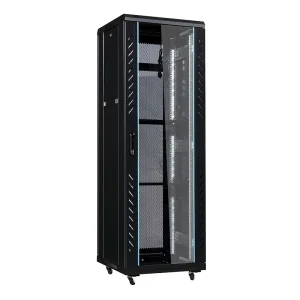
Unlike legacy IT infrastructures, modern deployments in Boston's biotech labs and research facilities require cabinets that can support more than just raw weight. They demand integrated environmental monitoring, smart security access controls, and modular airflow management systems. Our chassis and server cabinets are constructed from high-grade SPCC cold-rolled steel, ensuring that structural integrity is maintained even under the massive physical loads of multi-node GPU systems and dense storage arrays.

2. Specialized Local Application Scenarios in Boston

In New England's distinct commercial environment, several sectors drive the demand for tailored chassis and rack solutions:

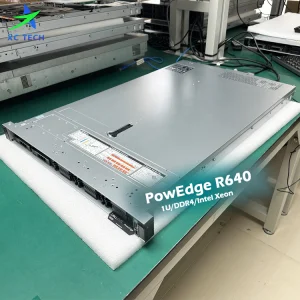
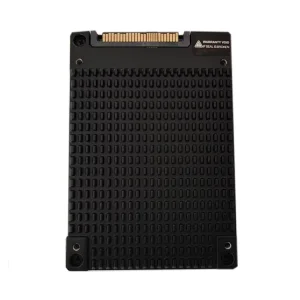
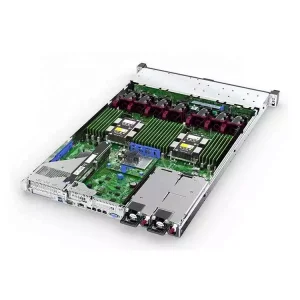
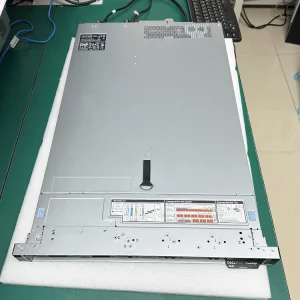
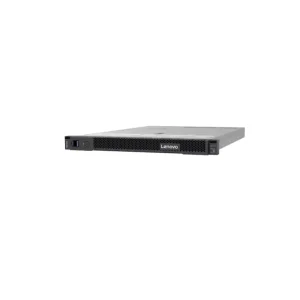
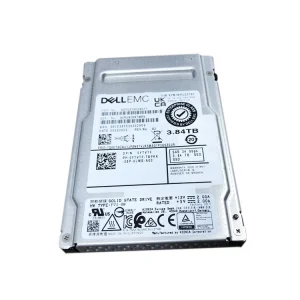
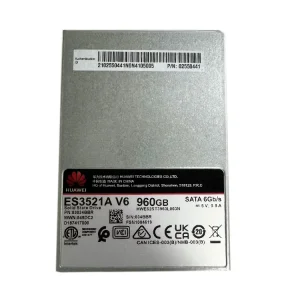
  • Bioinformatics & Genomics Labs (Cambridge & Boston): Genomic sequencing generating petabytes of raw data requires vast storage clusters. High-capacity SAS SSDs and density-optimized 1U/2U server chassis must operate with minimal vibration to protect storage arrays.
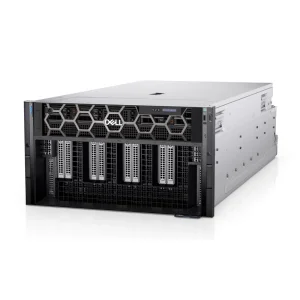
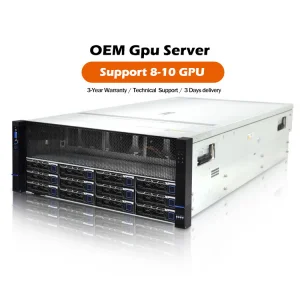
  • Academic Research Computing (Harvard, MIT, BU): Academic labs run extreme HPC clusters for physics simulations and deep learning models. These networks utilize multi-GPU rack servers (e.g., 4U/6U servers) requiring cabinets with heavy-duty mounting rails and open mesh doors with 80%+ ventilation ratios to achieve optimal thermal efficiency.
  • Advanced Defense and Robotics (Waltham, Bedford & Worcester): Industrial automation and defense technology deployments require ruggedized edge computing chassis. These applications demand NEMA-rated dust protection, specialized vibration dampening, and advanced shielding to withstand harsh environments.

Engineering Insight: Thermal Dissipation & Airflow Optimization

Modern AI and HPC equipment can draw upwards of 30kW per rack. To prevent localized hotspots, cabinets must employ precise hot/cold aisle isolation. Our cabinets support tool-less blanking panels, specialized airflow baffles, and integrated brush grommets for cable entries to prevent air recirculation and maximize thermal performance.

3. Compliance, Structural Engineering, and Regional Regulations

Deploying server infrastructure in Massachusetts requires compliance with stringent regulatory standards. Our engineering team ensures all structural parts, chassis, and custom network racks conform to standard industrial baselines:

  • Seismic Integrity (780 CMR - Massachusetts State Building Code): Eastern Massachusetts presents unique structural requirements. For public facilities, data centers, and universities, cabinets must meet seismic zone standards. We design reinforced structural frames with optional heavy-duty floor mounting brackets to satisfy Zone 2 seismic requirements.
  • Electrical and Fire Safety (NFPA 70 / National Electrical Code): All integrated cabinets must conform to the latest NEC standards, utilizing certified UL 94 V-0 flame-retardant cable management ducts, plastic inserts, and grounding systems to prevent electrostatic discharge (ESD) and fire hazards.
  • Environmental Protection Ratings (NEMA & IP Standards): For edge installations in industrial environments, food processing centers, or damp research basements, standard network racks are insufficient. We manufacture custom enclosures rated up to NEMA Type 12 (IP54) and Type 4 (IP66), protecting internal compute hardware from airborne dust, water ingress, and oil contamination.

4. China Supply Chain Efficiency Coupled with Boston Project Delivery

Managing capital expenditure (CapEx) is critical for scaling enterprise networks. Sourcing high-volume sheet metal enclosures, standard server chassis, and smart server racks from our advanced production facilities in China offers a strategic competitive advantage:

  • Advanced Metal Fabrication (CNC & Robotics): Our manufacturing facilities utilize high-precision CNC laser cutters, automatic turret punches, and multi-axis bending machines. This advanced machinery achieves tight manufacturing tolerances within ±0.1mm, ensuring alignment for EIA-310-E mounting rails.
  • Cost Mitigation: By optimizing raw material procurement (e.g., SPCC steel, SGCC galvanized sheets) and running highly automated production lines, we reduce unit manufacturing costs by up to 35% to 45% compared to domestic fabricators in the Northeast US.
  • 100% Quality Assurance (QA/QC): Our quality control framework implements detailed dimensional audits and load testing protocols on every production run. Each server rack is inspected for powder coating adhesion, electrical ground continuity, and door hinge durability before export.
  • End-to-End Logistical Execution: Navigating global shipping lines is complex. We offer DDP (Delivered Duty Paid) shipping directly to your data center loading dock in Boston, Cambridge, or Quincy, managing all customs clearances and local port fees.

Key Operational Metrics & Export Capabilities

A transparent overview of our manufacturing scale, geographic market distribution, and quality assurance processes.
2021
Established Date
$1.18M
Annual Export Revenue
100%
Quality Product Inspection
10%
North American Market Share
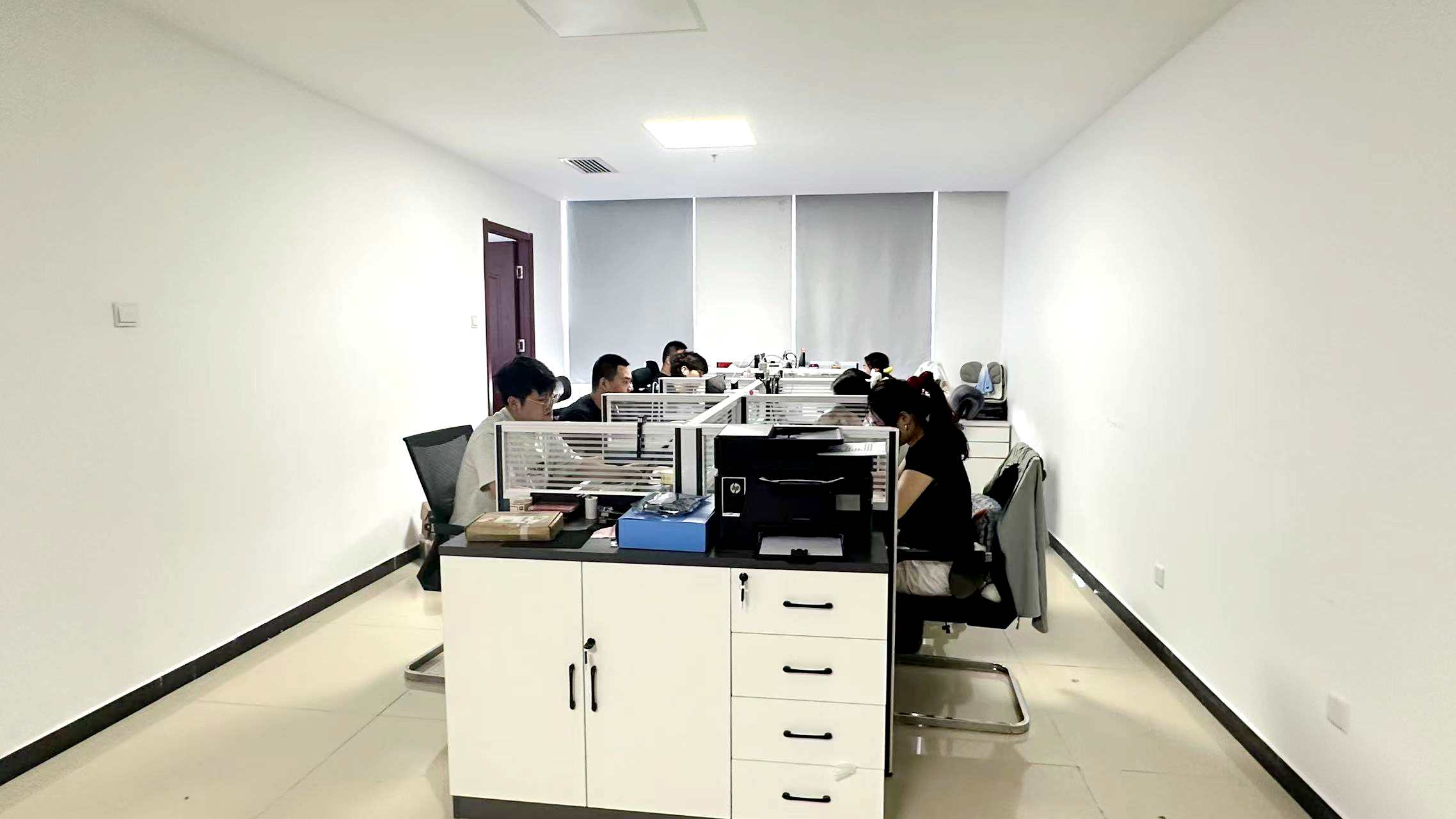
Server Cabinet Production QC Testing Area

Manufacturer Quality Profile & Technical Capacity

Our dedicated engineering office manages custom modifications, structural modeling, and global client relations. We implement a rigorous inspection protocol with dedicated QA/QC professionals who execute full traceability audits on raw steel, powder coatings, and mechanical components.

Registration Date 2021-08-27
Export Operations 4 Years (Active Global Exporting)
Main Target Clients Enterprise Integrators, Engineers, Wholesalers, Data Center Operators
Accepted Languages English (Technical & Commercial Negotiations)

Frequently Asked Questions

Get professional answers to common questions about server cabinet engineering, sizing, and Boston-specific compliance.

How do you guarantee cabinet compliance with Massachusetts building codes?
Our cabinets are engineered to meet the structural integrity parameters of the Massachusetts State Building Code (780 CMR). For installations in active seismic zones, we supply reinforced structural mounting bays and seismic tie-down anchor kits to ensure structural integrity and code compliance.
Can the cabinet dimensions be custom-tailored to support heavy GPU server loads?
Yes, our chassis and server cabinets support heavy static and dynamic loads. Standard configurations feature vertical EIA mounting rails with adjustable depths of up to 1200mm, accommodating deep-profile GPU servers (like the Dell PowerEdge XE9680) and dense cabling arrays.
What materials are used in the construction of the server rack frames?
We utilize high-grade cold-rolled steel (SPCC) for structural frame members and heavy mounting rails. Heavy-load components use sheet steel up to 2.0mm thick, treated with an electrostatic powder coating to prevent corrosion, degradation, and scratching.
What cooling configurations are available for high-density environments?
We support multiple thermal management configurations. Options include open mesh doors with 80%+ ventilation ratios for hot/cold aisle setups, top-mounted high-flow fan trays, and provisions for side-mounted liquid cooling manifolds.
How does the shipping and logistics flow work from the factory to Boston?
We manage the logistics from our factory, offering ocean shipping to the Port of Boston, followed by freight delivery to your facility. We offer DDP (Delivered Duty Paid) options where we handle customs clearance, import tariffs, and harbor fees.