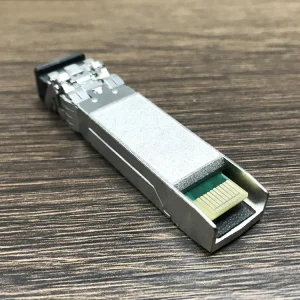
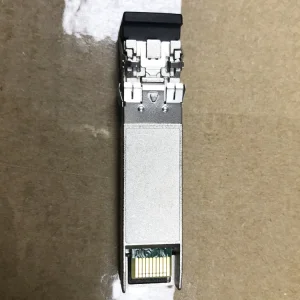
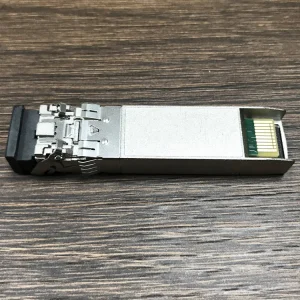
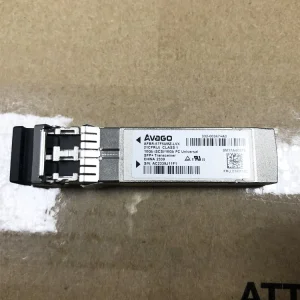
Premium SFP and SFP+ fiber optic modules engineered for high compatibility, low power consumption, and long-term transmission reliability.
A statistical overview of our manufacturing footprint, quality verification capabilities, and international logistics operations.
Analyzing the strategic role of Baltic distribution networks in mitigating optical supply chain risks for European IT buyers.
Latvia, situated dynamically at the core of the Baltic region, is rapidly evolving into a vital data center and telecommunications crossroads. Supported by highly advanced fiber-optic networks, such as those operated by state-integrated telcos and localized private data providers in Riga, the country commands exceptionally low latency pathways connecting Northern Europe with Eastern Europe and Asia. For enterprise architects and global procurement managers, identifying a reliable SFP factory and exporter in Latvia is no longer just about transactional sourcing; it represents a geographic and strategic advantage to bypass maritime shipping disruptions and guarantee immediate intra-EU delivery of critical network hardware.
European enterprises are shifting away from long-distance single-source dependencies in East Asia. Recent supply chain shocks have made regional European assembly, testing, and distribution centers critical. Latvia benefits directly from EU integration: all shipments imported or processed through Latvian ports and dry docks are compliant with Schengen border rules, meaning zero tariff delays when routed to major network hubs in Germany, Poland, Sweden, and the Czech Republic. By leveraging Latvian distribution networks, buyers of 10G SFP+ modules and 16Gb Fibre Channel transceivers secure a redundant inventory reserve close to their production environments.
Riga offers dense peering infrastructure with access to the LIX (Latvian Internet Exchange) and major Baltic subsea fiber runs, ensuring high-speed data pathways and demand for premium optics.
All distributed optical products undergo rigorous testing to ensure full compliance with the European Union's CE markings, RoHS environmental guidelines, and WEEE requirements.
An optical transceiver does not operate in isolation. In modern data center designs—such as those implemented in municipal cloud parks in Ventspils, Liepāja, and Riga—SFP modules must integrate seamlessly with high-density rack servers and storage systems.
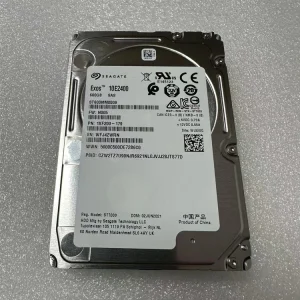
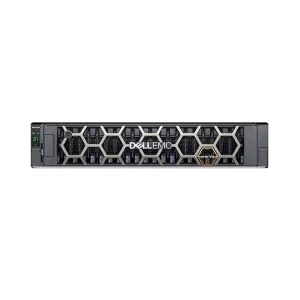
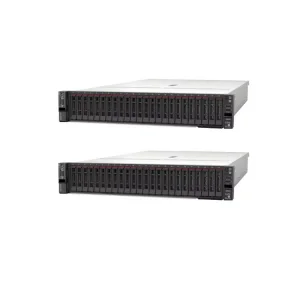
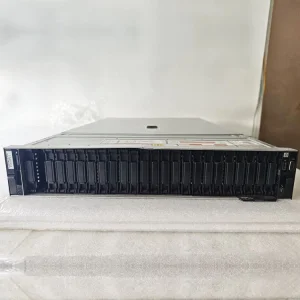
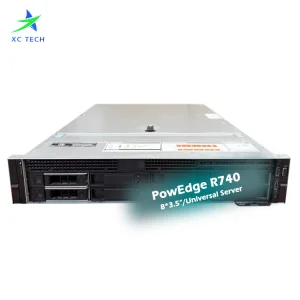
Whether deployment involves Dell PowerVault Storage arrays or AMD EPYC-driven ThinkSystem servers, the SFP module acts as the physical layer pipeline. A single minor incompatibility in the EEPROM coding of an SFP module can flag warning lights in high-security hypervisors. Our curated portfolio ensures that our optical modules are pre-coded to bypass vendor lock-in mechanisms, ensuring flawless compatibility with international server hardware platforms.
Quality Verification Standard: Every single batch of 10G/16G FC transceivers undergoes bit error rate testing (BERT), spectral optical power measurement, and real-platform compatibility verification in our dedicated QC lab prior to dispatch.

Complementary enterprise-grade hardware designed to work cohesively with our high-speed optical transceivers for robust data throughput.
Modern virtualization environments demand extreme optical reliability. SFP transceivers must consistently deliver peak optical power without suffering from signal degradation over extended distance spans.
The Multi-Source Agreement (MSA) outlines the standard dimensions, electrical interfaces, and signaling properties for optical transceivers. Any transceiver exported through our Latvian network complies precisely with these specifications, making them plug-and-play with hardware from global server manufacturers.
Furthermore, our 10G SFP+ and 16G Fibre Channel modules integrate Digital Diagnostics Monitoring (DDM / DOM). This technology permits network administrators in Latvia or elsewhere to monitor real-time operating metrics such as:
As data storage architectures transition to distributed SSD pools running NVMe-over-Fabrics (NVMe-oF), standard 10G pipelines are facing limitations. Our R&D network is positioning next-generation transceivers targeting 25G NRZ, 100G PAM4, and early-phase coherent silicon photonics. This roadmap ensures our industrial buyers can scale their structural network capacity within Baltic hubs without re-engineering their underlying passive optical infrastructure.
Expert insights regarding shipping logistics, compatibility coding, and compliance standards for sourcing transceivers from Latvia.
Importing within the EU zone via Latvia completely eliminates complex customs declaration delays and duty processing. It provides transit tracking speeds across Europe in 2 to 5 business days, bypassing the weeks-long delays typical of direct intercontinental shipping.
Yes, our modules are encoded to ensure compatibility with major network switches, routers, and enterprise servers. We verify the EEPROM configurations to ensure they match host-platform requirements without triggering un-certified hardware warnings.
We employ a strict 100% full-inspection QA regime. Each transceiver is subject to optical spectrum checks, bit error rates evaluation, thermal cycle simulation, and firmware consistency verification. We also maintain raw material traceability logs.
All premium SFP modules, Fibre Channel transceivers, and server component solutions carry an industry-leading 3-year warranty covering technical failure, link instability, and performance deviation.
We work with international logistics providers (such as DHL, FedEx, and UPS) directly operating from Riga International Airport. All customs documentation, certificates of origin, and compliance datasheets are prepared in English to expedite importing protocols.
Optimize your networking deployment. Get detailed pricing, compatibility datasheets, and shipping schedules customized for your project.
 Vertex AI Server