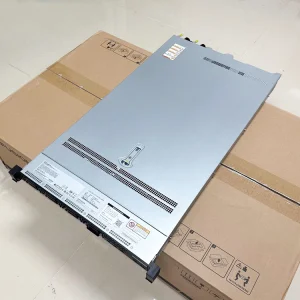
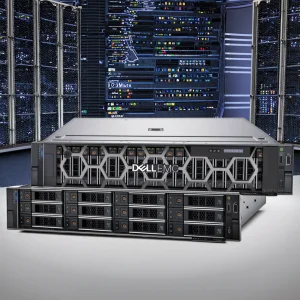
Optimized hardware designs for local manufacturing workloads, low-latency factory operations, and hybrid cloud storage networks.
A Deep-Dive Whitepaper on Evolving Infrastructure Demands in Japan's Advanced Production and Manufacturing Heart
The Nagoya metropolitan area, encompassing the Aichi prefecture, is renowned as Japan's powerhouse for aerospace, automotive manufacturing, and heavy robotics. As enterprises undergo the inevitable shift towards Industry 4.0, IoT sensor consolidation, and cloud-native manufacturing execution systems (MES), the requirement for localized, high-reliability storage servers has hit critical levels. In these contexts, latency is no longer a minor consideration—it directly dictates the efficiency of assembly lines, visual inspection AI algorithms, and massive automotive simulation environments.
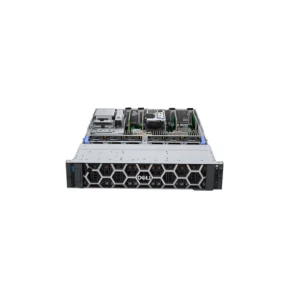
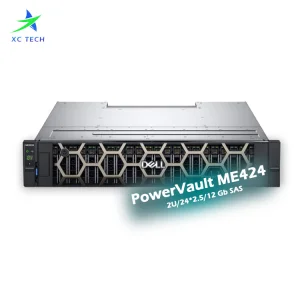
For instance, CAD/CAE simulations utilized by prominent automotive manufacturers in the Chubu region demand ultra-high-density storage pools combined with high-performance computing nodes. High-capacity, enterprise-class NAS servers—including specialized, low-power SAN/NAS units like the Dell PowerVault ME5 series—provide the necessary high-throughput, low-latency backbones. These systems are essential for managing and sharing PB-scale engineering telemetry data across multiple R&D divisions safely and efficiently.
Local assembly plants rely on decentralized server topologies. By placing custom 2U configurations and localized GPU inference nodes close to the physical shop floors, Nagoya businesses bypass latency and privacy restrictions associated with purely remote public clouds. This hybrid approach ensures complete data sovereignty and uninterrupted factory operations, even during external network disruptions.
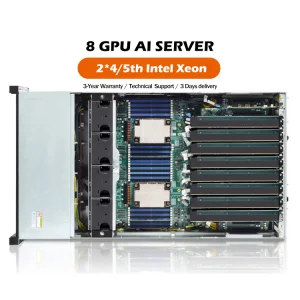
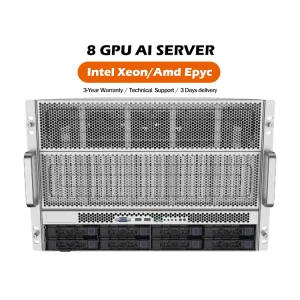
The hardware paradigm in the enterprise market is undergoing a rapid evolution. The integration of modern AI, such as local Deepseek models, demands specialized compute server designs featuring high thermal dissipation thresholds and extensive PCIe Gen 5 routing. Enterprise storage servers are transitioning from basic file storage units to active computing clusters. Systems featuring dual and quad Intel Xeon Scalable processors, combined with up to 8 high-performance GPU co-processors, are actively taking over heavy analytics tasks.
Engineered to accelerate complex deep learning models, advanced CAD design databases, and heavy virtualization layers.
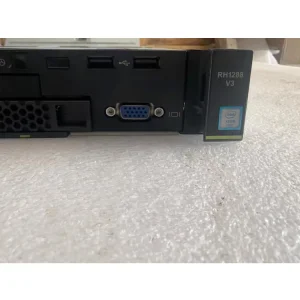
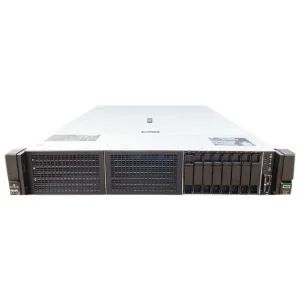
Procuring storage servers for production lines involves strict quality control standards. Hardware downtime on an assembly line can lead to significant financial losses. Modern storage server manufacturing practices prioritize complete traceability and strict component validation to ensure long-term reliability.
Every single hardware unit goes through comprehensive diagnostic testing prior to shipment. This includes dynamic thermal chambers, memory burn-ins, and sustained storage read/write cycles designed to detect and eliminate early failure points. Furthermore, ensuring the traceability of raw materials and key components—such as controller chips and solid-state drives—allows manufacturers to guarantee compliance with global industry regulations. This provides Nagoya's safety-oriented industries with reliable hardware support they can trust.
Below are the audited performance matrices reflecting our focus on high-quality hardware delivery and global export standards.
Client Demands Serviced: Brand businesses, Retailers, Engineering firms, Wholesalers, OEM/ODM Manufacturers, and specialized private cloud deployments.
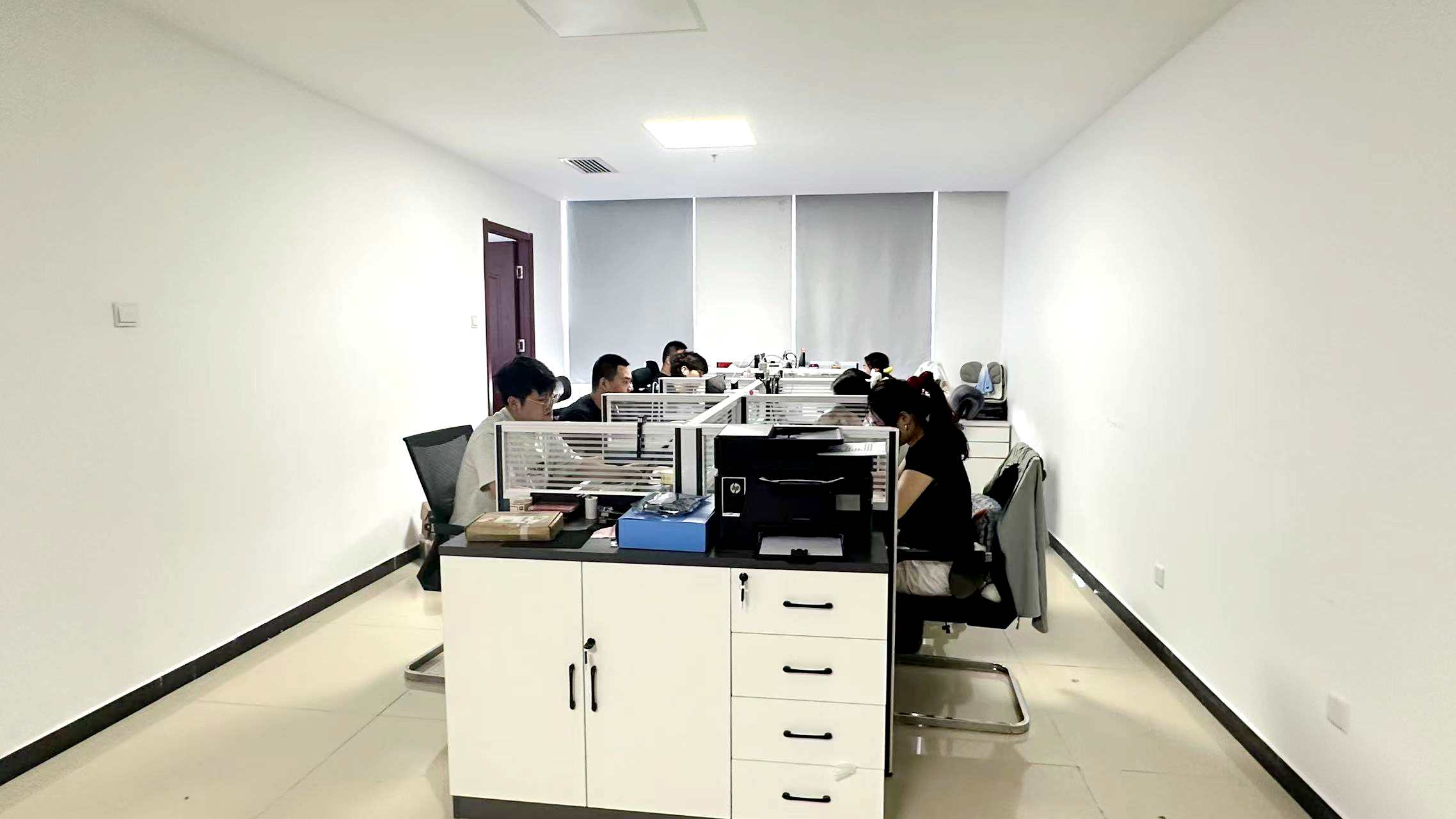
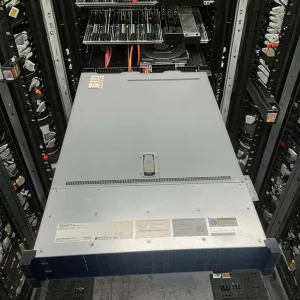
Our partner factory quality assurance lab, featuring active diagnostic arrays for enterprise computing units.
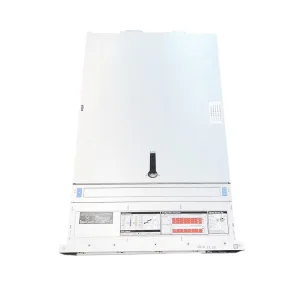
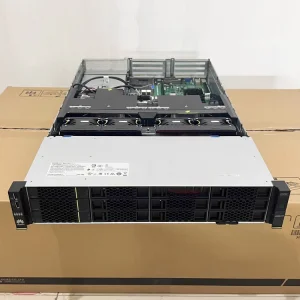
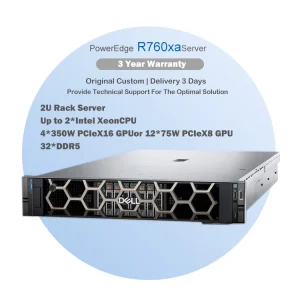
A complete selection of storage servers, Deepseek AI compute nodes, and legacy virtualization solutions available for immediate deployment.
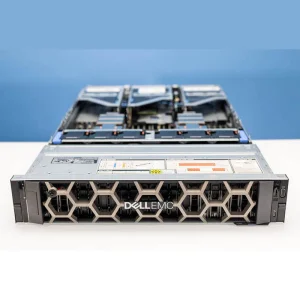
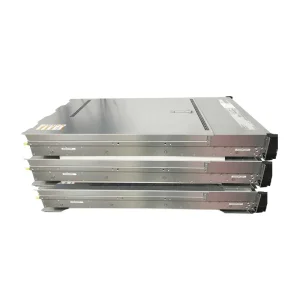
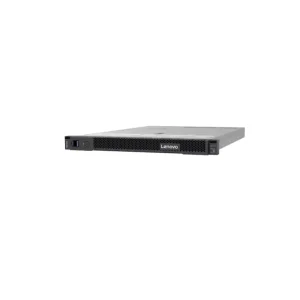
Acquiring enterprise-class hardware in today's market requires navigating complex global supply chains and regulatory frameworks. Systems deployed in Japan's manufacturing hubs must adhere to specific technical standards, including VCCI (Voluntary Control Council for Interference) compliance for electromagnetic compatibility, and PSE (Product Safety Electrical Appliance & Material) safety requirements for power components.
Partnering with an experienced exporter ensures a smooth procurement process. With established distribution channels across Eastern Europe, North America, and domestic markets, our supply chain guarantees reliable component sourcing even during global chip shortages. By choosing factory-inspected refurbished, open-box, or brand-new options (from leading brands like Dell EMC, HPE, and Huawei), companies can optimize their hardware budgets without compromising on reliability.
Additionally, our flexible hardware integration services allow us to pre-configure storage arrays, customize memory setups, and pre-install virtualization hypervisors before shipment. This means systems are ready to deploy immediately upon arrival at local data centers or factory floors.
As we approach 2030, enterprise storage architectures are shifting away from traditional hard drive systems toward all-flash NVMe arrays and high-capacity PCIe Gen 6 interfaces. This evolution is driven by the demands of next-generation AI workloads, large-scale database operations, and high-frequency sensor networks. Let's look at the key technologies defining this transition:
Investing in scalable hardware platforms like the Dell PowerEdge R760 series or Lenovo ThinkSystem SR630 V3 ensures long-term upgrade options and compatibility with future developments. This makes them ideal options for growing digital systems in the Nagoya region.
Technical and logistics questions answered for IT professionals and procurement teams in the local market.
 Vertex AI Server