High-reliability compute nodes, low-latency SAS/NVMe solid-state modules, and scalable memory channels engineered for the modern data center landscape.
Ireland has established itself as the undisputed data heart of Europe, hosting over 80 operational data centers, with the Dublin metropolitan area alone managing an unprecedented share of EMEA's digital traffic. As a strategic node for multinational hyperscalers, SaaS ecosystems, and financial complexes (IFSC), the hardware infrastructure operating behind these facilities dictates the scalability and resource efficiency of the European continent.
However, this rapid digital expansion intersects with complex regional challenges. Ireland’s power grid, governed under strict parameters by EirGrid and the Commission for Regulation of Utilities (CRU), faces critical load challenges. The mandate of the hour is clear: power-efficient computing, high thermal efficiency, and dynamic workload scalability. As a leading specialized exporter of enterprise computing solutions, we bridge the gap between global hardware manufacturing and localized Irish integration needs, delivering hardware that satisfies strict environmental regulations while matching the processing power required by AI applications.
The transition from legacy hardware architectures to AI-optimized servers has reshaped hardware procurement patterns globally. Hyperscale operators are moving away from monolithic rack structures toward energy-efficient, high-density computing platforms. While major tech hubs in North America and Western Europe demand raw computational power, the Irish market demands intelligent compute density:
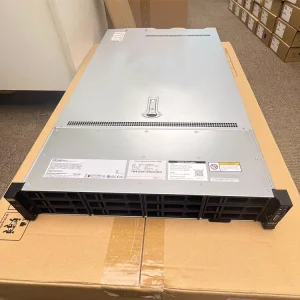
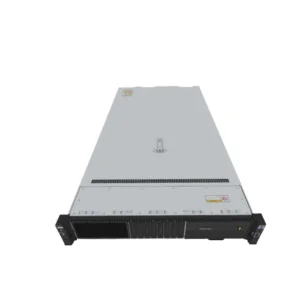
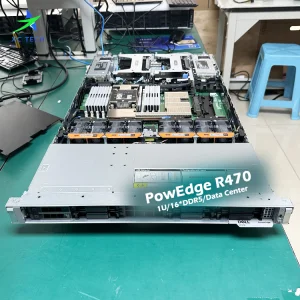
New installations within the Dublin Metro system are subject to stringent PUE (Power Usage Effectiveness) monitoring. Modern FusionServer configurations (such as the 2288H V7 and 2488H V7 series) allow dynamic voltage scaling and automated fan-speed regulation to operate efficiently within tight regional thermal allowances.
2025 has marked a major shift in the software landscape, with the rise of modern architectures like DeepSeek AI and related large language models (LLMs). This evolution changes the fundamental requirements for backend compute platforms. Training and inferencing these algorithms require intense processing capabilities that standard enterprise systems cannot support alone.
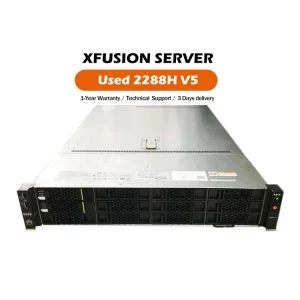
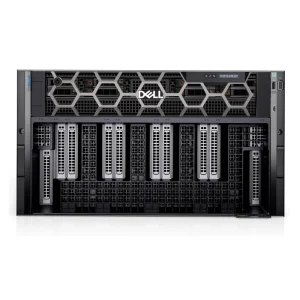
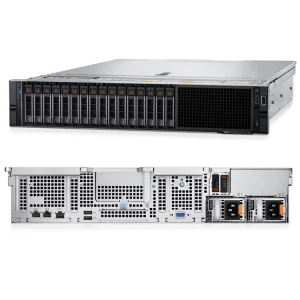
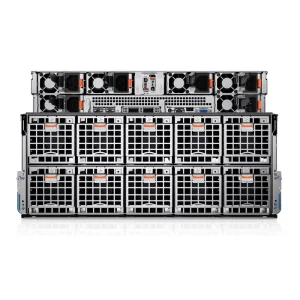
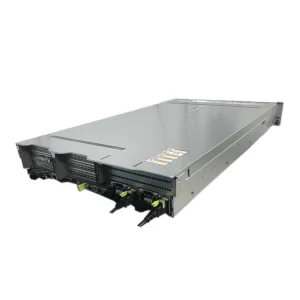
To deploy localized DeepSeek nodes within the EU jurisdiction (critical for GDPR compliance and data sovereignty), organizations are adopting dual-socket and quad-socket architectures like the XFUSION 2U FusionServer 2288H V7 and Dell PowerEdge XE9680. These systems accommodate high-capacity DDR5 channels (up to 32 DIMM configurations) and high-speed PCIe expansion lanes. They provide the necessary bandwidth to prevent data bottlenecks between multi-GPU systems and high-throughput NVMe storage pools.
Modern virtualization infrastructures demand storage solutions that can match raw compute power. Deploying high-density server configurations without high-performance flash storage leads to CPU underutilization. To address this, we optimize server architectures with enterprise-grade NVMe PCIe Gen 4/5 SSDs and high-capacity SAS units.
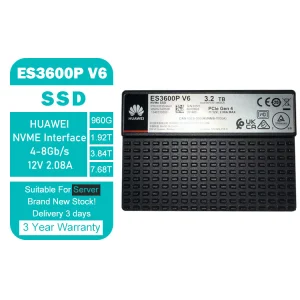
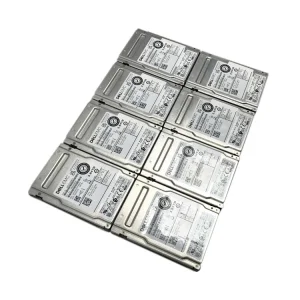
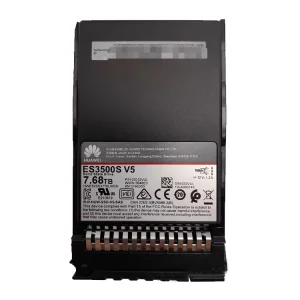
Enterprise storage solutions, such as the ES3600P V6 NVMe SSD or KPM7WRUG3T84 24Gb/s SAS drives, provide the necessary IOPS (Input/Output Operations Per Second) to support intensive virtualization, database management, and real-time analytical queries. By eliminating SAS bus bottlenecks and migrating to direct-to-CPU NVMe lanes, data centers in Ireland can improve application response times while reducing overall energy footprint.
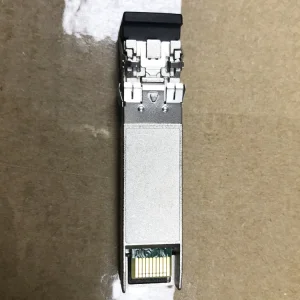
Data pipelines require high-performance networking to connect compute nodes to SAN (Storage Area Network) arrays. Integrating enterprise-grade components, like Lenovo 5G 16Gb FC SFP fiber optic transceivers, ensures clean, noise-tolerant fiber communication over long runs. In massive server deployments, these enterprise fiber channel architectures ensure that storage volumes remain highly available, resilient, and ready to meet SLA requirements.
Furthermore, incorporating certified hardware components reduces failure rates. With our strict quality control frameworks (100% component testing prior to delivery), system administrators can deploy these platforms with confidence, knowing they are optimized for continuous operation under heavy enterprise workloads.
With years of experience in technical exporting, we have optimized our supply paths to address the complex logistics of international trade. For European buyers, we provide transparent logistics coordination, comprehensive transit insurance, and components tested to conform to strict EU directives. This localized supply chain model reduces lead times, ensuring your projects remain on schedule.
Browse our full selection of new and certified refurbished rack servers, SSD modules, and networking components. All systems are fully inspected before shipment.
As machine learning architectures grow, data center managers are shifting focus from basic rack space allocation to advanced thermal management. Liquid cooling is transitioning from an optional upgrade to a foundational requirement. High-power multi-GPU nodes now run at thermal design power (TDP) thresholds exceeding 700W per chip, making traditional air-based system cooling configurations insufficient on their own.
Next-generation Xeon Scalable Processors, coupled with DDR5 memory modules and PCIe Gen 5 configurations, form the foundation of our computing solutions. These platforms enable higher compute density per rack, reducing physical footprint requirements in premium data center facilities. This performance-per-watt efficiency is critical for facilities seeking to expand processing capacity under fixed grid capacity allocations.
By leveraging CXL (Compute Express Link) protocols, our custom configurations decouple memory resources from individual compute nodes. This enables real-time resource allocation, allowing nodes to dynamically request memory capacity based on fluctuating application loads. This architecture improves utilization metrics and prevents capital-intensive resources from remaining idle during periods of low activity.
Frequently asked questions concerning hardware warranties, shipping timelines to Ireland, import tariffs, custom configurations, and deployment guidelines.
For items held in stock, processing and transit to Irish destinations (including Dublin, Cork, and Limerick hubs) generally takes between 7 to 14 business days. Custom-configured systems or large orders requiring special components are subject to production lead times, which are detailed during the initial inquiry.
While our standard profile is optimized for bulk export of pre-configured systems, we can adjust memory and storage capacities to meet specific deployment requirements. Contact our engineering support team to discuss your capacity needs.
We inspect 100% of our systems prior to dispatch. Each component, including SSDs, memory modules, and processors, is cataloged with traceable serial numbers back to our supply network, ensuring reliability for enterprise environments.
Warranty terms depend on the product category. New systems (like the FusionServer V7 Series) include a 3-year warranty, while certified refurbished systems generally come with a 1-year warranty. All warranty terms are specified in the product documentation.
Connect with our engineering team to request a customized quote, verify current inventory levels, or discuss logistical planning for your Irish or European deployment.
Send Inquiry Now Vertex AI Server