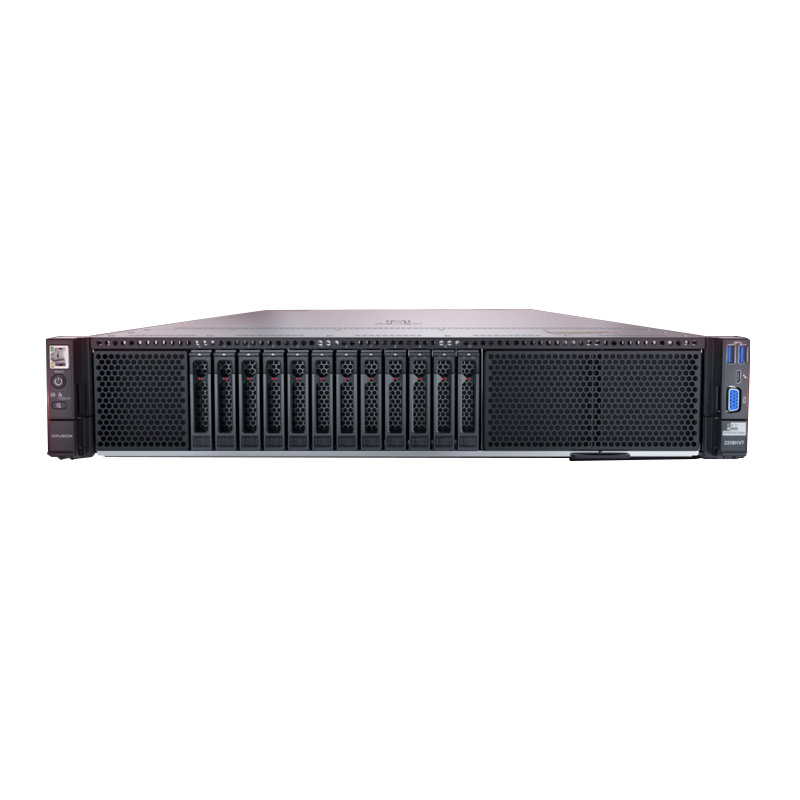
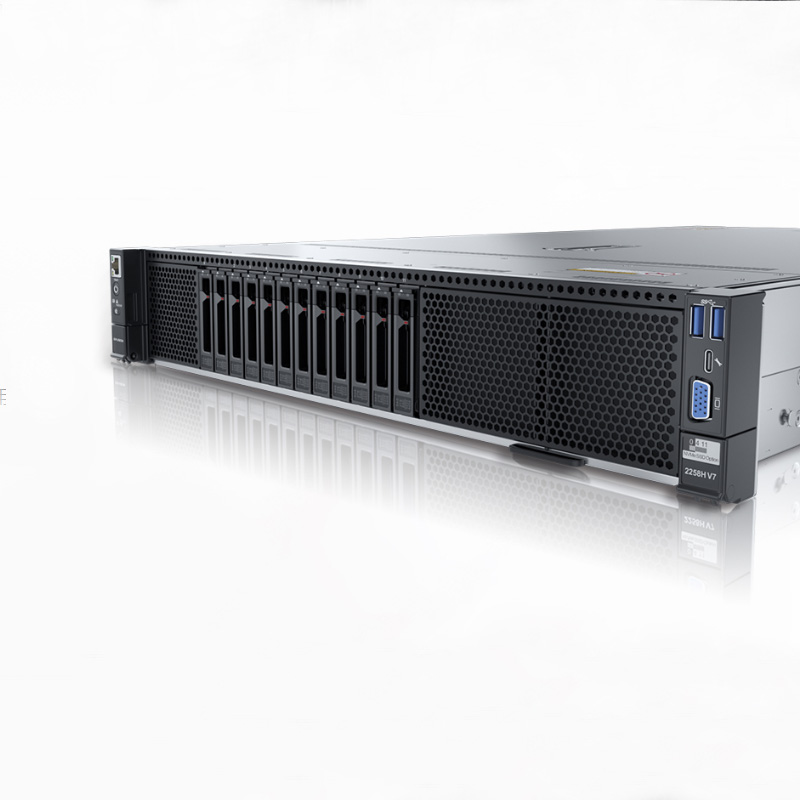
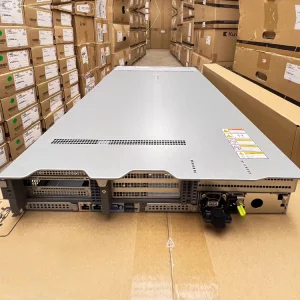
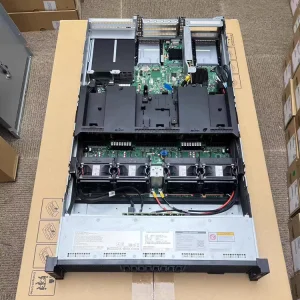
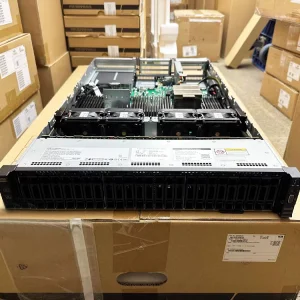
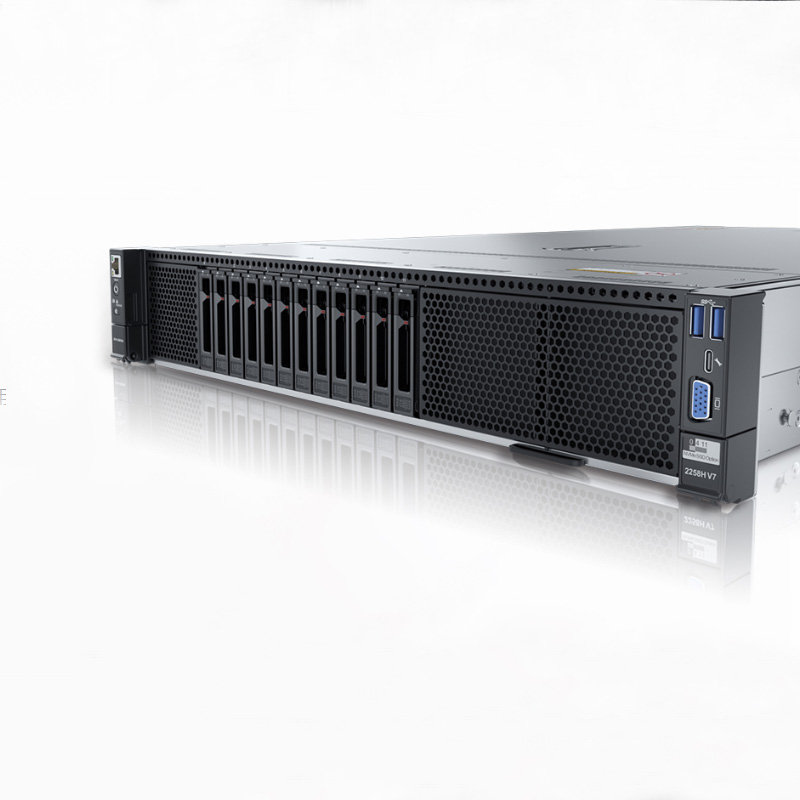
Vertex AI Server
1 / 5
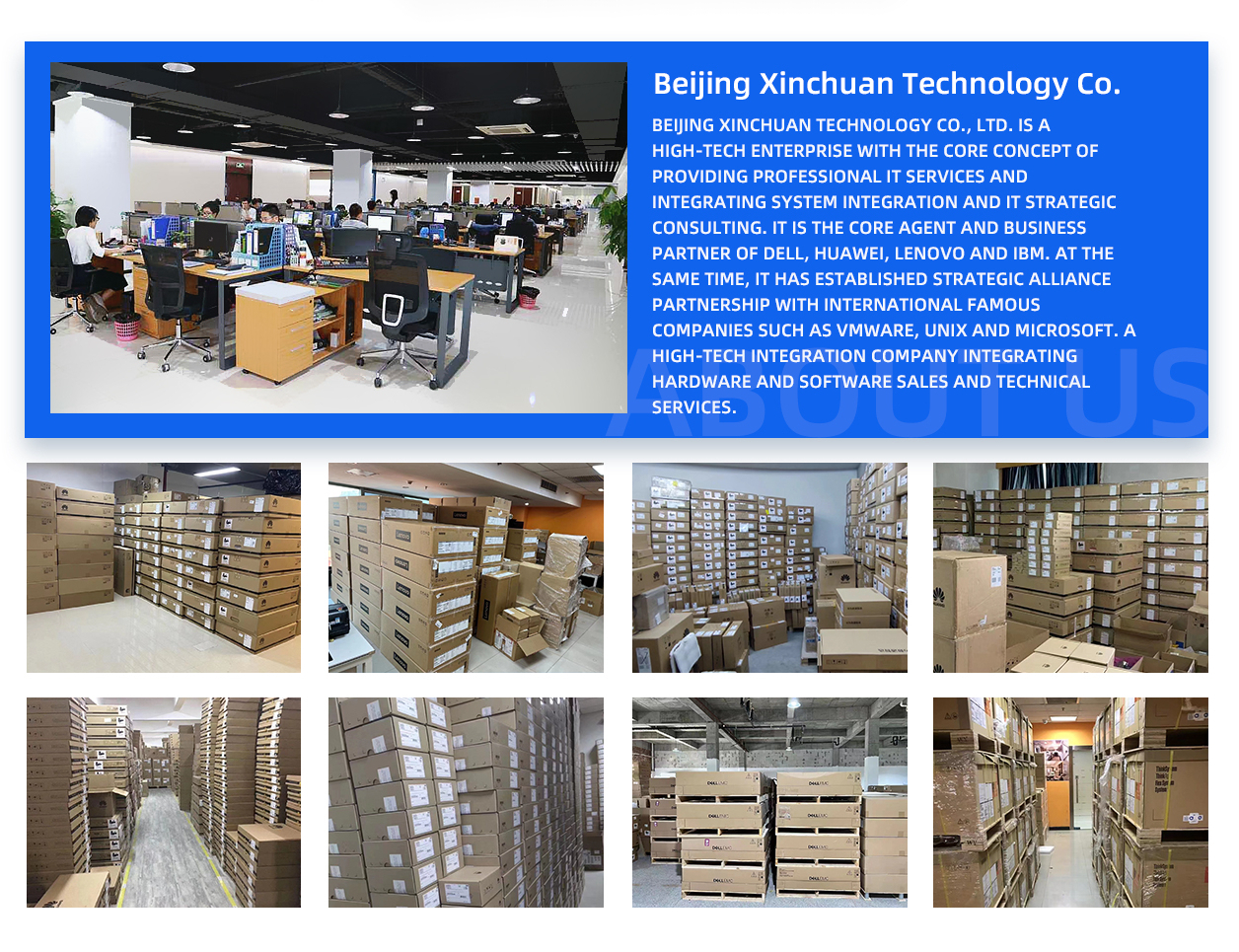
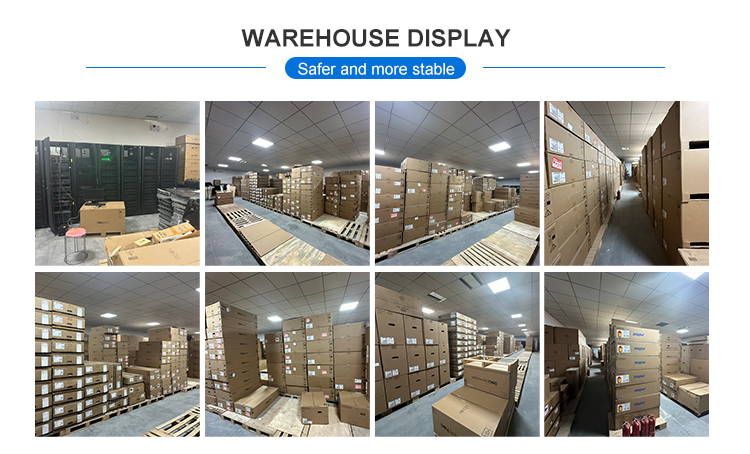
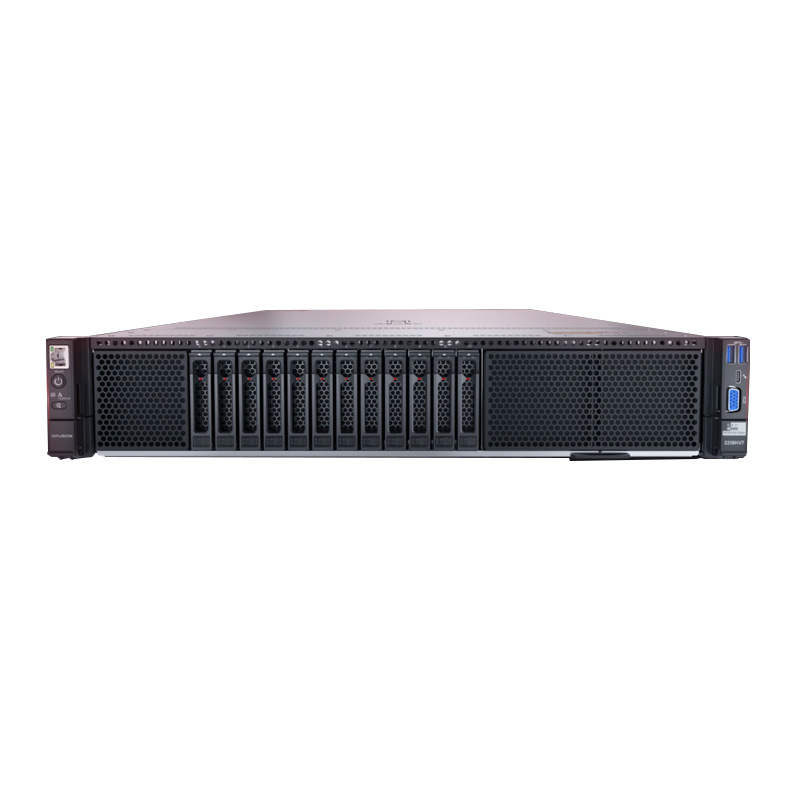
With 10 years of distribution experience, we are a high-tech enterprise integrating system integration, IT consulting, and professional IT services. As a core partner of global leading brands including Huawei, Lenovo, Dell, and IBM, we provide optimized setups to match your technical requirements. We can customize configurations freely according to your specific needs.
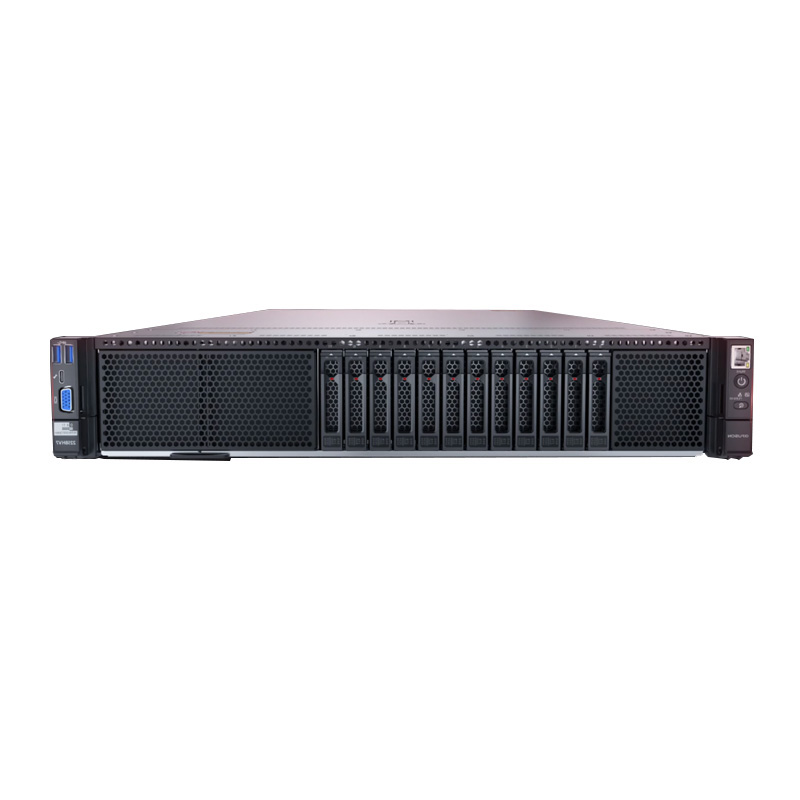
| FusionServer 2258H V7 Specifications | |
|---|---|
| Model | FusionServer 2258H V7 |
| Customization Intention | Customers Can Freely Choose Specific Configurations |
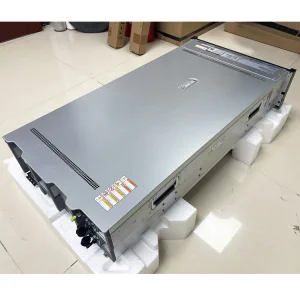
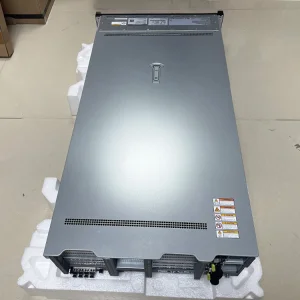
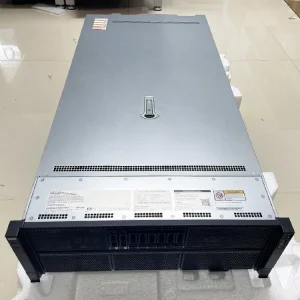
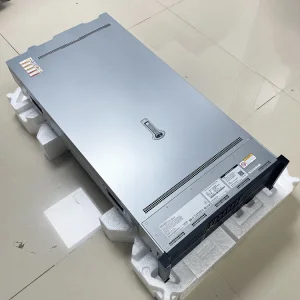
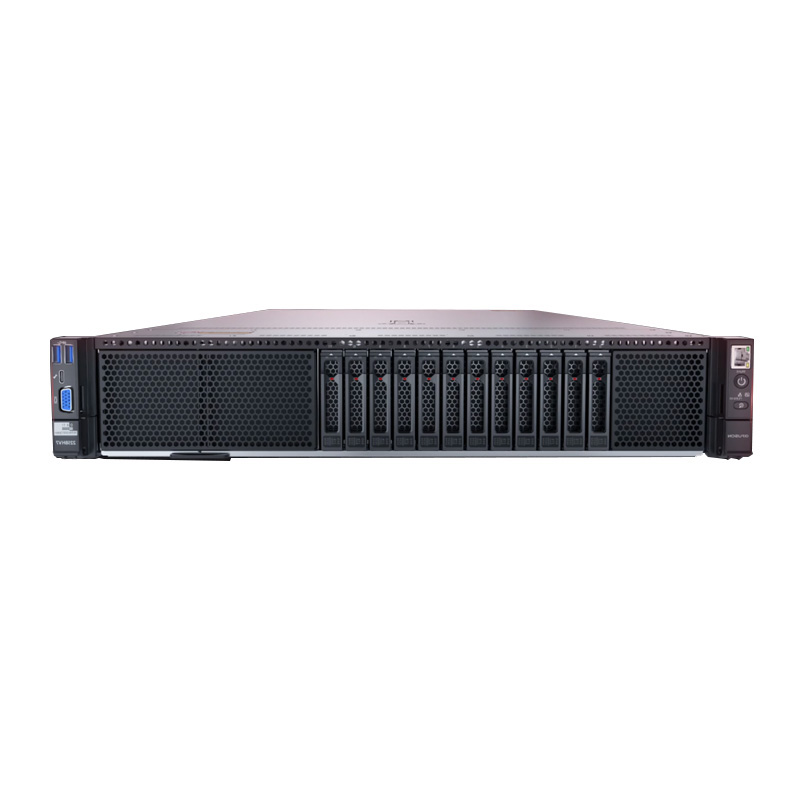
| Form Factor | 2U rack server |
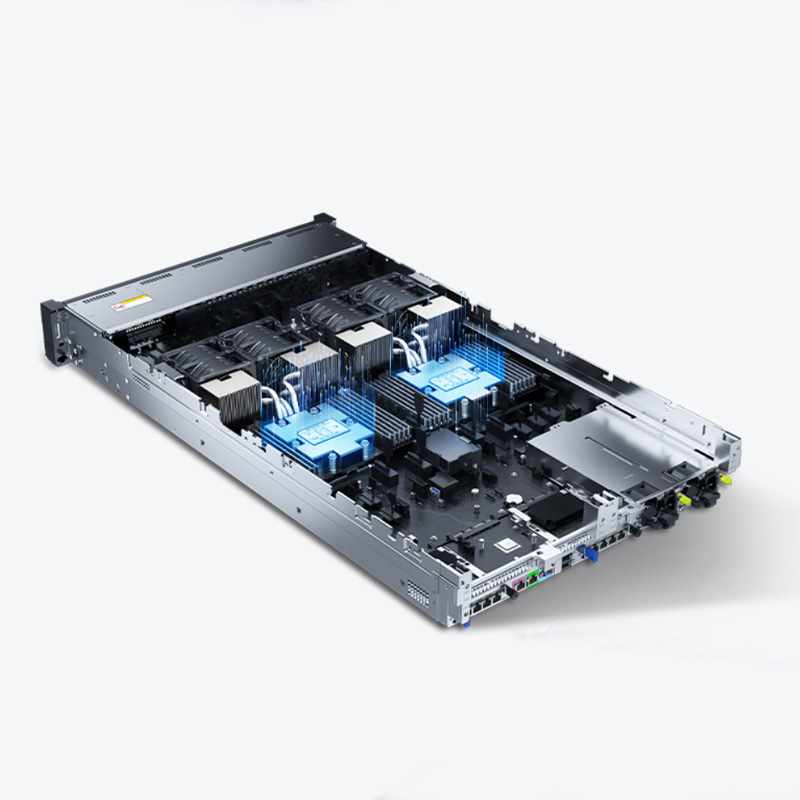
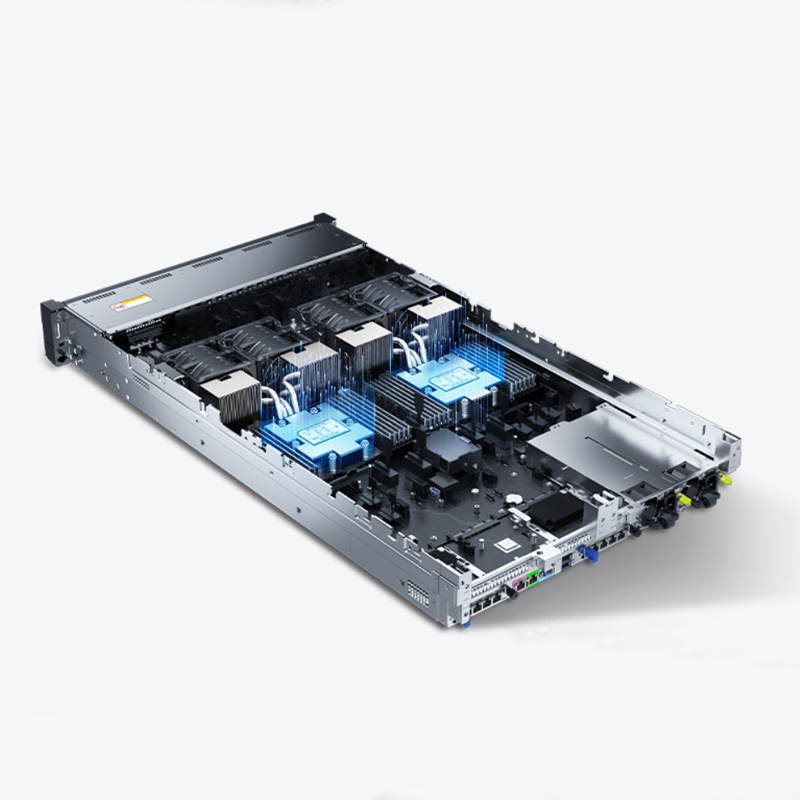
| Processor | 1/2 AMD fourth generation EPYC™ 9004 series (Genoa) processor |
| Memory | 12*24 DDR5 memory slots available for flexible selection, up to 4800MT/s |
| Local Storage |
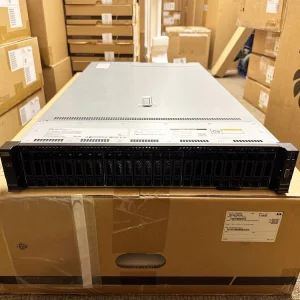
Supports multiple different hard drive configurations, supporting hot swapping: - Can be configured with 8 2.5-inch SAS/SATA hard drives - Can be configured with 12-16 3.5-inch SAS/SATA hard drives - Can be configured with 24 NVMe SSD disks - Can be configured with 12 2.5-inch hard drives (including 8 NVMe hard drives) or 25 2.5-inch SAS/SATA hard drives - Supports Flash storage: Dual M.2 SSDs (supporting SATA/NVMe) |
| RAID Support | Optional configuration supports RAID0, 1, 10, 1E, 5, 50, 6, 60, etc. Supports Cache supercapacitor protection, provides RAID level migration, disk roaming, self-diagnosis, and web remote settings. |
| Networking | Supports multiple network expansion capabilities. Supports an OCP 3.0 network card optionally as needed, supporting hot plugging and PCIe 5.0. |
| GPU | Supports 2 dual-width GPU acceleration cards or 8 single-width GPU acceleration cards |
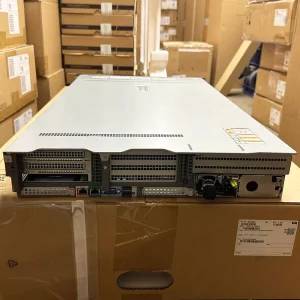
| PCIe Slots | 1 OCP3.0 dedicated FLEX IO expansion slot, supporting 8 full-height standard PCIe expansion slots, including 4 PCIe 5.0 slots |
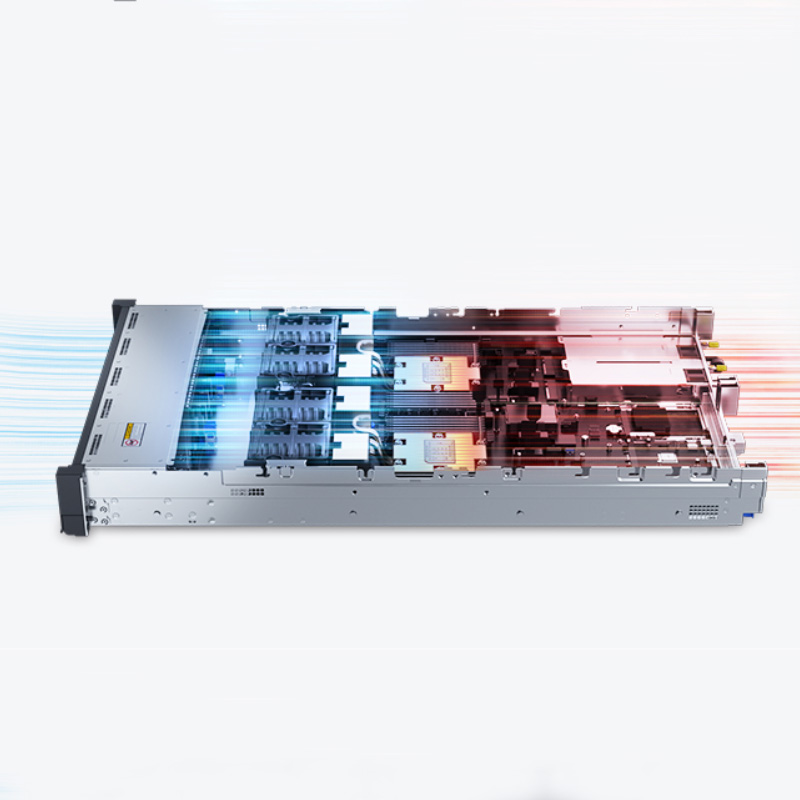
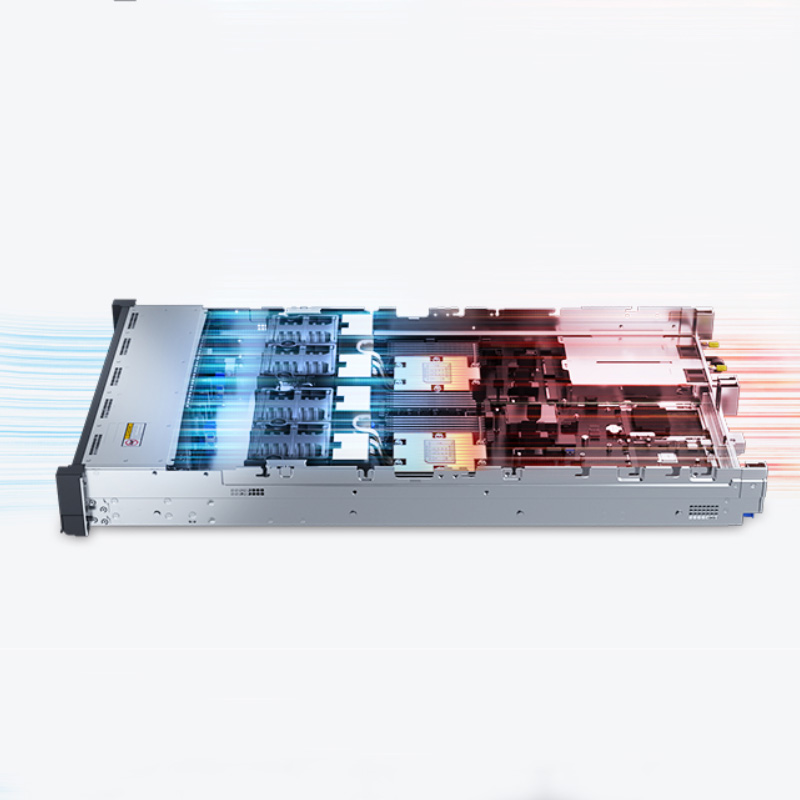
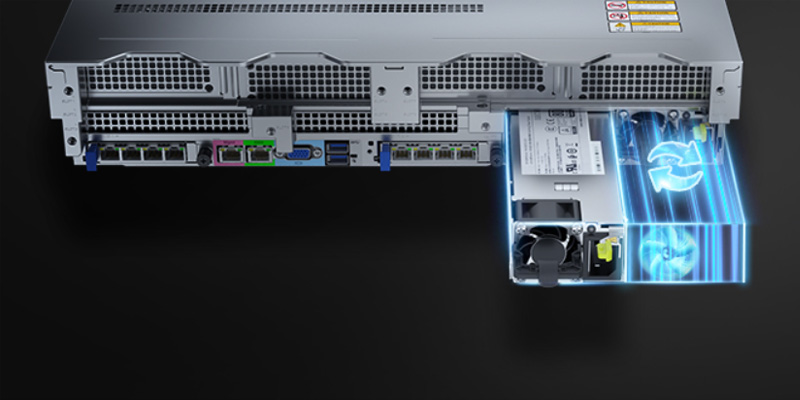
| Fan | 4 hot-swappable counter-rotating fans, supporting N+1 redundancy |
| System Support | FusionOS (a hyper-fusion operating system), Microsoft Windows Server, SUSE Linux Enterprise Server, VMware vSphere, Red Hat Enterprise Linux, Oracle, Ubuntu, etc. |
| Safety Certification | Support power-on password, administrator password, TPM 2.0, safety panel, safety start, and lid opening detection. |
| Power Supply |
- 900W AC Platinum/Titanium Power Supply (Input: 100V AC~240V AC or 192V DC~288V DC) - 1500W AC Platinum Power Supply 1000W (Input: 100V AC~127V AC) / 1500W (Input: 200V AC~240V AC or 192V DC~288V DC) - 1500W 380V High Voltage DC Power Supply (Input: 260V DC~400V DC) - 1200W -48V~-60V DC power supply (Input: -38.4V DC) |
| Operation Temp | 5 ºC to 45 ºC (41 ºF to 113 ºF) (compliant with ASHRAE A3 and A4 standards) |
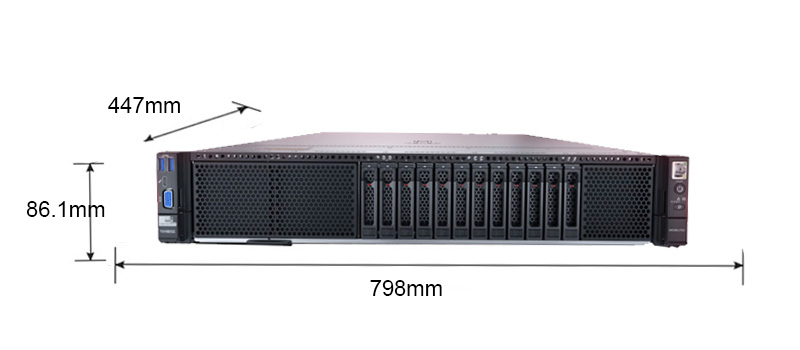
| Size | 86.1mm × 447mm × 798mm |
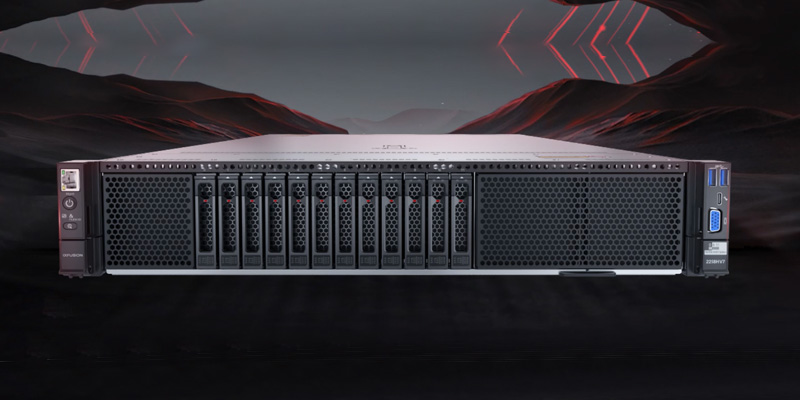
Designed for Internet IDCs (Internet Data Centers), the new generation 2U 2-socket rack server supports wide applications to meet the strict needs of cloud computing, enterprise markets, and telecom business applications.
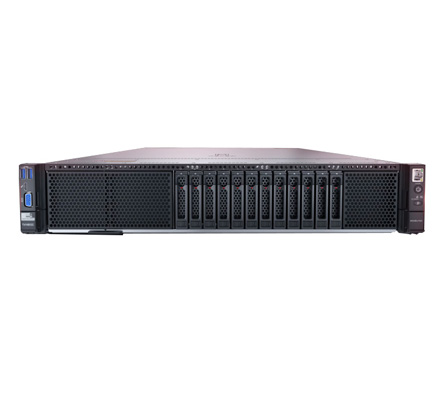
Suitable for IT core business, cloud computing, virtualization, high-performance computing, enterprise or telecom applications. Benefits include low energy consumption, strong scalability, high reliability, and easy deployment.
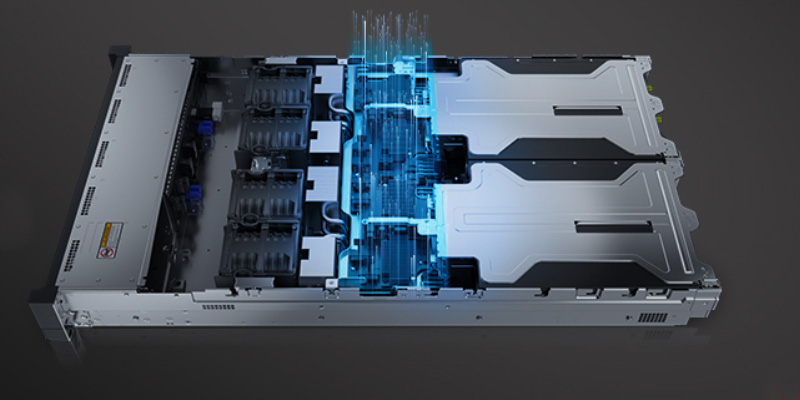
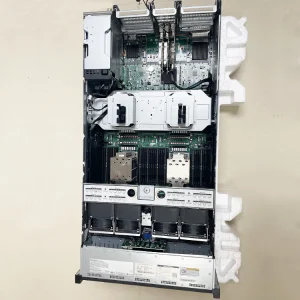
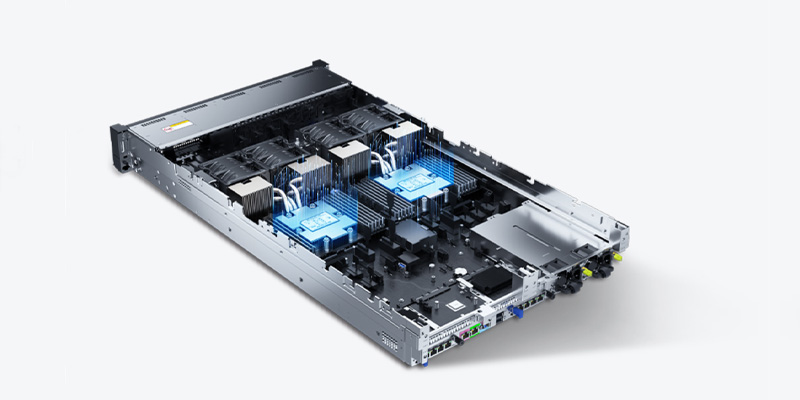
Based on AMD's fourth generation EPYC™ 9004 series (Genoa) processors, supporting two 400W CPUs and 24 DIMM DDR5 memory units.
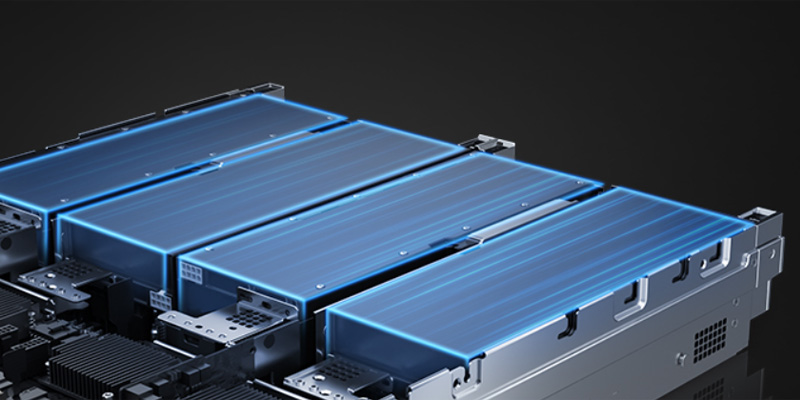
Supports PCIe 5.0 protocol with 8 full-height standard PCIe expansion slots. Up to 100% PCIe bandwidth increase for ultra-fast interconnectivity.
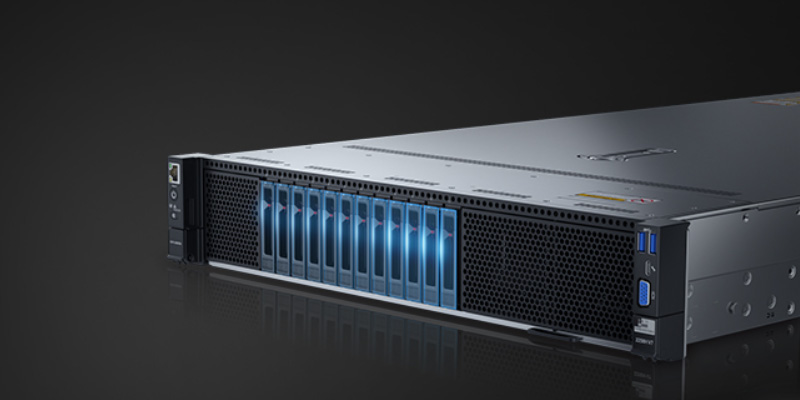
Supports configurations of up to 12 * SAS/SATA and 4 * NVMe U.2 SSD hard drives, delivering high-speed data access and excellent storage performance.
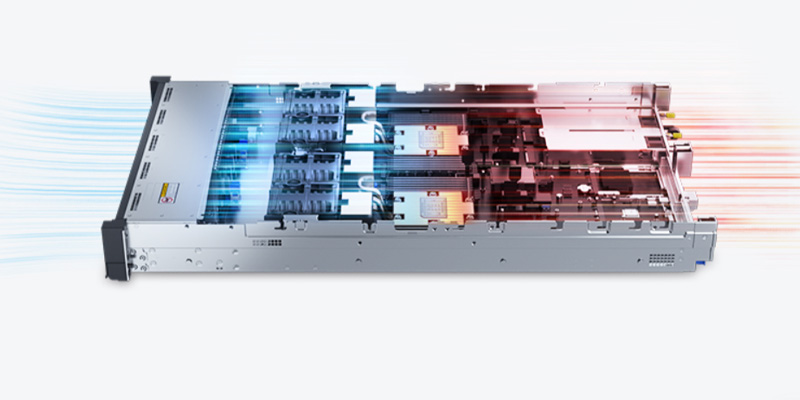
Features heat pipe remote heat dissipation technology, increasing single radiator capacity by 50%. Offers reliable thermal management and adaptation.
Automatically collects critical fault information when CPU crashes, allowing support teams to perform rapid fault location.
Structured workflow diagnostics process to ensure high reliability and continuous server operation stability.
Upgrade with 0 restart and contactless setup, maximizing system uptime and administrator convenience.
Deployment with 0 waiting time, utilizing customized toolchains for 75% of execution steps.
Inventory 0 errors, managing third-party servers with automatic asset location recognition and real-time trajectory tracking.