Deploy enterprise-ready computing arrays. Fully tested rackmount architectures configured for deep learning pipelines, generative AI applications, and robust edge node processing.
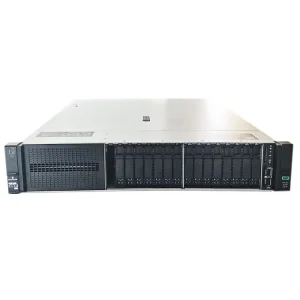
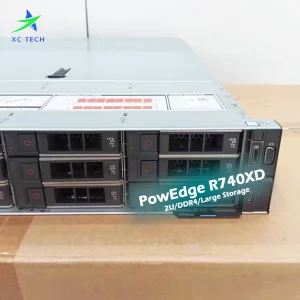
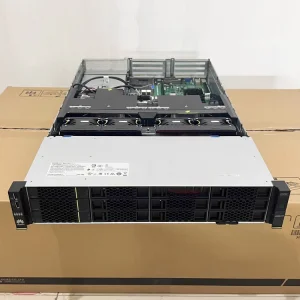
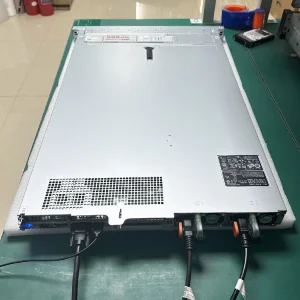
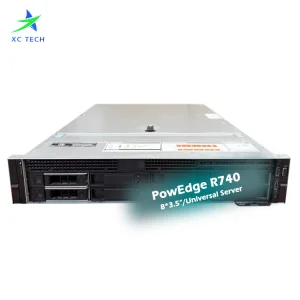
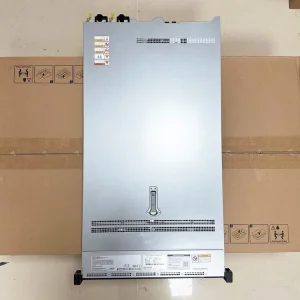
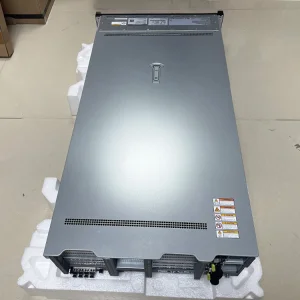
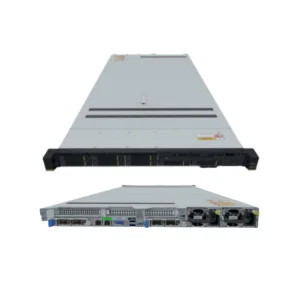
The global AI ecosystem has entered a mature phase driven by generative AI models like DeepSeek R1, DeepSeek V3, Llama 3, and Claude 3.5. These models, with parameter sizes scaling up to hundreds of billions, impose extreme compute, memory, and bandwidth requirements. Standard cloud setups are no longer sufficient. Enterprise systems require tailor-made physical hardware. OEM design ensures optimal balance between high thermal output and maximum signal integrity, avoiding CPU throttling and data packet loss.
Modern AI compute nodes are characterized by high-density GPU nodes and multiple dual-socket CPU hosts designed for low-latency interconnects (such as InfiniBand or RoCEv2). System designers focus on PCI Express (PCIe) Gen 5.0 and upcoming Gen 6.0 routing paths. This routing demands precise motherboard trace layouts and impedance controls. OEM partners are essential in optimizing BIOS/BMC code, designing custom chassis power supplies (often exceeding 1600W–3000W redundant capacities), and implementing robust thermal pathways. This ensures maximum server life and reliable performance in 24/7 commercial data centers.
Off-the-shelf general-purpose servers often underperform when handling specialized workloads. OEM customization adapts the hardware to specific technical environments:
Deploy localized LLMs (such as DeepSeek R1/V3) on secure enterprise premises. Minimizes external API latency, guarantees local data processing compliance, and avoids network dependencies.
Provides low-latency database queries using DDR5 ECC memory arrays and optimized FPGA accelerators. Accelerates fraud detection algorithms and real-time portfolio management.
High-density multi-GPU rack servers support fast processing of high-resolution 3D medical images. Enables near-real-time diagnostic assistance for medical imaging applications.
The development of high-performance AI servers depends on evolving standards in silicon density, thermal dynamics, and bus communications. OEM architectures are built to scale alongside these technology transitions:
Traditional air cooling is reaching its physical limits with current 700W+ GPU/ASIC profiles. OEMs are shifting toward hybrid liquid-to-air cooling systems and direct-to-chip (Cold Plate) liquid designs. This helps achieve Power Usage Effectiveness (PUE) ratios below 1.15 in hyperscale data centers.
Adopting Compute Express Link (CXL) technologies helps create unified memory pools between host CPUs and AI accelerators. This reduces serialization bottlenecks and improves processing speeds for massive parameter models.
Designing servers using modular hardware structures allows enterprises to hot-swap compute nodes, storage modules, and accelerator trays independently, reducing long-term maintenance costs and upgrade downtime.
China's manufacturing ecosystem provides major advantages for high-performance server assembly and deployment. In regions like Shenzhen, Suzhou, and Dongguan, all elements of the server supply chain are located close together. This includes raw copper clad laminates (CCL) production, high-speed multi-layer PCB design, sheet metal fabrication, power unit assembly, and advanced testing facilities.
This physical proximity streamlines the prototyping process. Engineering updates that might take weeks elsewhere can be completed in days. Additionally, advanced automated surface mount technology (SMT) lines ensure high precision for complex server boards. Combined with efficient local supply chains, China-based OEMs can reliably deliver customized server designs to global clients at a highly competitive total cost of ownership (TCO).
Deploying enterprise hardware globally requires strict adherence to international safety and emission standards. Reputable OEM partners ensure all systems carry certifications like CE, FCC, RoHS, and UL, verifying safety and environmental compliance.
Beyond physical hardware, security is critical. Specialized firmware, including customized UEFI BIOS and BMC (Baseboard Management Controller) systems, must be designed to resist remote exploits. Systems support secure boot protocols, TPM 2.0 cryptographic keys, and clean remote management channels. This allows IT teams to monitor and maintain hardware health securely without exposing the infrastructure to network vulnerabilities.
Our operations combine rigorous quality control standards with experienced export services. This ensures that customized hardware configurations arrive fully tested and ready to deploy in your datacenter environment.
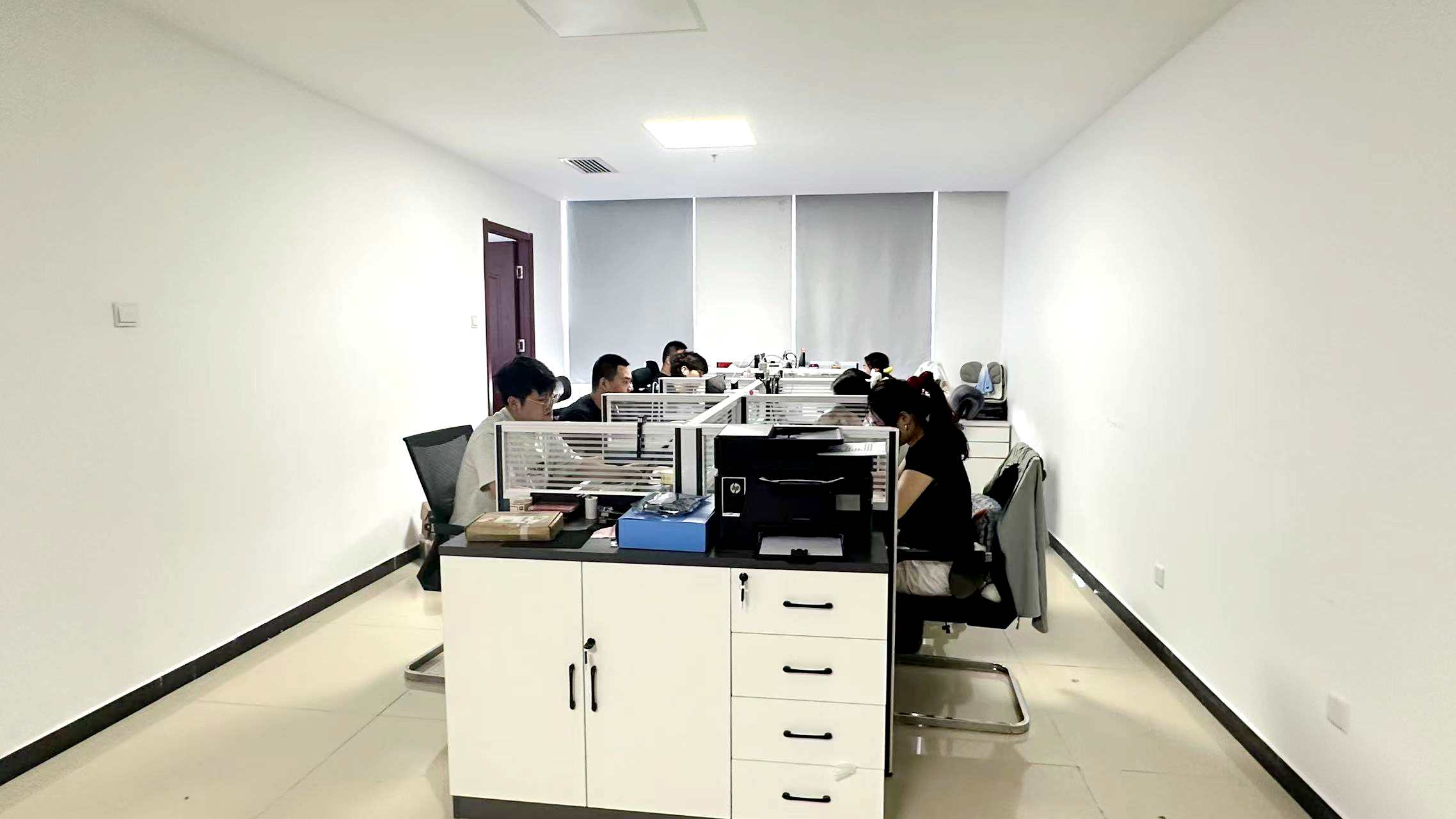
To maintain high performance in multi-GPU configurations, systems use redundant high-CFM counter-rotating fan walls alongside customized aluminum or copper vapor chamber heatsinks. For configurations running TDPs over 700W per accelerator, we offer Direct-to-Chip (D2C) liquid cooling solutions. These systems utilize dedicated water loop designs to keep temperatures stable under continuous compute loads.
We design motherboards using high-frequency, low-loss PCB materials (such as Megtron 6 or Megtron 7). We carefully route PCIe Gen 5.0 lanes to minimize signal attenuation and crosstalk. Active redrivers/retimers are integrated along the data path to ensure signal integrity across long traces. This design minimizes packet retransmission rates and maintains optimal transfer speeds between CPUs and GPUs.
Security starts at the firmware level. We support customized UEFI secure boot paths, hardware-enforced Trusted Platform Modules (TPM 2.0), and secure BMC firmware based on OpenBMC. Dedicated IPMI management channels are physically isolated, preventing unauthorized configuration changes at the hardware level.
Yes. Our server models adhere to EIA-310 standard 19-inch dimensions, making them fully compatible with standard datacenter racks. Rack-mount designs (1U, 2U, 4U, and 8U) include adjustable outer rails and cable management arms, ensuring straightforward physical integration.
Every system undergoes rigorous testing protocols before leaving the facility. This includes a 48-hour continuous burn-in test at elevated ambient temperatures, PCIe bus lane stress testing, memory diagnostics using gold-standard memory testers, and comprehensive physical inspection of all electrical joints.
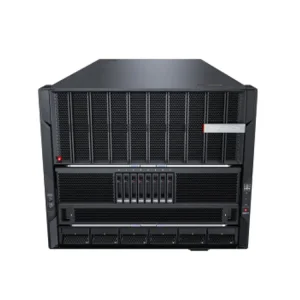
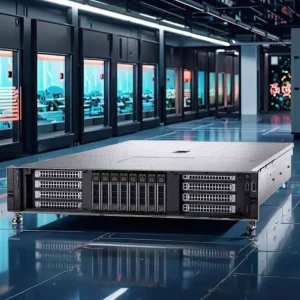
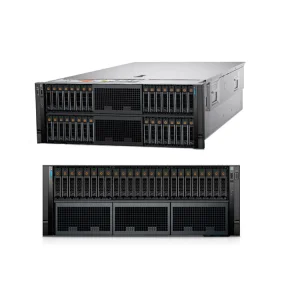
Select high-capacity storage servers and extreme GPU computation engines to scale out your current cluster capacity.
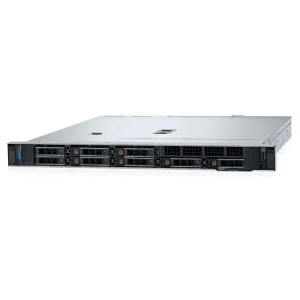
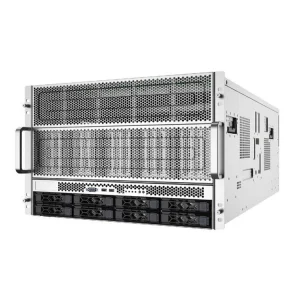
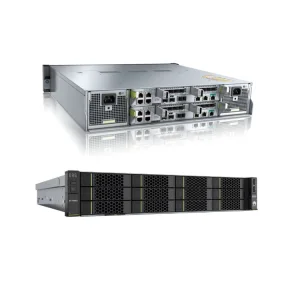
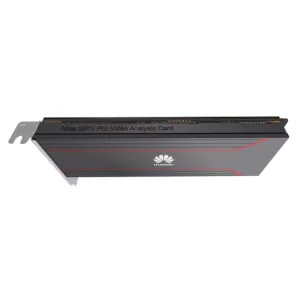
 Vertex AI Server