Explore our high-performance rack servers, AI infrastructure, and original storage arrays engineered for enterprise virtualization, databases, and intensive cloud environments.
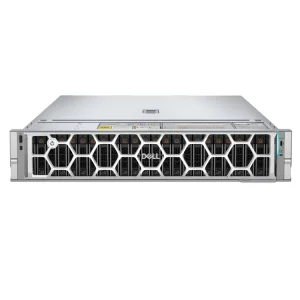
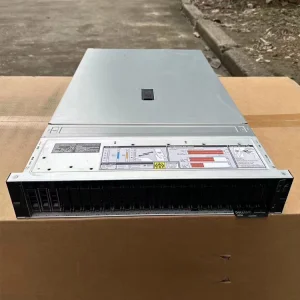
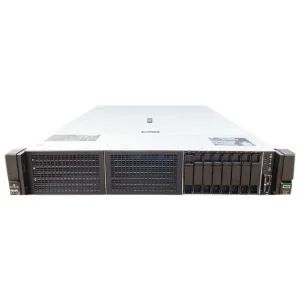
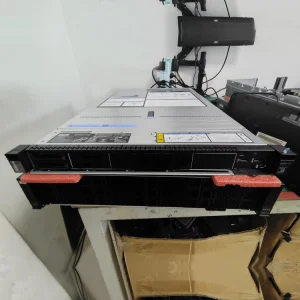
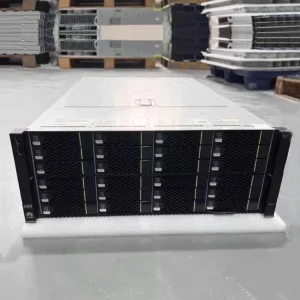
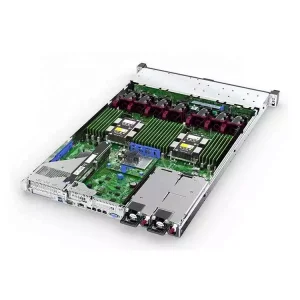
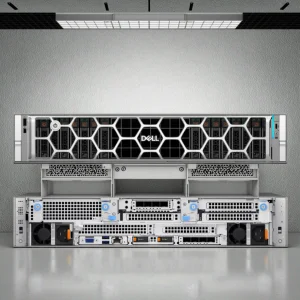
An expert exploration of xFusion's engineering benchmarks, hardware design logic, and performance virtualization features.
xFusion Systems employ Dynamic Energy Management Technology (DEMT) which continuously analyzes actual CPU usage workloads and intelligently dials down power supplies when resources are idle. This cuts operational costs (OPEX) in mega data centers by up to 15% without dropping packet performance.
The integrated Baseboard Management Controller (iBMC) provides hardware-level diagnostics, predictive fault monitoring (diagnosing PCIe, memory, and thermal anomalies before they impact the operating system), and seamless remote virtualization orchestration.
Designed for mission-critical operations, xFusion servers undergo extreme temperature cycling, vibration tests, and humidity stressors. Backed by 100% QA checks at the factory level, ensuring 99.999% system availability.
Modern cloud workloads demand hardware infrastructures that can scale horizontally without hitting bottleneck limits. Originally stemming from premium enterprise server R&D roots, xFusion Systems (incorporating the highly requested FusionServer 1288H V5/V6/V7 and FusionServer 2288H series) represents the cutting edge of x86 computing architecture. By balancing raw processing capability with thermal management optimization, these systems resolve the high densities required for AI inference, containerized microservices, and massive databases.
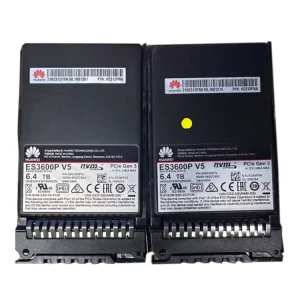
In contrast to standard components, wholesale xFusion systems leverage advanced architecture including high-density memory slots supporting DDR4 and DDR5 memory modules, ultra-fast NVMe PCIe storage configurations (such as the high-throughput Huawei ES3600P V5 NVMe SSDs), and robust CPU support ranging from Intel Xeon Scalable Processors to AMD EPYC architectures. This structural adaptability makes xFusion hardware the default standard for hybrid cloud environments looking to maximize computational density per rack unit.
Where xFusion platforms operate at peak efficiency across various business environments.
For organizations deploying intensive AI computing arrays (such as local deployments of DeepSeek or open-source LLMs), hardware stability is paramount. The xFusion 2280 series and 5288 storage servers are constructed with specialized PCIe slots designed to handle heavy compute cards. Their thermal layouts ensure continuous power delivery to GPUs and AI accelerators without thermal throttling, translating to uninterrupted training runs and zero packet drop latency.
The 4U 2-Socket systems like the FusionServer 5288 V5/V6/V7 offer massive storage density. These models are widely utilized in municipal databases, telecom records management, and video processing clusters. By utilizing tiered storage architectures (combining high-capacity SAS hard drives with high-speed ES3600P NVMe SSD cache layers), companies manage multi-petabyte datasets with ease.
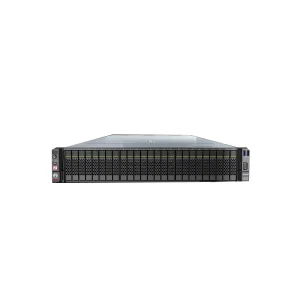
Cloud service providers rely on xFusion's 1U and 2U rack servers (such as the 1288H and 2288H families) for virtual machine hosting. With the capability to host dual Xeon Scalable processors and massive RAM banks, these servers support hundreds of virtual servers per chassis. The integrated remote out-of-band management makes maintaining cloud clusters across multiple geographic locations easy and secure.
For financial institutions and high-frequency trading platforms where latency is measured in microseconds, the incorporation of enterprise SSDs (such as the Huawei ES3600P V5 PCIe GEN4 SSD) directly into the bus guarantees blazing-fast input/output operations per second (IOPS). This setup solves read/write latency issues for high-throughput transactional databases.
Why sourcing server hardware from an established China wholesaler guarantees superior logistics and manufacturing advantages.
Every electronic component, from capacitors on the motherboard to the aluminum framing of the server chassis, features complete raw materials traceability. This guarantees parts consistency and high build quality for every shipment.
Our quality assurance protocol includes inspection of all products. Each server undergoes a comprehensive thermal and operational burn-in test before dispatch, eliminating dead-on-arrival (DOA) risks.
Leveraging 4 years of export experience, we handle customs clearance, export logistics, and shipping paperwork to minimize transit times to North America, Eastern Europe, and global ports.
Sourcing your hardware through a premier China wholesaler provides distinct financial and strategic advantages. Located close to raw materials suppliers and specialized chip manufacturers, our production lines maintain continuous output and high adaptability for customized configurations. Whether you require tailored CPU options, optimized RAM capacities, or custom storage combinations, our engineering support can assemble, test, and ship complete systems quickly and cost-effectively.
Data-backed transparency proving our capability, trade background, and adherence to quality control regulations.
Founded on 2021-08-27, we have grown into a reliable global supplier of enterprise computing hardware. With 4 years of exporting experience and an annual export revenue exceeding $1,180,000 USD, we serve a wide variety of clients including Brand businesses, Retailers, Engineers, Wholesalers, and Manufacturers.
Our main market reach includes Eastern Europe (20%), the Domestic Market (15%), and North America (10%). Our operations operate on strict quality standards, supported by a 100% inspection process overseen by qualified QA/QC inspectors. We guarantee that all raw materials are traceable and all shipped equipment meets strict international safety standards.
| Feature / Parameter | Status / Verification |
|---|---|
| Company Registration Date | 2021-08-27 |
| Annual Export Revenue (USD) | $1,180,000+ |
| Product Traceability Support | Yes, complete raw material tracking |
| Inspection Method | 100% Product Inspection (QA/QC) |
| Accepted Languages | English |
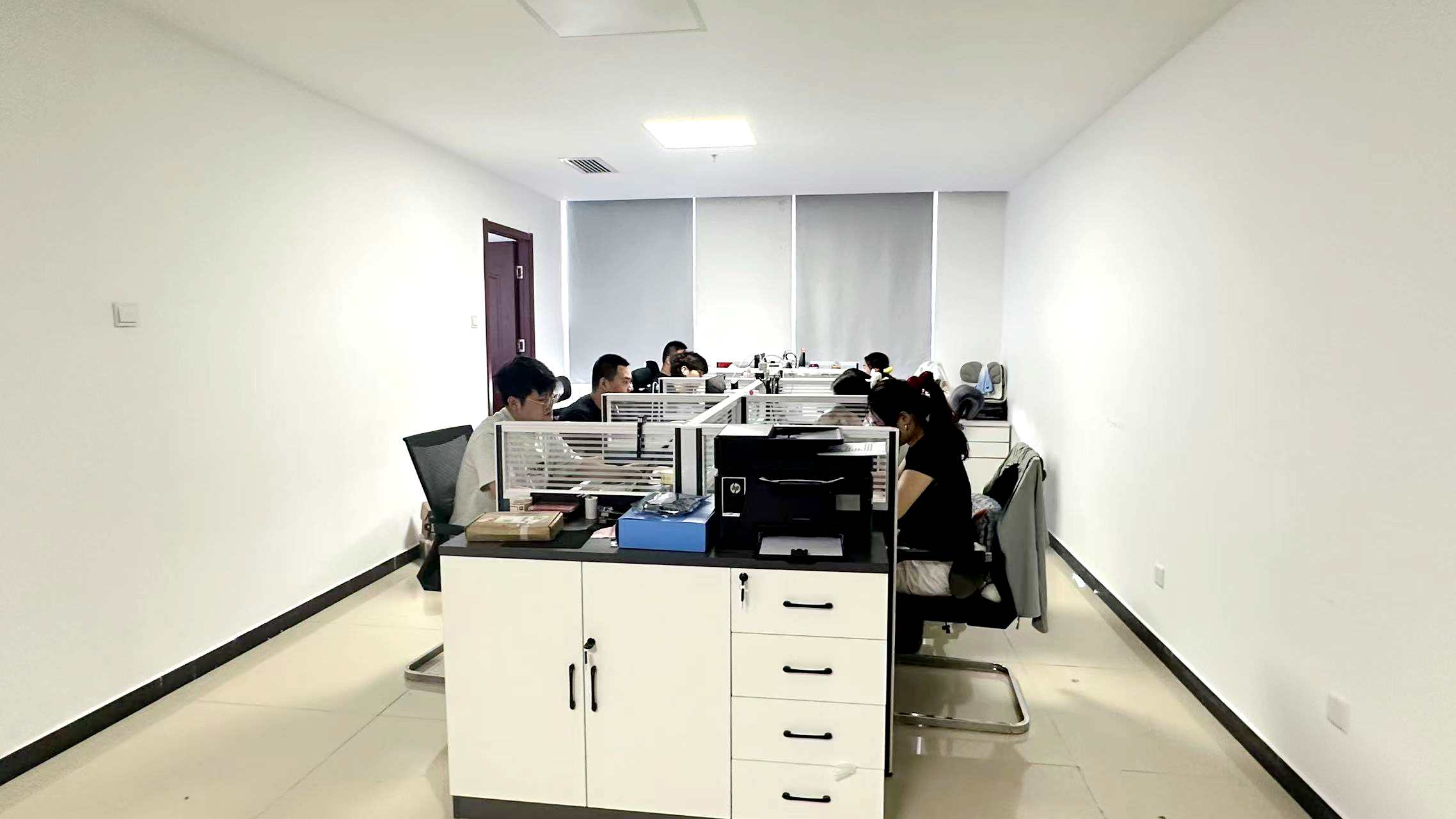
Aligning xFusion compute power with the next decade of AI growth, liquid cooling designs, and high-frequency architecture.
The latest generation of xFusion servers integrates support for PCIe 5.0 and DDR5 memory modules. This doubles the data bus bandwidth compared to previous V5 and V6 models, removing bottlenecks between the processors and storage devices.
To meet global carbon emission reduction goals, xFusion is introducing hybrid liquid cooling capabilities to their rack server chassis. These systems reduce cooling fan power draw, lowering server room noise levels and power bills.
With models like DeepSeek gaining worldwide attention, newer xFusion platforms are optimized to integrate modern GPUs and NPUs. This design allows for higher computing density per rack, reducing the hardware footprint needed for AI applications.
By investing in xFusion infrastructure, enterprises align themselves with a hardware roadmap that adapts to the demands of modern computing workloads. The ongoing evolution from the V5, V6 to the V7 FusionServer architecture ensures compatibility with future generations of processors and high-speed networking standards. Procurement managers can rely on these systems to provide reliable, scalable computing power for years to come.
How xFusion systems seamlessly integrate with components from Dell PowerEdge, HPE ProLiant, and Lenovo ThinkSystem in hybrid setups.
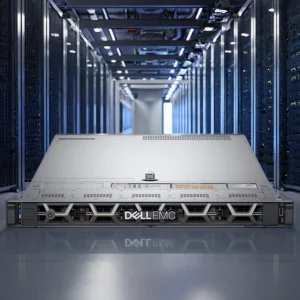
Many modern enterprise datacenters employ multi-brand strategies to avoid vendor lock-in and optimize budgets. Our inventory includes compatible systems from major brands, including the Dell PowerEdge R750/R760/R7725 series, HPE ProLiant DL380 Gen10, and Lenovo ThinkSystem SR630 V2/V3. xFusion platforms are designed with open compatibility standards, allowing them to integrate into existing server cabinets alongside other brands without configuration issues.
Furthermore, standard network architectures like Kubernetes, VMware ESXi, OpenStack, and Proxmox deploy smoothly across mixed server environments. This allows administrators to use xFusion systems alongside existing Dell, Lenovo, and HPE servers, managing the entire compute cluster via unified management tools.
Standard OCP (Open Compute Project) network adapter slots allow you to install the same network cards (such as Broadcom, Intel, or Mellanox cards) across all your servers, simplifying network management.
Standard U.2 NVMe SSD bays and SAS/SATA drives operate reliably across xFusion, Dell, HPE, and Lenovo chassis, simplifying spare parts inventory and drive replacement procedures.
Select the precise server models, configurations, and storage drives needed to expand your company's data infrastructure.
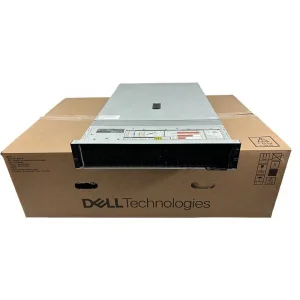
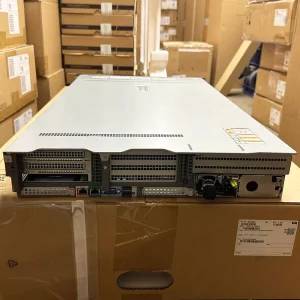
Get answers to common technical, logistics, and quality assurance questions about our xFusion enterprise hardware.
xFusion was originally established as a division of Huawei, managing the x86 FusionServer hardware line. In 2021, xFusion became an independent enterprise focused on x86 compute platforms, server solutions, and services. The brand continues to develop, manufacture, and support the popular FusionServer series, maintaining high quality standards and reliability.
We follow a strict 100% inspection standard on all hardware. Our in-house QA/QC team performs thorough testing, including full RAM testing, CPU load tests, storage read/write performance evaluations, and temperature check cycles. This process ensures that every server module arrives ready for immediate deployment.
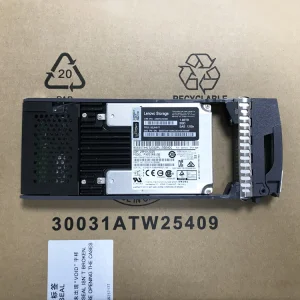
Although standard factory configurations are pre-defined, as a premier wholesale partner, we can configure units to meet specific server needs. We can modify CPU specifications, upgrade system memory using high-speed DDR4/DDR5 ECC RAM modules, and configure custom SSD storage layouts (using Huawei ES3600P NVMe SSDs or SAS SSDs) to align with your computing requirements.
Yes. We have over 4 years of export experience, serving key markets in Eastern Europe, North America, and other global regions. We handle export documentation, customs coordination, transport safety packaging, and coordinate with international shipping providers to ensure safe and timely delivery.
xFusion systems utilize the proprietary iBMC (Baseboard Management Controller) system. This dedicated management processor allows administrators to power cycle, monitor temperatures, access remote virtual consoles, and load ISO system images remotely, even if the primary operating system is offline.
 Vertex AI Server