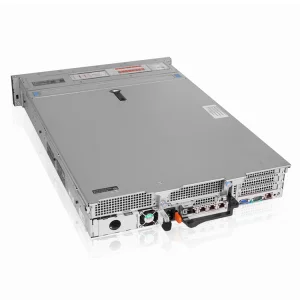
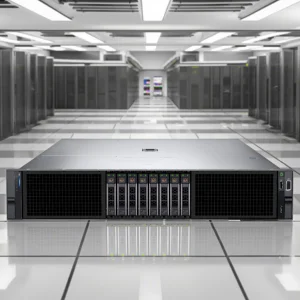
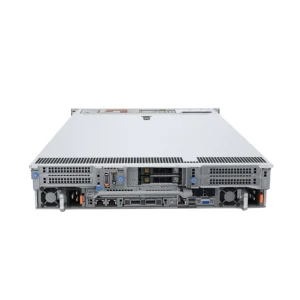
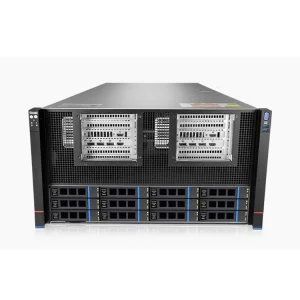
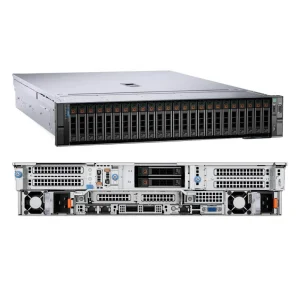
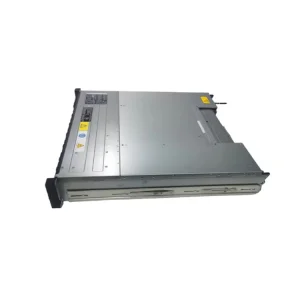
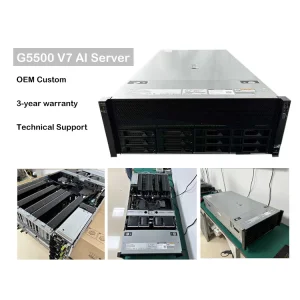
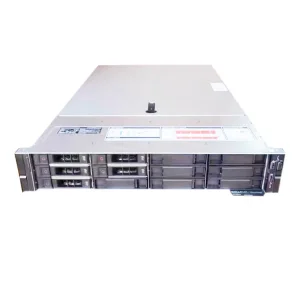
High-reliability compute nodes engineered for scale-out clouds, deep learning clusters, and virtualized database operations.
How bespoke architectural customizations are redefining server performance and data center efficiency on a global scale.
Global enterprises are moving away from monolithic hardware vendor lock-ins. Custom OEM server manufacturers provide geographical flexibility, allowing businesses to circumvent supply chain vulnerabilities, implement regional localization policies, and satisfy strict data governance frameworks.
OEM structures bypass rigid retail product lineups. By choosing to work directly with an experienced OEM manufacturer, organizations gain custom control over backplane architecture, cooling pathways, PCIe lane allocations, and BIOS/BMC custom configurations optimized for specialized SaaS databases.
Standard branded servers mandate short-cycled hardware replacements due to proprietary support agreements. OEM platforms allow cloud architects to extend product lifetimes, maintain hardware continuity over 5-7 years, and configure firmware that aligns with in-house kernel revisions.
Strategic directions shaping the hardware layers of next-generation digital transformation projects.
As workloads transition toward LLMs, DeepSeek architectures, and AI reasoning models, CPU-only designs are yielding to systems integrated with dynamic GPU arrays and AI accelerators (e.g., AMD 9005 platform, NVIDIA HGX, and Tensor Core layouts). Current OEM configurations balance multi-chassis power with high thermal envelopes.
With typical AI node rack densities exceeding 40kW, air cooling is hitting its physical limits. Custom OEM builders are embedding direct-to-chip liquid cooling manifolds, closed-loop liquid systems, and advanced phase-change thermal interface materials directly into standard 1U, 2U, and 4U enterprise server designs.
Next-generation PCIe backplanes require strict engineering tolerances. OEM customization allows custom impedance controls on motherboard traces to prevent signal attenuation under high-frequency operation, enabling full utilization of Compute Express Link (CXL) technologies for unified memory pooling.
Proven hardware topologies optimized for local clouds, municipal grid systems, and large enterprise datacenters.
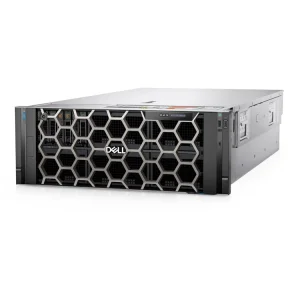
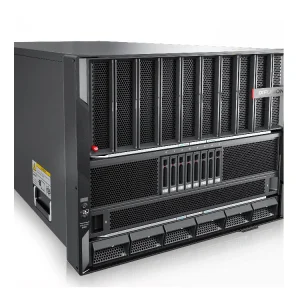
Tailored 4U systems with multi-GPU architectures (such as the PowerEdge R750XA or FusionServer G5500 V7) provide raw parallel computing performance required for seismic processing, molecular modeling, and astrophysics calculations at national labs.
Deployed inside edge stations, customized 1U/2U server racks with low acoustic footprint and particulate air filters enable real-time camera inference, manufacturing defect detection, and automated smart warehousing operations.
Engineered with AMD EPYC platforms to access ultra-fast PCIe Gen5 NVMe arrays, these systems process tens of thousands of database write operations per second with minimal queuing delay, making them ideal for fintech databases.
A projection of key architectural components governing server technology over the next 3 to 5 years.
The rapid convergence of high core counts (exceeding 128 cores per socket) and smaller manufacturing nodes demands a reimagined power delivery architecture. Our custom designs accommodate transient power peaks efficiently.
Remote infrastructure monitoring has moved beyond simple IPMI. Modern bare-metal infrastructures require secure root-of-trust architectures verified directly at boot level to prevent malicious firmware updates.
Transparent operating metrics, engineering compliance, and international trade footprint indicators.
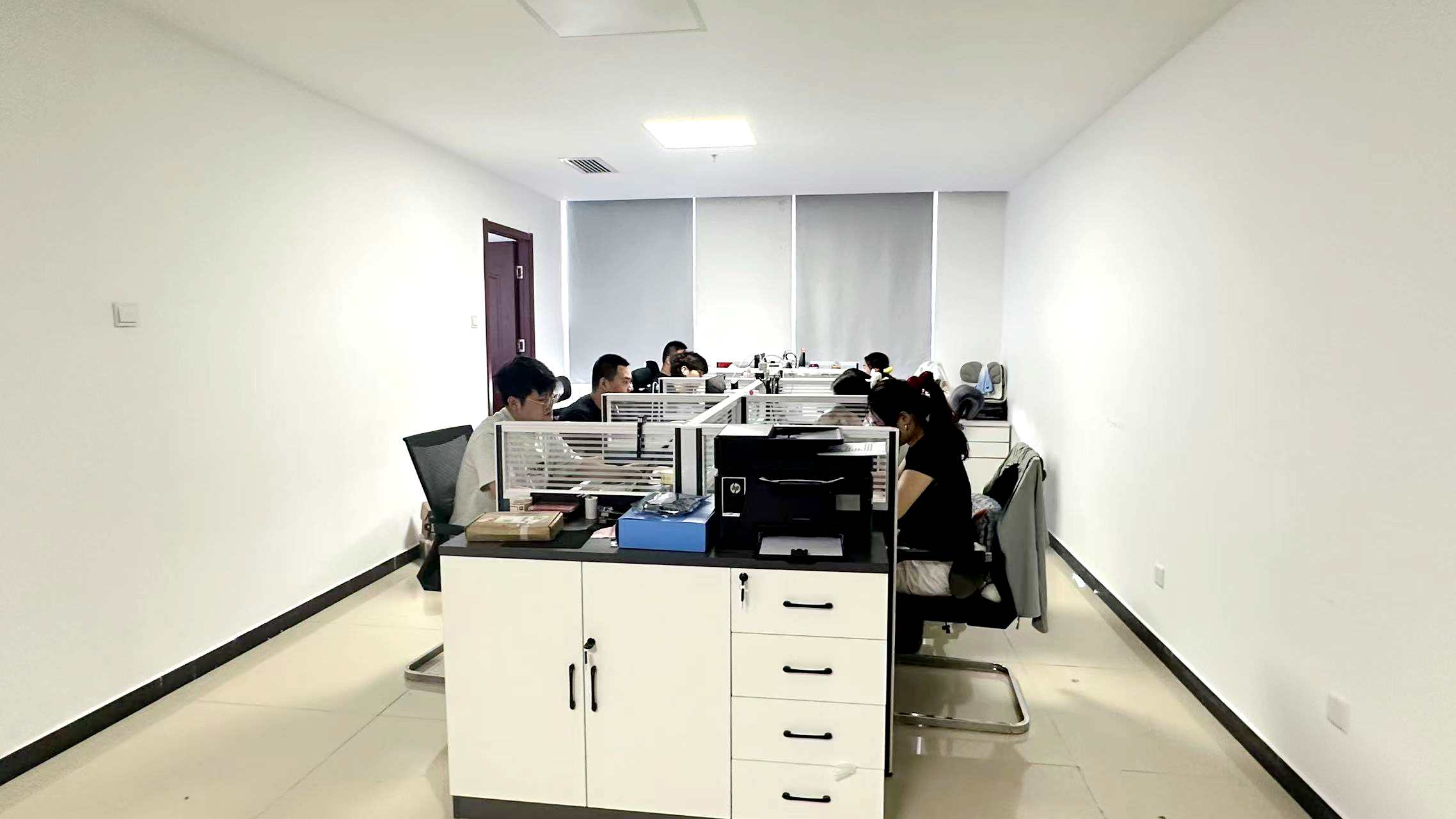
End-to-end hardware strategies tailored to meet specific industrial vertical demands.
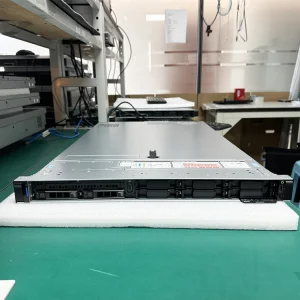
For cloud providers scaling their virtualization infrastructure, we supply standard high-density 1U/2U configurations. These units are configured with specialized storage backplanes to support intensive VM migrations while optimizing cabinet power usage.
We build customized dual-socket setups utilizing high-performance processors and extensive memory capacities to eliminate data retrieval bottlenecks. Fully integrated SAS/NVMe expanders allow smooth database clustering without the need for additional controller cards.
Engineered for high-intensity model training and neural network compute. We custom-configure GPU topologies with optimized PCIe physical distribution paths to reduce inter-card communication latency and maximize computing throughput.
Technical clarifications regarding OEM partnerships, hardware customizations, and delivery workflows.
Yes. As an OEM manufacturer, we support firmware customization. This includes custom BIOS logos, default PXE boot configurations, tailored thermal fan profiles, and custom IPMI/BMC interfaces to integrate cleanly into your existing deployment systems.
We maintain complete traceability of raw materials and system components. We conduct a 100% full inspection of all finished products. Each component (including CPUs, RAM, SSDs, and motherboard modules) undergoes serial number logging and extended thermal burn-in testing before shipment.
Yes, we serve clients globally, with our primary export markets in Eastern Europe (20%) and North America (10%). Our servers are compatible with standard international voltages (110V-240V) and ship with region-compliant enterprise power modules.
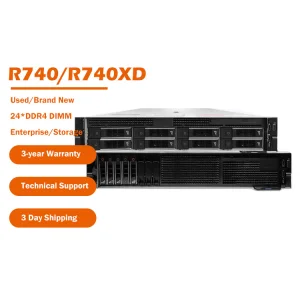
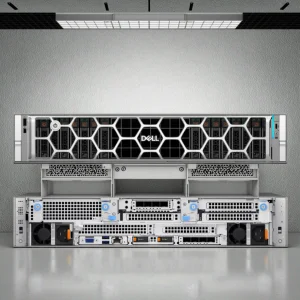
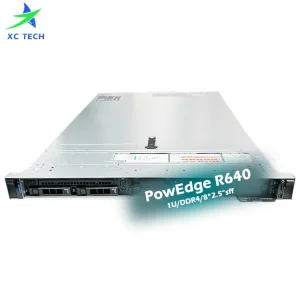
We support custom configurations built on leading global enterprise platforms, including Dell PowerEdge (e.g., R740, R750XA, R760, R960), Huawei FusionServer systems, and custom AMD EPYC white-box systems designed to match specific project requirements.
We design custom airflow guides, high-static-pressure cooling fans, and dedicated cooling channels. We also offer advanced liquid-cooling manifolds to prevent thermal throttling, maintaining stable performance under intensive AI training workloads.
Lead times depend on configuration complexity and stock levels. Many standard configurations are in stock for rapid dispatch. We provide warranties of up to 3 years on key components, with remote hardware troubleshooting and part replacement programs.
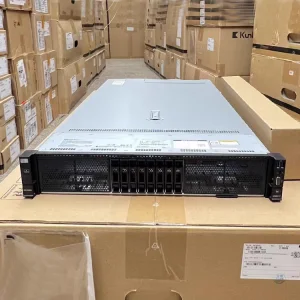
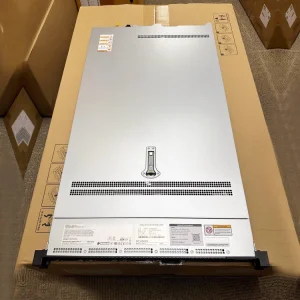
Additional high-performance systems and barebone rack solutions available for global shipping.
 Vertex AI Server