High-performance network appliance platforms engineered to power custom VPN stacks, secure routing, and database storage.
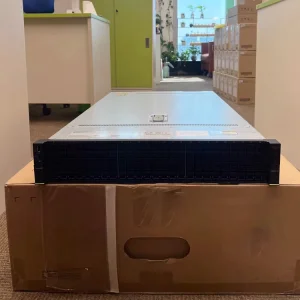
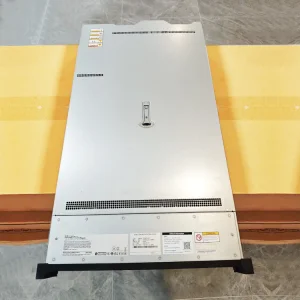
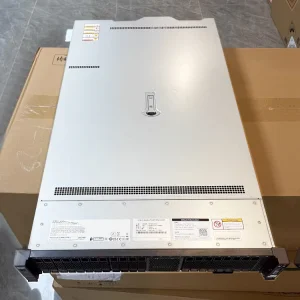
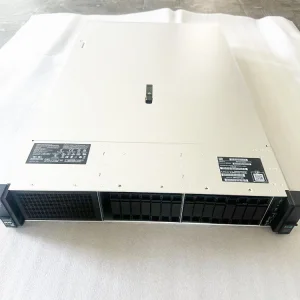
As cyber security environments shift toward Zero-Trust Network Access (ZTNA), the demand for high-performance hardware-accelerated VPN concentrators is at an all-time high. Software-based VPN processing on multi-tenant cloud platforms frequently encounters severe bottlenecks, latency jitter, and packet loss when decrypting massive streams of corporate data. Dedicated network appliances act as the physical anchor points of secure wide-area networks.
Our role as a Custom OEM VPN Factory & Supplier is to build physical platforms capable of routing multiple gigabits of encrypted IPsec, WireGuard, and OpenVPN traffic simultaneously. Utilizing hardware-level offloading technologies like Intel® QuickAssist Technology (QAT) and ARM® Cryptographic Acceleration, our appliances alleviate pressure on core system CPU cores, ensuring maximum throughput for large enterprises and remote workforces.
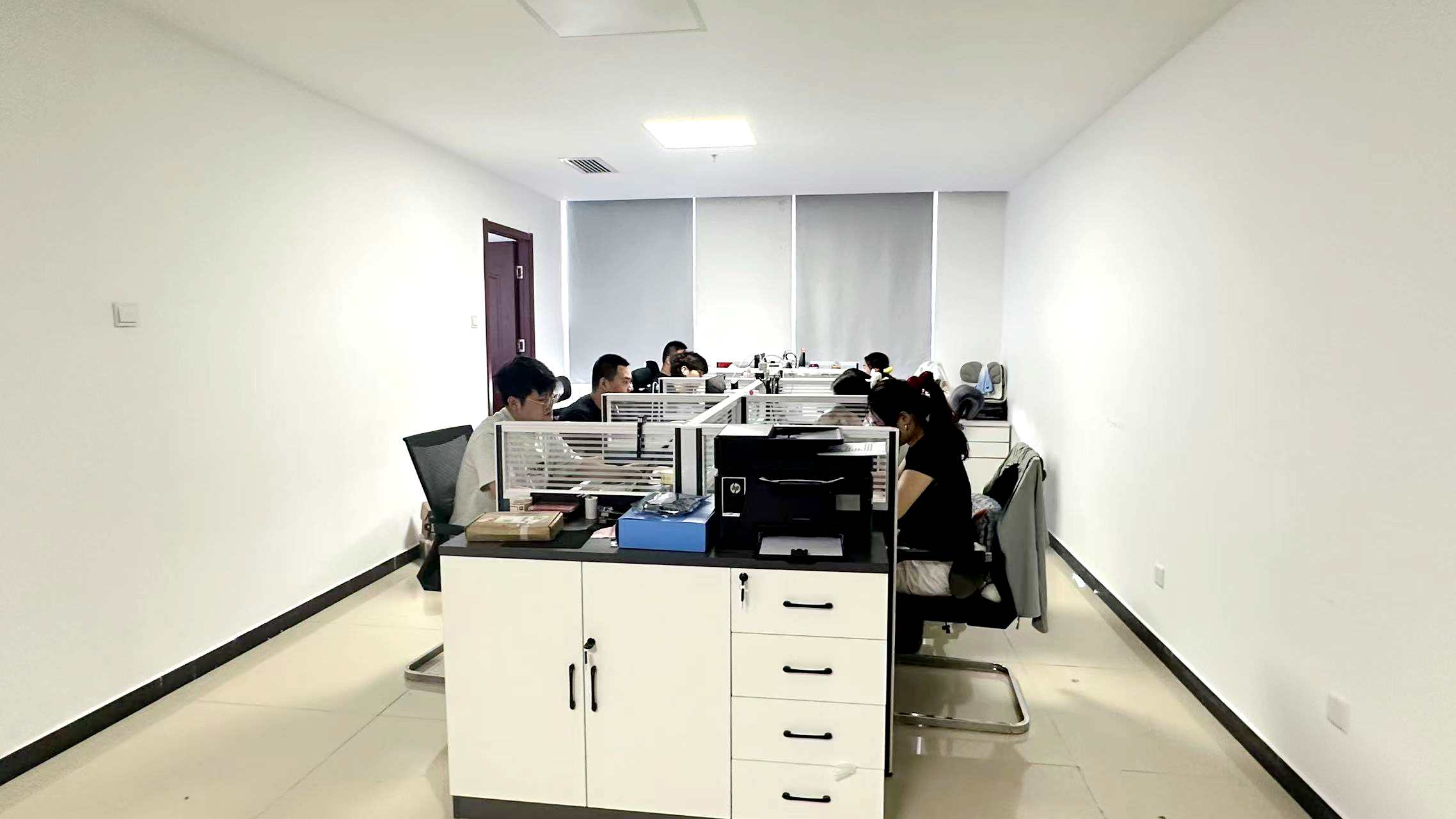
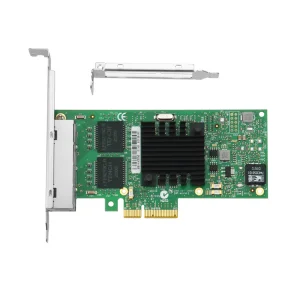
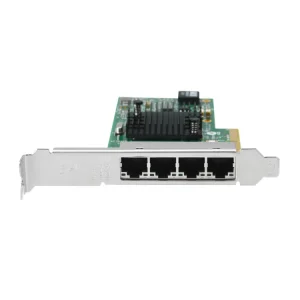
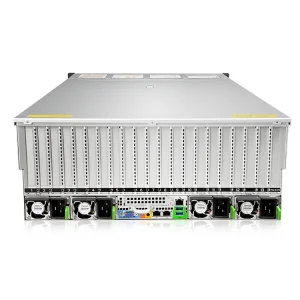
In the security space, generic white-box hardware configurations often fail under stress. True custom OEM systems allow organizations to precisely specify component matching for maximum MTBF (Mean Time Between Failures). For instance, deploying high-speed network interfaces like the Intel 10/25/100Gb Network Interface Card directly onto a multi-socket Intel Xeon or AMD EPYC server chassis enables high-bandwidth VPN concentrators to handle massive client concurrency.
Cryptographic operations (such as AES-GCM or ChaCha20-Poly1305) require substantial processor cycles. When you operate a corporate network with 10,000+ simultaneous VPN tunnels, standard processors without optimized instruction sets will quickly hit 100% CPU utilization. By optimizing the system to leverage PCIe-based network accelerators, processing pipelines are optimized directly at the hardware layer, scaling up to 100Gbps without dropping packets.
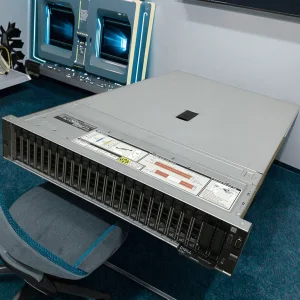
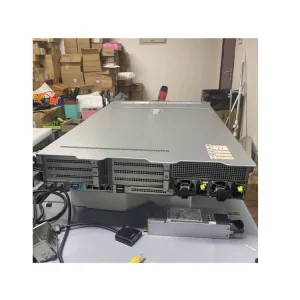
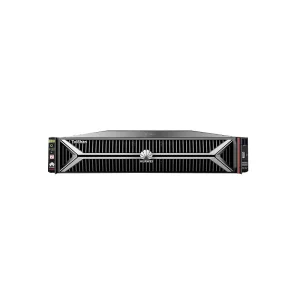
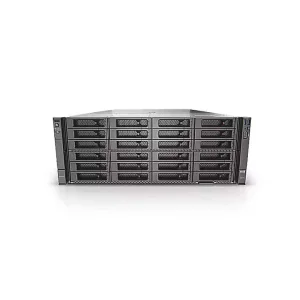
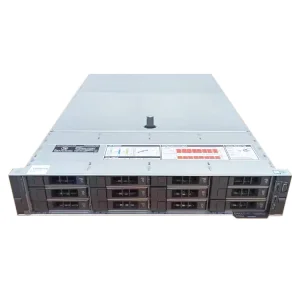
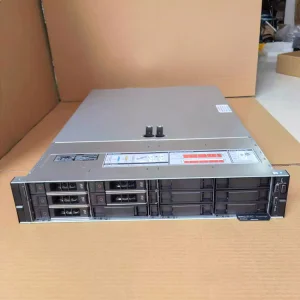
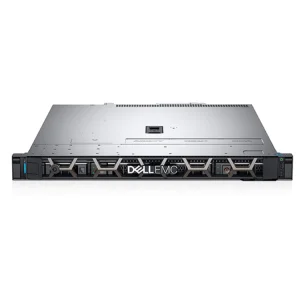
Operating a specialized network security assembly and sourcing facility in China allows us to leverage unparalleled industrial ecosystems. The density of raw component suppliers, localized PCB fabrication, and high-quality assembly pipelines mean we can customize and ship complex server systems rapidly. Our facilities implement a stringent 100% QA/QC inspection protocol. Whether sourcing specialized Huawei Taishan servers utilizing Kunpeng 920 processors, or custom 2U Dell PowerEdge chassis, every hardware unit undergoes rigorous burn-in tests to guarantee component reliability before deployment overseas.
| Hardware Platform Type | Recommended Processor Configuration | Network Controller Options | Ideal Security Application |
|---|---|---|---|
| High-Density Concentrator | Intel® Xeon® Scalable / AMD EPYC™ | 25GbE / 100GbE QSFP28 (Intel E810/XXV710) | Centralized Corporate HQ / Hybrid Cloud Gateway |
| ARM-Based Edge | Huawei Kunpeng 920 (Taishan 200Pro) | 10GbE / 25GbE SFP+ (Integrated / PCIe) | Localized Regional Offices / Zero-Trust Node |
| 1U/2U Branch Router | Intel® Xeon® Bronze / Silver Series | 4x 1GbE / 10GbE RJ45 & SFP+ (Intel I350/X520) | Mid-size Enterprise Branch Gateway / SD-WAN CPE |
Hardware roots of trust (TPM 2.0, Secure Boot) prevent unauthorized local modifications to the underlying BIOS or boot loader, preserving network integrity.
Pre-tested and fully compatible with leading routing distributions, enterprise firewalls (pfSense, OPNsense, VyOS), and proprietary Linux kernel stacks.
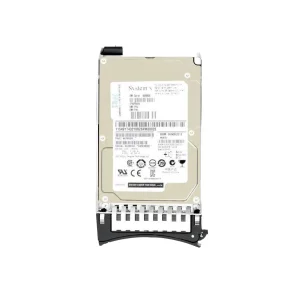
Every component, from the server chassis down to individual controller chips and hard drives, is tracked via our raw material traceability system.
How global enterprises, data centers, and specialized integrators configure our bare-metal infrastructure.
Global corporations operating across multiple continental hubs require low-latency tunnels for real-time collaboration. Deploying 2U high-density rack servers as regional SD-WAN orchestrators allows them to handle continuous traffic shifting, dynamic routing protocols, and QoS policies without experiencing processing latency.
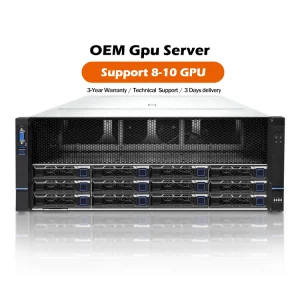
With the rapid development of AI frameworks, models are often trained on large clusters requiring remote data ingest. Utilizing GPU-accelerated server platforms (such as Gooxi AMD EPYC platforms) combined with high-bandwidth cryptographic networking allows deep learning engines to download large datasets through encrypted pipelines securely.
The next major challenge in cyber security is the rise of quantum computing. Legacy cryptographic algorithms like RSA will eventually yield to post-quantum cryptography (PQC). Quantum-safe algorithms require significantly larger key sizes and more processing memory. Upgrading to high-capacity processing nodes (like Intel Xeon Scalable or Huawei Taishan servers) guarantees that physical VPN devices have the computing power required to implement these next-generation PQC protocols without requiring complete physical hardware replacement.
Key technical answers for procurement managers, network engineers, and system integrators.
Maximize your security gateway nodes with high-speed network interfaces, database storage arrays, and GPU computing nodes.
 Vertex AI Server