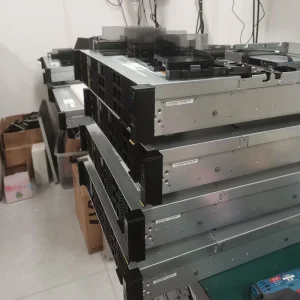
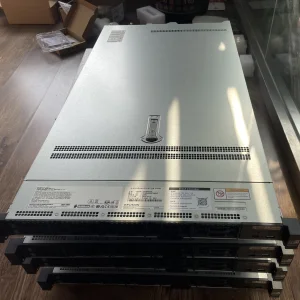
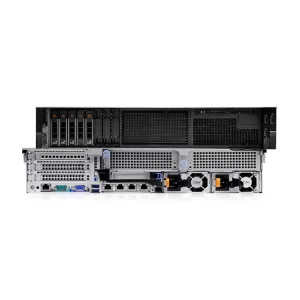
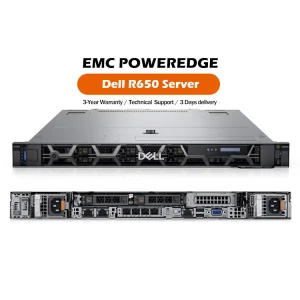
High-performance rack servers designed to orchestrate and scale mission-critical collaborative software applications, enterprise resource platforms, and real-time database loads.
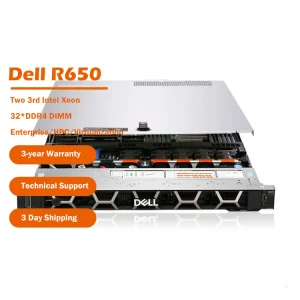
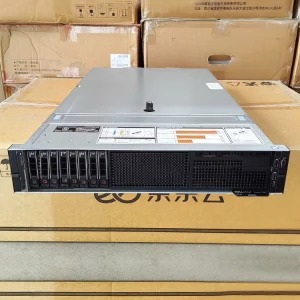
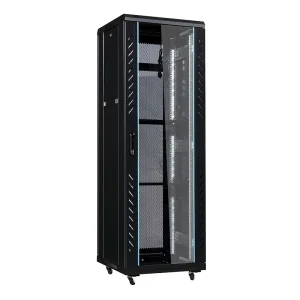
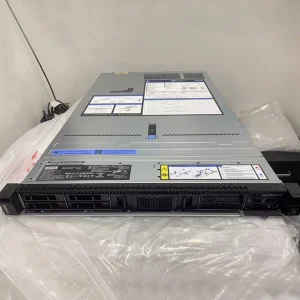
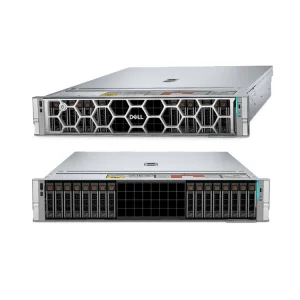
How high-availability enterprise servers lay the foundation for real-time collaboration, CAD rendering, video conferencing, and multi-tenant databases.
Modern collaborative applications (such as CAD synchronization, project management hubs, and real-time remote editing environments) require immense backend compute. It is no longer viable to rely solely on public clouds due to bandwidth costs and strict data laws. Modern enterprises are employing custom OEM/ODM hardware stacks deployed in local cabinets to guarantee low-latency synchronization and strict compute separation.
As a leading hardware integration provider, we supply the raw computational engine—rack-mount servers utilizing advanced x86 and AMD EPYC platforms—that enables software vendors and systems integrators to host and distribute their collaboration systems with robust reliability.
Collaborative tools require thousands of parallel read/write cycles to synchronize databases across various global nodes. The hardware layer must support:
Render complex 3D blueprints and engineering data collaboratively without rendering delays by leveraging massive parallel processing.
Host local file storage and document sharing infrastructures that secure sensitive files within your physical boundary limits.
Deploy secure communication, chat, and voice servers close to your branch offices to optimize latency and regional data residency.
Analyzing supply chains, market needs, and high-performance server architectures configured to satisfy international engineering environments.
The global enterprise collaboration market is experiencing a significant shift back to dedicated private and hybrid cloud topologies. Organizations in high-security verticals—such as financial software development, defense engineering, and specialized aerospace manufacturing—require that their collaboration systems run on hardware platforms they fully audit, manage, and secure.
This creates a critical demand for scalable 1U and 2U rack servers. By integrating standardized platforms from leading x86 brands like Lenovo, Dell, and xFusion, we supply international integrators with the baseline hardware reliability they need to power custom collaborative platforms globally.
Different regions present unique integration requirements:
Delivering high-reliability computing equipment backed by transparent business practices, full material traceability, and comprehensive inspection protocols.
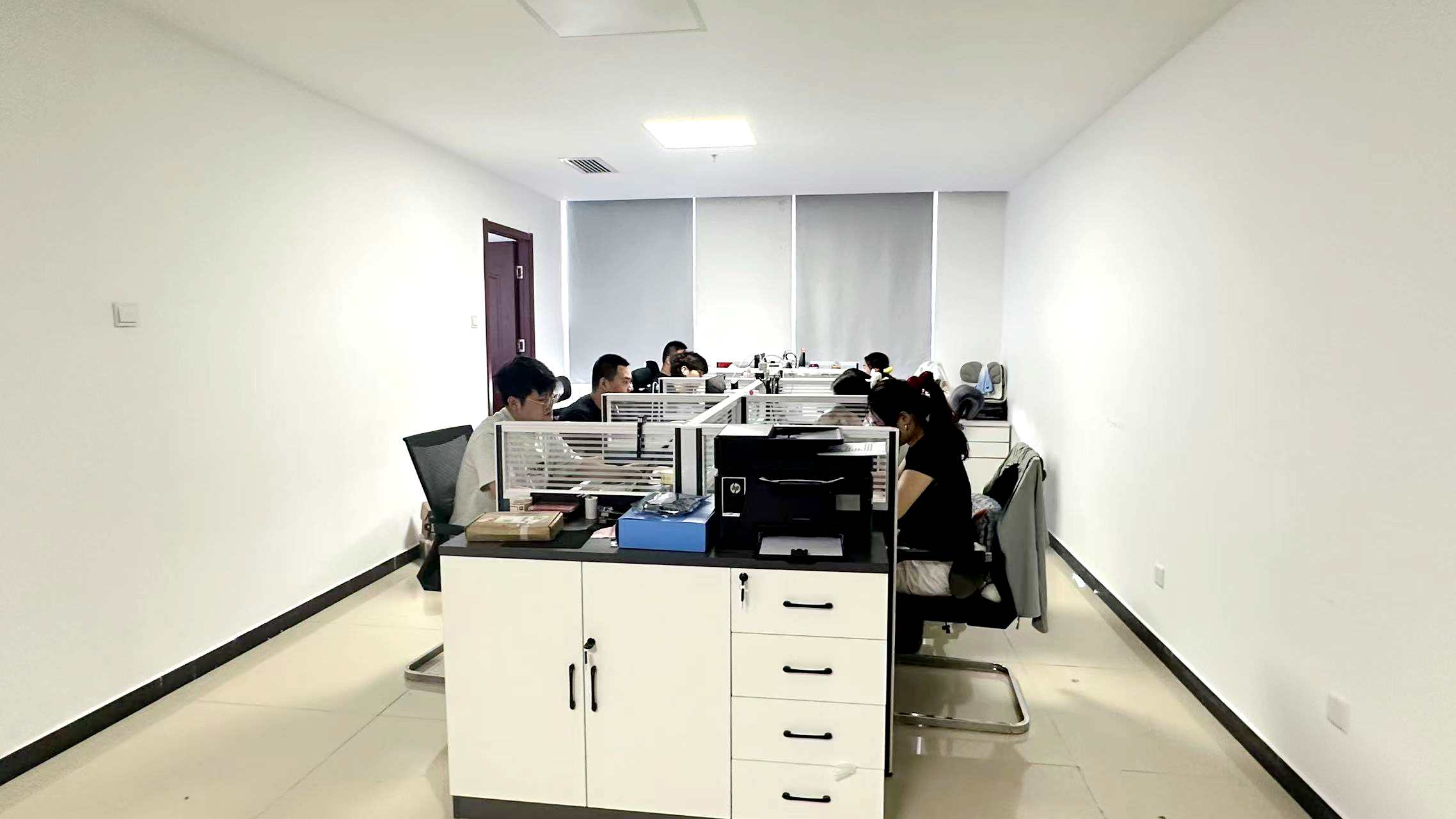
In accordance with the highest standards of Google's Search Quality Rater Guidelines, we maintain transparent operations. Established in 2021, our integration center ensures that all systems deployed for enterprise collaboration platforms undergo a rigorous, fully documented quality assurance procedure.
While our hardware configurations utilize industry-standard rack designs to guarantee global compatibility and maintenance, we offer full tracking of our components, ensuring raw material reliability and physical hardware integrity.
How hardware platforms are evolving to support the next generation of cloud-native collaboration applications, AI assistance, and high-performance server configurations.
As collaborative tools evolve from basic project management boards to real-time generative workspaces, server architectures must process multi-threaded data layers seamlessly. Next-generation x86 servers offer up to 128 cores per socket. This provides the processing capacity needed to run multiple virtual machines on a single physical host, lowering overhead for enterprise environments.
Additionally, the integration of PCIe Gen5 and DDR5 memory modules ensures that database queries, chat logs, and real-time edits are processed with minimal latency, regardless of the workload scale.
Modern productivity tools increasingly embed AI assistants (such as local code generators, writing assistants, and chat summaries) directly into their architectures. Hosting these features requires dedicated local hardware platforms to prevent cloud costs from scaling unsustainably.
By deploying 2U rack servers equipped with high-efficiency power supplies and optimized thermal designs, organizations can host local inference models directly within their private network cabinets. This secures proprietary operational data while maintaining immediate system response times.
Navigating complex international regulations and data security standards through verified physical server architecture configurations.
For organizations operating in Eastern Europe, North America, and other regulated markets, storing collaborative workspace files in public cloud architectures can present significant compliance challenges. Sensitive communications, product designs, and corporate strategies must remain under strict control to satisfy audits.
By hosting data on dedicated physical server hardware installed in local cabinets (such as our 42U and 32U network racks), systems engineers can enforce strict hardware-level data isolation. This allows organizations to comply with GDPR, HIPAA, and industry-specific security certifications by keeping data physically locked within regional boundaries.
Managing remote branch deployments of collaborative tools requires robust remote monitoring capabilities. Standardizing on systems with integrated out-of-band management controllers (such as Dell iDRAC, Lenovo XCC, or xFusion iBMC) allows administrators to:
Detailed technical answers to help IT directors, systems architects, and purchasing teams specify their hardware deployment configurations.
1U and 2U rack servers are designed for high-density integration within standard server cabinets. This configuration maximizes compute capacity per square meter of data center space, improves airflow management, and allows you to consolidate power and networking connections. It also simplifies the deployment of redundant configurations, protecting collaboration tools from physical single points of failure.
Our quality control protocols support full component traceability. This ensures that memory modules, processing units, and storage drives are sourced from verified supply chains. This process helps eliminate counterfeit components, guarantees that security patches can be applied at the firmware level, and ensures that hardware performs reliably over its operational lifetime.
Our network cabinets feature integrated monitoring options to track ambient temperature, power draw, and airflow conditions. This lets you identify potential issues before they cause system downtime, ensuring that collaborative tools and file sharing networks remain available for team members around the clock.
We deliver standardized hardware platforms from leading international brands (such as Dell, Lenovo, and xFusion). By supplying standard configurations, we ensure that you can easily source replacement parts and utilize global support networks. This approach also guarantees that the hardware remains compatible with standard virtualization tools, operating systems, and deployment software without requiring custom drivers.
AMD EPYC processors generally offer higher core density per socket and larger L3 cache configurations. This makes them highly effective for massive virtualization and heavy parallel processing workloads. Intel Xeon processors provide strong single-core clock speeds and specialized instruction sets (such as Intel AVX-512 and AMX), which accelerate specific tasks like artificial intelligence inference and cryptographic operations.
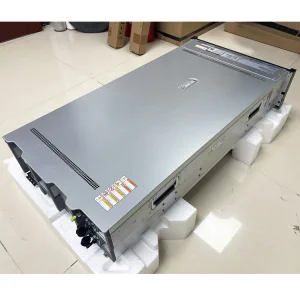
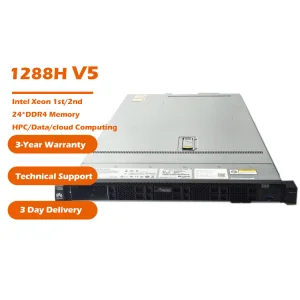
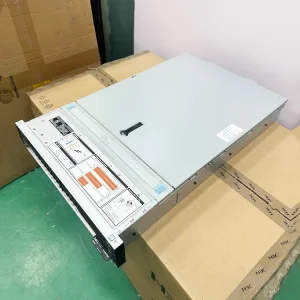
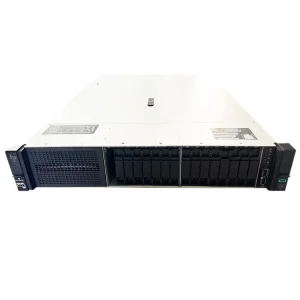
High-reliability compute components configured to support high-density databases, file servers, and virtualization environments.
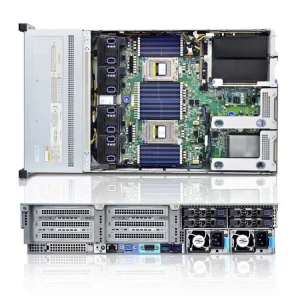
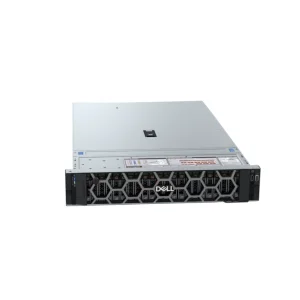
 Vertex AI Server