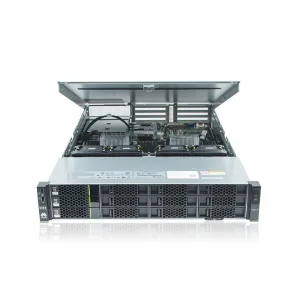
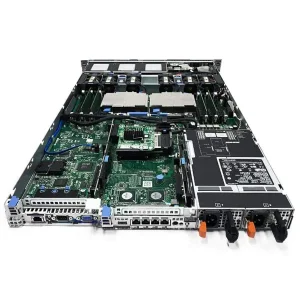
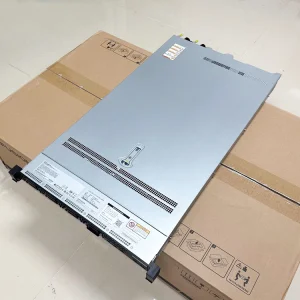
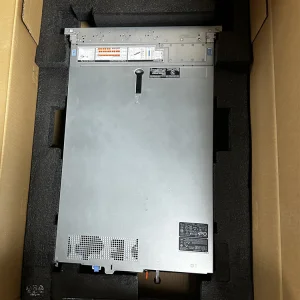
High-throughput server nodes and storage network architectures engineered for hot/cold data backup tiers, AI training pipelines, and robust system virtualization.
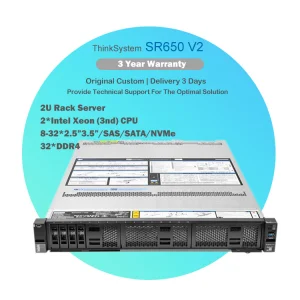
An authoritative exploration of data redundancy infrastructure, computational storage integration, and industrial-scale OEM/ODM provisioning frameworks.
Modern data protection demands immutable storage mechanisms to safeguard critical system states against sophisticated ransomware payloads. Our hardware architectures support root-of-trust validation and air-gapped array configurations to guarantee rapid point-in-time recovery.
Utilizing high-bandwidth PCI Express lanes alongside customized array controllers (e.g., LSI Logic host bus adapters), our custom server nodes maintain sustained write speeds during massive daily incremental data dumps.
By implementing hybrid network attached architectures with high-density mechanical SAS hard drives alongside blistering fast NVMe caches, operational costs are minimized while meeting strict RTO (Recovery Time Objective) and RPO standards.
The global enterprise data volume is expanding exponentially, driven by internet of things (IoT) edge telemetry, generative AI model training checkpoints, and complex ERP systems. Consequently, the reliance on robust OEM/ODM Data Backup Manufacturers has risen to a critical operational standard. Enterprises are no longer looking at backup as a simple secondary storage repository; rather, it is viewed as an active cyber recovery environment. In regions like North America and Western Europe, regulatory frameworks including the EU’s General Data Protection Regulation (GDPR) and the Network and Information Security Directive (NIS 2) legally mandate rigorous disaster recovery readiness.
This regulatory shift has catalyzed a global transition from consumer-grade NAS boxes to high-density, multi-socket rack-mounted servers equipped with hardware redundancy. Infrastructure buyers require customizable bare-metal servers designed to interface with software-defined storage (SDS) protocols such as Ceph, TrueNAS, and Veeam. For instance, high-core processors like the Intel Xeon Gold series and dense memory structures are utilized to run resource-heavy inline deduplication algorithms directly on the storage gateway.
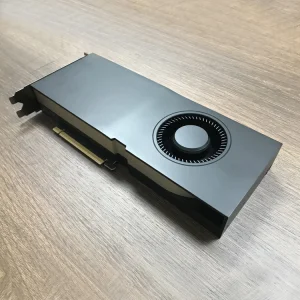
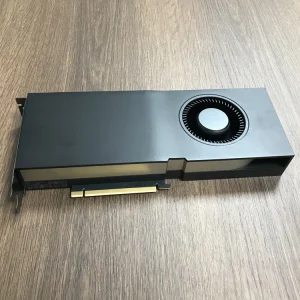
Modern data centers are actively dealing with unstructured files that are difficult to manage using traditional linear deduplication techniques. The industry is currently pivoting toward AI-powered compression models, which dynamically evaluate incoming streams and route them to optimal physical tiers. This optimization requires massive parallel computational capability, which explains the integration of professional workstations equipped with specialized GPU modules like the NVIDIA RTX 5000 Ada.
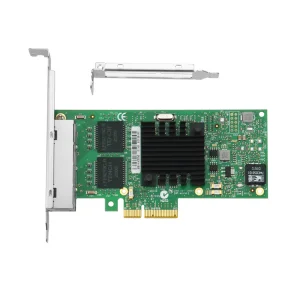
Furthermore, network bottlenecks are being mitigated through the deployment of ultra-high-speed network interface cards (NICs). Transitioning from standard gigabit interfaces to 10Gb, 25Gb, or even 100Gb Intel server adapters (such as the I350-T4v2 and newer PCIe gen4/5 cards) ensures that multiple backup streams do not saturate the primary corporate LAN. This high-throughput model allows companies to perform continuous data protection (CDP), taking snapshots every few seconds without disrupting active transactions.
How custom server configurations are deployed across critical market sectors to secure operational integrity.
Every industry operates under distinct data handling requirements. As an OEM/ODM provider, our hardware builds target the specific compliance and performance benchmarks of each vertical:
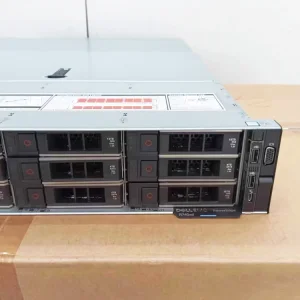
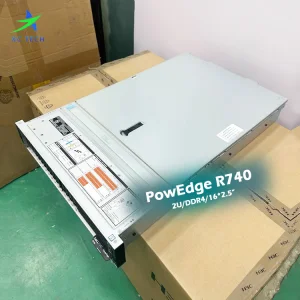
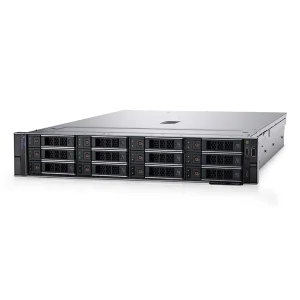
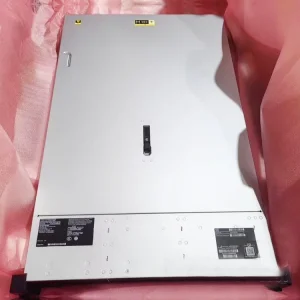
Reliability is the cornerstone of disaster recovery storage. Procuring hardware elements requires a deep focus on sourcing standards and manufacturing compliance. Many global enterprises utilize a mixed procurement strategy containing brand new systems alongside certified refurbished gear. Utilizing high-quality refurbished server blocks like the HPE ProLiant DL380 Gen10 or classic Dell PowerEdge R740 nodes offers a sustainable way to scale backup target spaces while maintaining premium hardware validation.
Every unit exported undergoes a stringent quality control cycle, including component level validation, burn-in thermal testing, memory diagnostics, and storage bus load checks. This ensures that when our partners unpack our custom hardware at their destination datacenter, the systems execute without failure.
A transparent overview of our operational capacities, export metrics, and quality assurance framework.
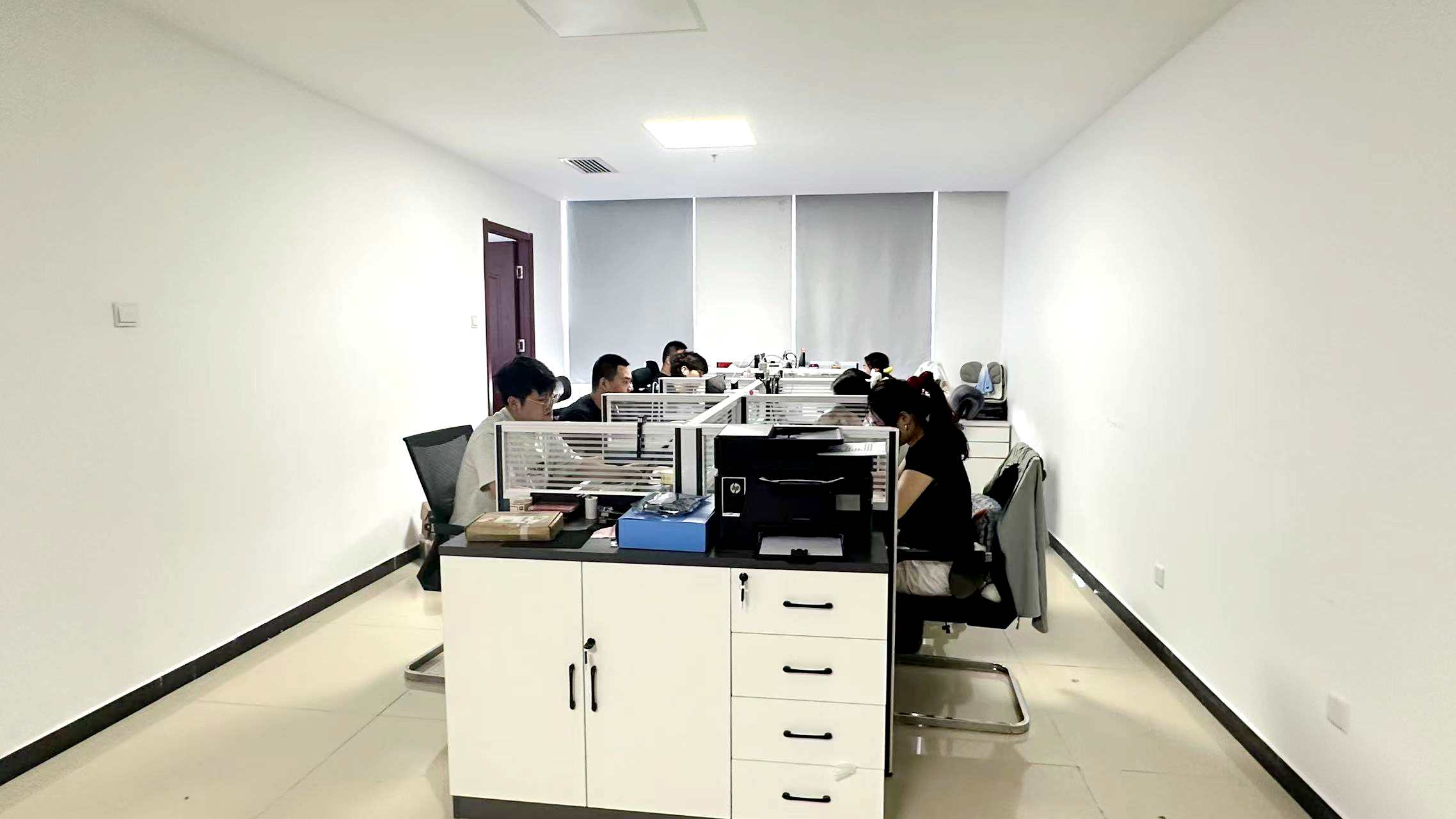
Operating with a lean, quality-focused configuration, we specialize in customizing rackmount server systems, networking cards, and graphics cards tailored for global IT distributors, retail networks, and system integrators. By enforcing a 100% inspection protocol, we eliminate DOA (Dead On Arrival) risks and deliver reliable storage nodes.
| Registration Date | 2021-08-27 |
| Facility Floor Space | 160 ㎡ |
| Annual Export Revenue | $1,180,000 USD |
| Main Export Markets | Eastern Europe (20%), Domestic Market (15%), North America (10%) |
| Quality Control System | 100% full inspection of all products by dedicated QA/QC inspector |
| Accepted Languages | English |
| Export History | 4 Years in industry and global exporting |
Navigating the next generation of data ingestion, security, and hardware virtualization technologies.
The introduction of PCIe Gen 5 on current generation servers (like Dell PowerEdge R760xs or Lenovo ThinkSystem V3 ranges) has eliminated long-standing storage controller bottlenecks. Future OEM/ODM backup platforms will natively utilize NVMe-oF, allowing storage nodes to be pooled over Ethernet networks at latency levels mimicking direct-attached storage. This transition will yield a 300% write speed increase over older SAS architectures.
As security requirements intensify, inline encryption of active backups becomes necessary. By utilizing SmartNIC DPUs (Data Processing Units), the task of data encryption and decryption is entirely offloaded from the host CPU. Our developmental pathway integrates these DPUs directly into custom server arrays, protecting client assets against physical tap-attacks and hardware-level intercept attempts.
Our roadmap is committed to continuous optimization, ensuring that the hardware configurations we supply remain compatible with upcoming enterprise software environments, security protocols, and high-density storage drives.
Critical technical insights regarding OEM/ODM server deployments and data backup architectures.
Explore our full inventory of servers, workstation GPUs, and high-performance interconnect adapters designed to reinforce enterprise environments.
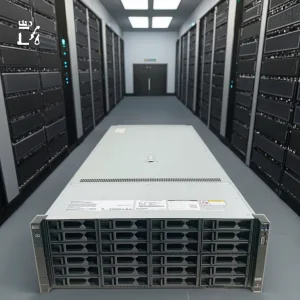
 Vertex AI Server