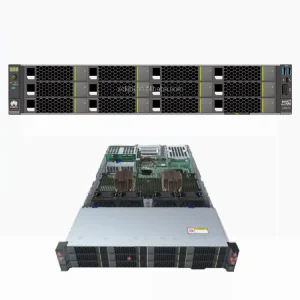
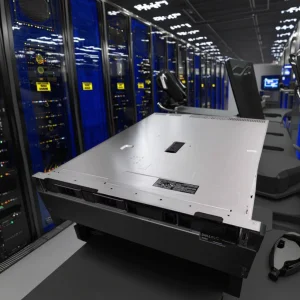
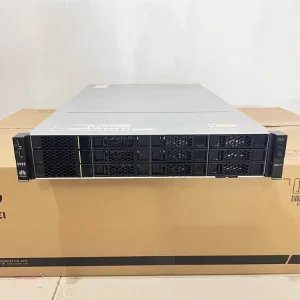
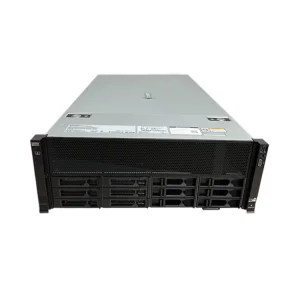
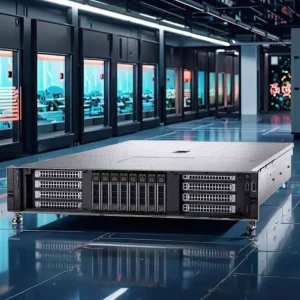
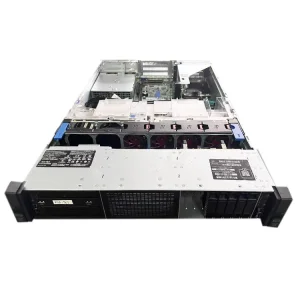
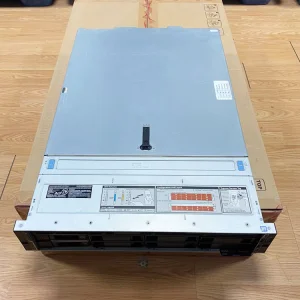
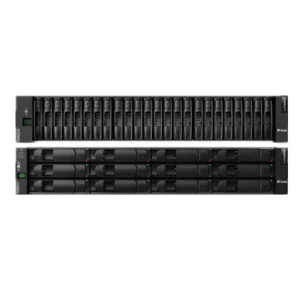
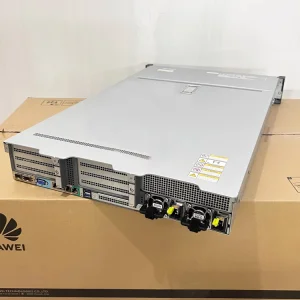
High-capacity systems serving as the hardware bedrock for virtualized software-defined WAN (SD-WAN) routing, data analytics, and edge nodes.
A comprehensive analysis of design methodologies, procurement dynamics, and architectural transitions in global OEM/ODM router manufacturing.
In the modern digital economy, routers are no longer simple traffic-forwarding nodes. They have transformed into the intelligent nervous system of the enterprise, integrating software-defined networking (SD-WAN), edge computing, AI inference routing, and zero-trust security. As global corporations scale operations across distributed geographical footprints, the requirement for highly customized, ruggedized, and high-performance network routing hardware has surged. This whitepaper details how specialized OEM/ODM router manufacturing bridges the gap between raw compute requirements and local field deployment constraints.
By aligning router engineering with enterprise-grade host machines (such as 2U virtualization databases, storage controllers, and high-density GPU platforms), we establish a hardware ecosystem designed for the next era of connectivity. Bridging multi-gigabit access, SD-WAN, and local data virtualization ensures that networks achieve both localized low-latency execution and seamless cloud integration.
"Data latency, security compliance, and thermal resilience under heavy edge workloads are the fundamental challenges of modern network topologies. An optimized network requires perfect synthesis between routing logic and underlying physical compute hardware."
Analyzing key considerations and performance indicators that international sourcing managers prioritize for next-gen deployments.
Procurement teams are shifting away from generic off-the-shelf devices. The demand centers around custom ASIC selection, tailored port configurations (SFP+, SFP28, RJ45 with PoE++), and board-level modifications that withstand extreme operating temperatures in industrial nodes.
With cloud migration scaling globally, network nodes must dynamically manage path selection. Sourcing directors demand hardware optimized for DPDK (Data Plane Development Kit) and SR-IOV, allowing routers to offload intensive packet processing from central CPUs to physical accelerators.
Security is paramount. Enterprises mandate cryptographic security modules (TPM 2.0) integrated directly onto the ODM motherboard. Secure boot, hardware root of trust, and physical anti-tampering sensors protect critical data hubs in distributed remote offices.
How modern enterprises integrate routers and rack-level systems to solve scalability, computation, and communication bottlenecks.
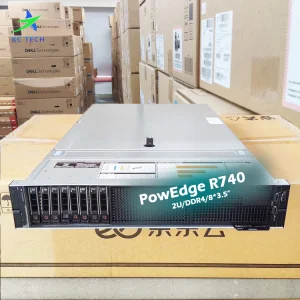
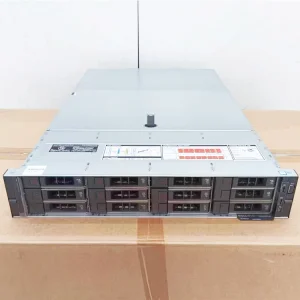
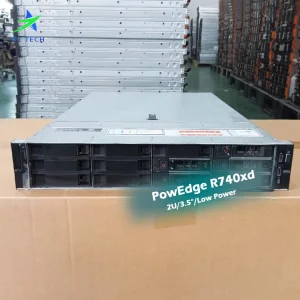
High-performance businesses deploy dual-CPU server arrays (such as the PowerEdge R750 or Oceanstor systems) alongside multi-WAN routers to form private cloud storage boundaries. High-throughput routers partition internal networks, managing heavy database syncs and hot-storage updates while ensuring external public interfaces remain firewalled. The integration of 10G/25G routing ports eliminates performance bottlenecks in hyper-converged infrastructures.
For content distribution networks (CDNs), the proximity of storage to routing decisions is critical. Using 1U rack-mount structures (like the PowerEdge R350) coupled with intelligent routing software allows ISPs to cache dynamic content at the network edge. This model drastically minimizes backhaul traffic and optimizes high-definition video streaming, online transaction processing, and API delivery to global endpoints.
With the rise of local AI models (such as DeepSeek and large-scale GPU workloads hosted on AI servers), routers must route massive datasets dynamically. High-GPU platforms (like the Huawei G5500 V7 or Dell R750xa) consume and output terabytes of real-time telemetry. Custom ODM router platforms support advanced traffic-shaping parameters to prioritize AI inter-node synchronization over generic office traffic, avoiding latency spikes.
| Deployment Model | Ideal Hardware Configuration | Primary Routing Protocol / Standard | Key Performance Indicators (KPIs) |
|---|---|---|---|
| Smart Factory/IoT Edge | ODM Ruggedized Fanless Chassis, ARM-Cortex CPU | MQTT, Modbus TCP, Wi-Fi 6E/7 | Vibration Resistance, Sub-10ms Latency |
| Enterprise Campus | 1U Rackmount ODM Router, multi-GbE Ports | OSPF, BGP, SD-WAN IPsec VPN | Dual-WAN Failover, 10Gbps Firewall Throughput |
| Hyperscale Data Center | 2U Storage/Compute Host Integration | EVPN-VXLAN, RoCE v2, BGP-EVPN | Ultra-low Jitter, 100GbE QSFP Port Density |
Key technical milestones directing our current research and development pipeline over the next three fiscal years.
The network hardware landscape is undergoing a generational shift. Our ODM/OEM R&D initiatives focus on four primary pillars:
Inside our advanced production line and supply chain network, where engineering expertise meets high-density manufacturing.
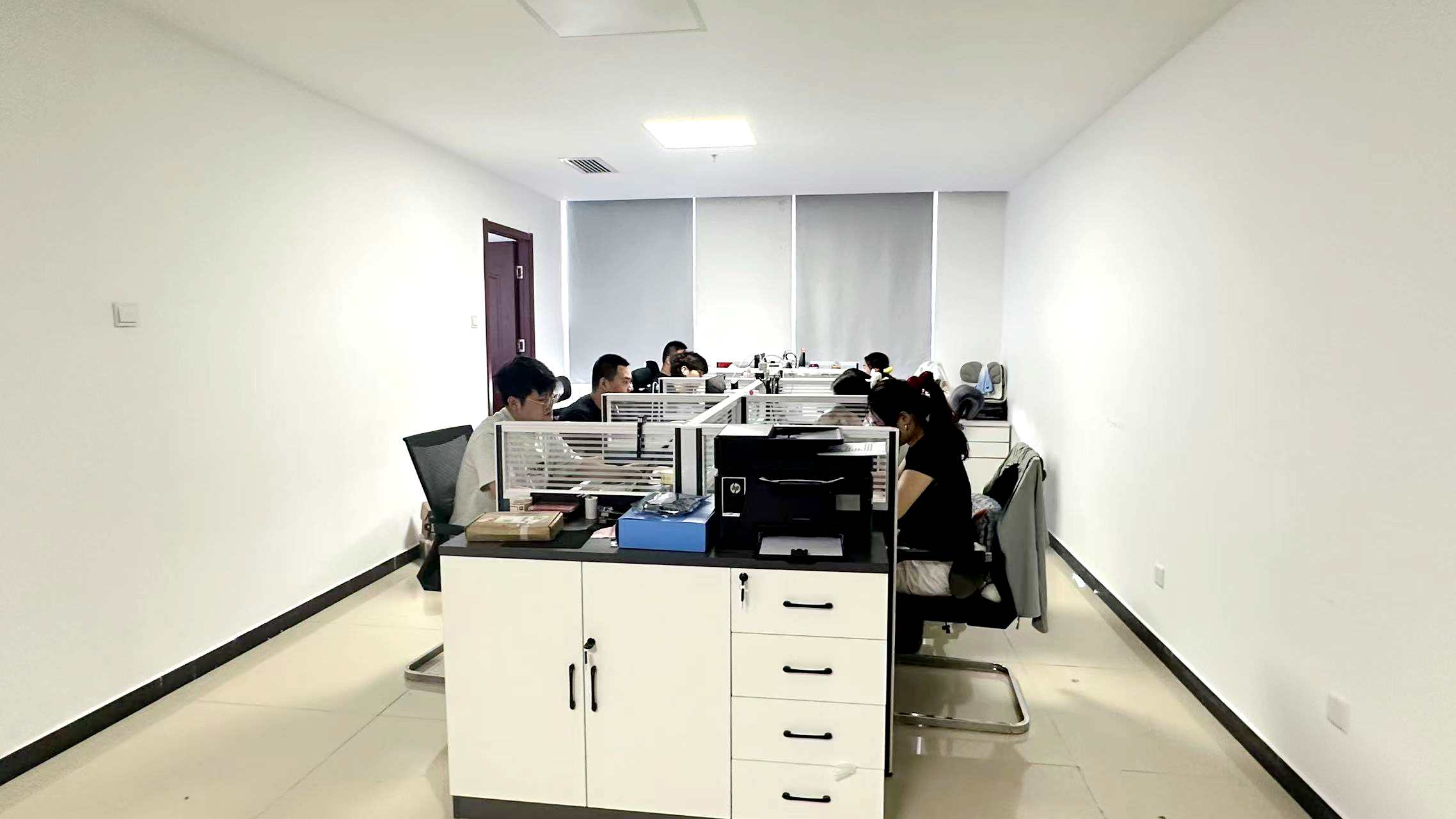
Founded in August 2021, our organization has established itself as an agile hardware supplier, serving clients across Eastern Europe, North America, and our domestic market. Our core manufacturing ethos is built on zero-defect quality control. Although operating with a targeted facility footprint of 160 square meters, our integration with premium upstream component suppliers allows us to fulfill large-scale OEM/ODM projects efficiently.
We employ strict quality assurance methodologies. Unlike facilities that conduct spot-checks, we perform a 100% full inspection of all products before dispatch. Every single server chassis, storage system, and router PCB undergoes automated optical inspection (AOI), high-temperature stress tests, and bandwidth verification. This ensures our clients receive hardware that delivers peak uptime.
Our trade ecosystem is optimized for diverse buyers: brand businesses, retail networks, field engineers, wholesale distributors, and manufacturers. With full raw material traceability, we guarantee compliance with international sourcing standards, providing end-to-end supply chain transparency.
Ensuring cross-border compliance, certified hardware standards, and dedicated warranty frameworks for long-term deployments.
Deploying networking equipment internationally requires navigating complex localized regulations. Our OEM/ODM router board designs and server configurations are optimized for global certifications, including FCC (US), CE (Europe), RoHS (Environmental Safety), and CCC (China). We ensure all electromagnetic interference (EMI) and electrical safety guidelines are fully met.
Additionally, we provide localization services for both software and hardware:
Answering vital hardware, supply chain, and engineering questions to facilitate informed procurement decisions.
Premium server arrays and high-capacity network systems designed to sustain demanding database architectures and routing nodes.
 Vertex AI Server