Engineered for data sovereignty, oil & gas analytics, and high-density cloud virtualization workloads.
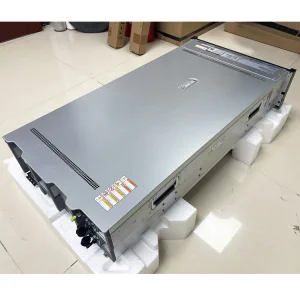
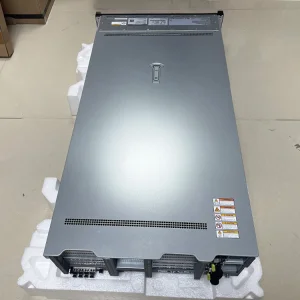
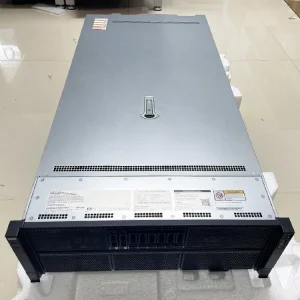
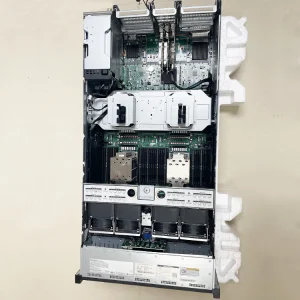
Kuwait's economic and technological trajectory is undergoing a paradigm shift driven by the "New Kuwait" Vision 2035. As part of this national mandate, the Communication and Information Technology Regulatory Authority (CITRA) has catalyzed cloud migration, data sovereignty protocols, and local infrastructure developments. Historically reliant on traditional energy frameworks, Kuwaiti public sector institutions, telecom providers, and financial entities like the National Bank of Kuwait (NBK) are aggressively modernizing legacy server topologies to meet global standards.
This massive digital overhaul has escalated local demand for enterprise-grade rack servers, specifically high-density 2U and 4U systems. These platforms form the backbone of core banking networks, secure government database registries, and massive telemetry arrays deployed across Shuaiba and Mina Al-Ahmadi oil refineries. High performance, thermal resilience, and strict physical security are non-negotiable requirements for rack server hardware deployed within the Kuwaiti climate and regulatory perimeter.
"According to recent GCC enterprise IT spending forecasts, infrastructure modernization investments in Kuwait are projected to grow at an annualized rate of 8.2% through 2028, with high-density GPU computing and local database security driving the bulk of server procurement contracts."
Kuwait's massive petroleum sector relies heavily on real-time reservoir simulation, drilling telemetry processing, and pipeline flow dynamics modeling which demand massive 4-socket floating point calculation units.
Under CITRA regulatory frameworks, critical state, public utility, and financial databases must reside locally within the national boundaries of Kuwait, necessitating secure private cloud deployments.
The construction of futuristic urban landscapes, such as Silk City (Madinat al-Hareer) and South Al-Mutlaa smart housing developments, relies on centralized edge computing arrays to support IoT data ingestion.
Procuring rack servers for deployment in the Middle East, specifically Kuwait, requires deep architectural planning around thermal dissipation. With summer ambient temperatures routinely exceeding 50°C, commercial data centers must combat the elevated risk of thermal throttling. Standard configurations designed for temperate zones fail to sustain performance in high-humidity, high-dust environments without specialized HVAC or custom internal airflow cooling solutions.
Our latest iterations of FusionServer systems incorporate advanced intelligent thermal control technologies (Dynamic Energy Management Technology - DEMT). This system monitors temperature deltas across key zones—including CPU cores, DDR5 DIMM slots, and PCIe controllers—dynamically adjustment cooling fan speeds to optimize efficiency. Furthermore, we design nodes that support extended ambient operation ranges, compatible with standard ASHRAE A3 and A4 specifications.
No single server configuration fits every enterprise vertical. We specialize in mapping out targeted hardware layouts based on industry-specific objectives and compliance matrices defined by Kuwait's regulatory bodies.
Deploying multi-tenant cloud architectures for government ministries requires robust virtualization density. Using the FusionServer 2288H V7 platforms, CSPs can achieve maximum VM density per rack, reducing overall floor space requirements. Our custom physical security options include chassis intrusion alerts and hardware TPM 2.0 chips compliant with national information security standards.
For transaction processing and database clusters where latency must be kept under sub-millisecond thresholds, we supply 4U multi-socket FusionServer nodes. Equipped with redundant Titanium-level power supplies, enterprise RAID arrays, and dual-port high-speed network interface cards, these systems ensure 99.9999% uptime for payment gateways and core financial ledgers.
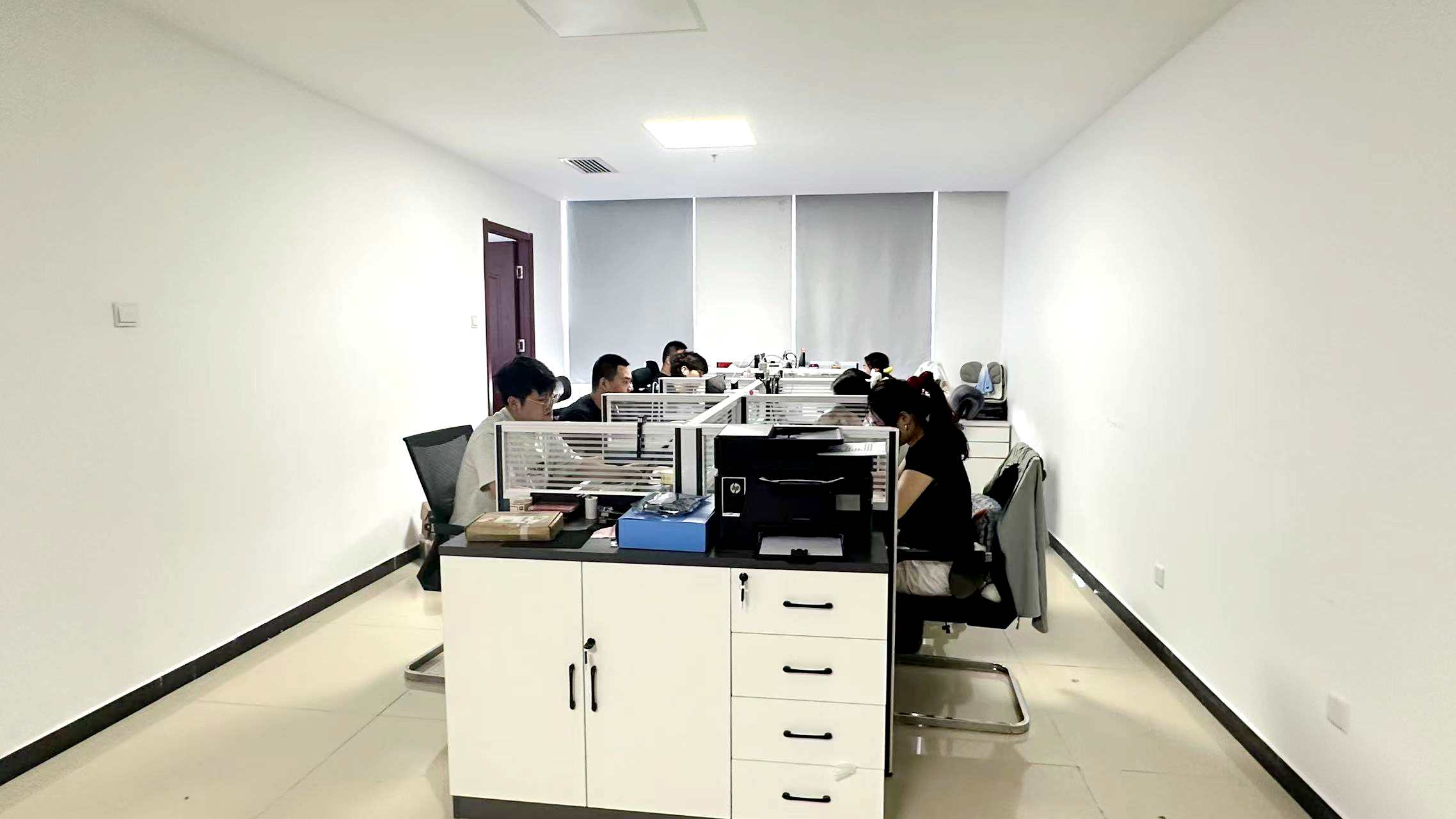
Operating within the framework of a Factory 4.0 smart facility, our server assembly processes are highly automated and monitored by AI-driven optical inspection systems. From the initial solder paste inspection on main system boards to stress-testing components in thermal chambers for 72 hours, we guarantee zero-defect shipments. For exporters supplying the Kuwaiti market, this reliability is paramount.
Leveraging robust supply chain alliances, we navigate raw material fluctuations and maintain a steady stock of Intel Xeon processors, high-performance DDR5 memory modules, and NVMe SSDs. This allows us to dispatch built-to-order enterprise server systems with minimal lead times. For logistics to Kuwait, we partner with premier air and sea freight providers, offering rapid clearing and delivery straight to regional hubs, including Shuwaikh Port and Kuwait International Airport.
Providing transparent capacity data and global quality assurances for enterprise procurers in Kuwait.
Next-gen configurations optimized for deep learning, local database hosting, and secure enterprise virtualization.
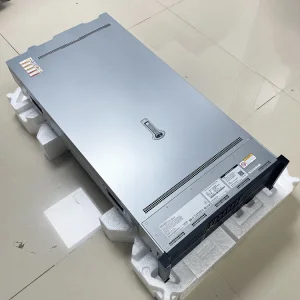


Addressing technical, logistical, and compliance inquiries for systems deployment in Kuwait.
Get in touch with our enterprise systems engineers today for custom quotes, technical drawings, and freight schedules tailored for your project.
Send Inquiry Now Vertex AI Server