High-IOPS redundant storage nodes customized for regional high-frequency databases and enterprise hybrid cloud deployments.
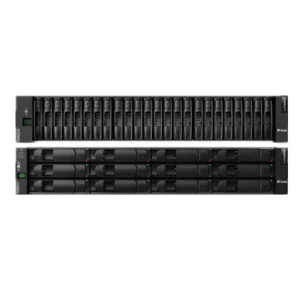
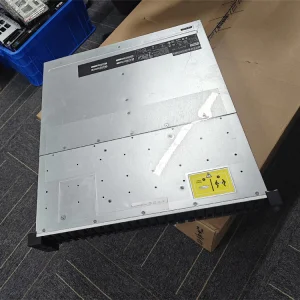
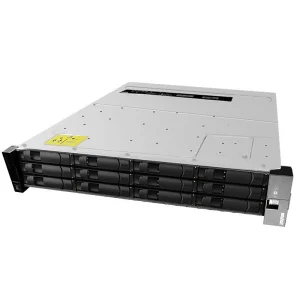
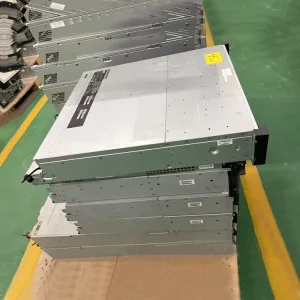
As the largest financial hub in the Southern Hemisphere, São Paulo serves as the primary data gravity center for Latin America. The metropolis accounts for over 60% of Brazil’s major colocation and enterprise data center footprints, spanning key zones like Tamboré (Barueri), Campinas, Jundiaí, and the capital city core. This hyper-concentration of computing power is fueled by the aggressive digitization of local banking networks (such as PIX transaction protocols), e-commerce giants, and the expansive rollouts of 5G infrastructure by major telecommunication firms.
Deploying storage hardware in São Paulo requires an understanding of both physical environmental dynamics and complex economic policies. High baseline humidity, ambient temperature shifts in sub-tropical climates, and localized electricity tariffs dictate that hardware deployed at scale must feature high thermal tolerance, low-latency caching pathways, and optimized power-to-performance metrics. Our storage server catalog is specifically engineered to meet these rigorous parameters, providing dual-control high-availability platforms, efficient hybrid flash systems, and GPU arrays optimized for modern workloads.
Maximizes storage per rack unit, reducing footprint costs in prime São Paulo colocation centers.
Sub-millisecond access speeds to support transactional loads across regional payment networks.
Ensures 99.999% uptime with hot-swappable nodes for critical industrial pipelines.
Aligning component sourcing structures with Brazilian import regulations and fiscal frameworks.
Procuring raw compute and storage servers in Brazil historically presented challenges due to steep import taxes (Tarifa Externa Comum - TEC) and logistics overhead. As a key global manufacturer partnering with local integrators in São Paulo, we bridge this gap by aligning our product architectures with Brazilian industrial tax exemptions (such as the *Lei de Informática* framework). By optimizing semi-knocked-down (SKD) shipping configurations, we ensure that premium motherboard designs, SAS/NVMe backplanes, and high-performance power supply units (PSUs) bypass logistical bottlenecks, saving cost for our local enterprise clients.
The global storage market is undergoing a seismic shift from legacy rotating media to ultra-fast PCIe Gen 5 NVMe networks, driven largely by the exponential scale-up of Artificial Intelligence (AI) and Machine Learning (ML) workloads. Localized projects like Portuguese large language model (LLM) fine-tuning, telemetry collection in deep offshore oil fields (Santos Basin), and predictive logistics processing in the Port of Santos demand highly responsive, specialized storage architectures. Storage servers are no longer passive repositories; they have evolved into active computational storage units that execute data classification and reduction directly on the controller level.
Crucially, the global demand for deep learning infrastructure has made GPU-to-Storage throughput a primary bottleneck. High-throughput servers must support technologies such as GPUDirect Storage (GDS) to establish direct DMA paths between GPU memory and storage drives, bypassing CPU bottlenecks entirely. Our latest systems, including AMD EPYC and Intel Xeon Scalable processor configurations, are engineered with high-density PCI Express lanes to accommodate both high-bandwidth network interface cards (NICs) and arrays of high-performance NVMe solid-state disks (SSDs).
São Paulo's regional atmospheric humidity and elevated thermal profiles place heavy demands on standard server cooling systems. Legacy equipment often suffers from throttling or accelerated component degradation under persistent workloads. Our manufacturing standard addresses this by using intelligent variable-speed cooling fans, advanced dual-path airflow shrouds, and gold-rated redundant PSUs that operate efficiently at higher thermal thresholds. This robust engineering minimizes thermal throttling and significantly reduces overall cooling costs (PUE ratio) for the host datacenter.
Every storage node undergoes 100% component burn-in and strict QA profiling before deployment to international markets.
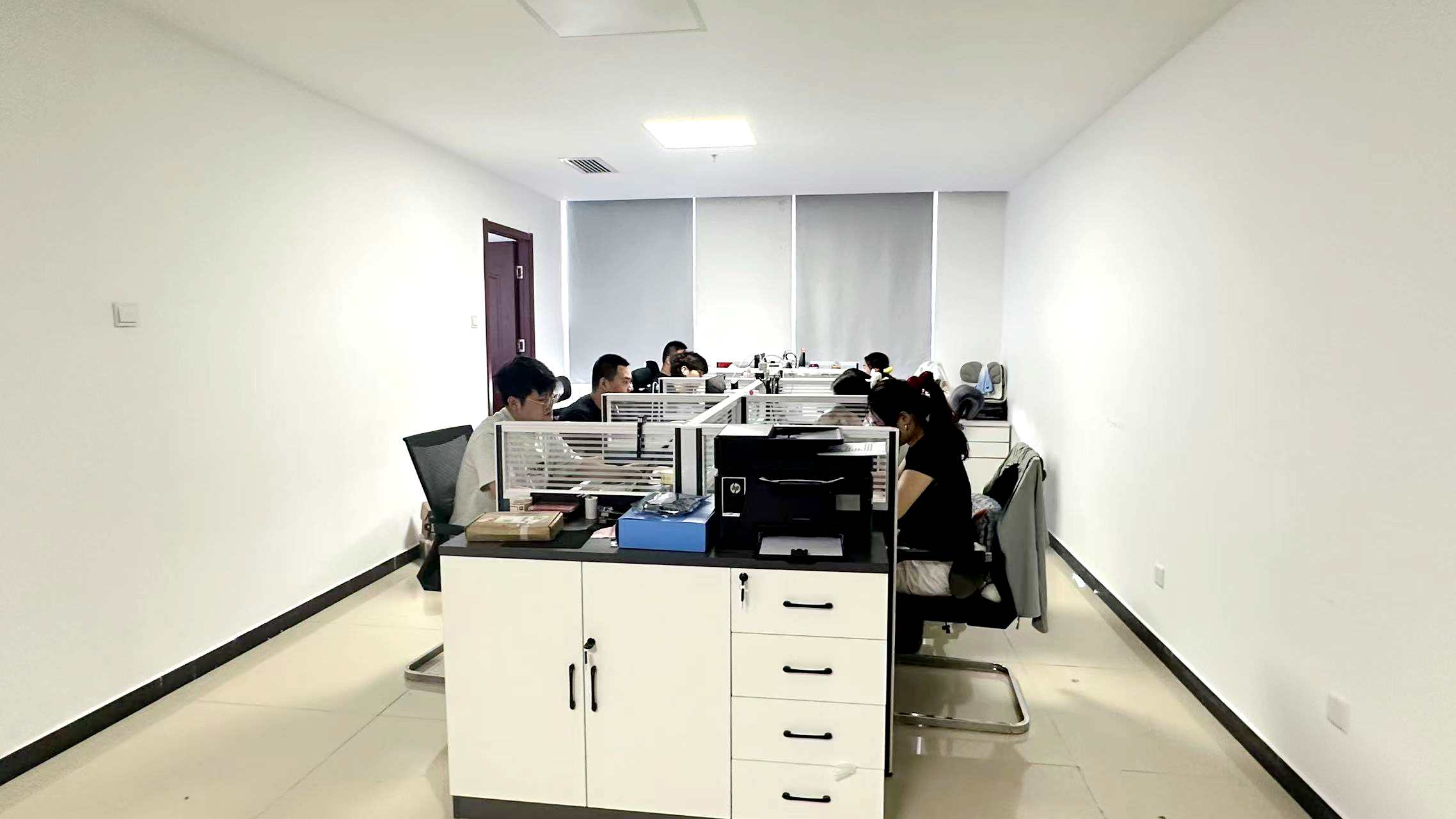
Operating with complete transparency, trace-validated hardware components, and international export standard compliance.
Deploying versatile, scalable systems designed to handle data archiving, hybrid clouds, virtualization, and GPU inference.
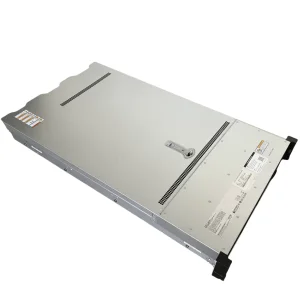
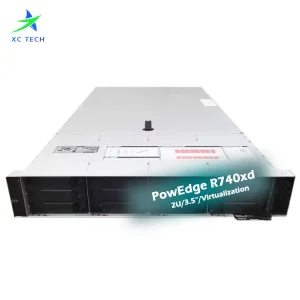
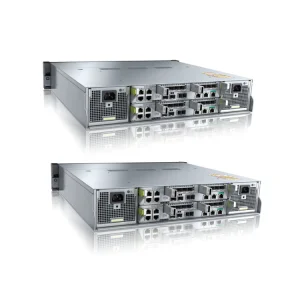
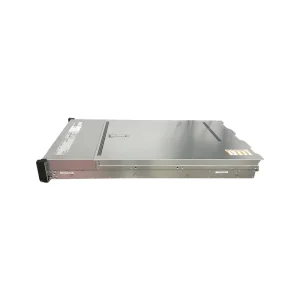
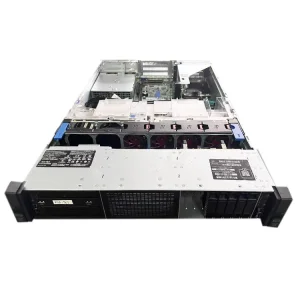
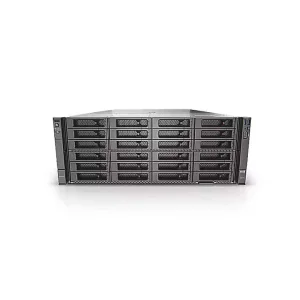
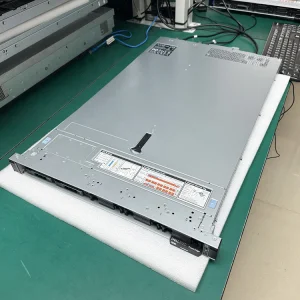
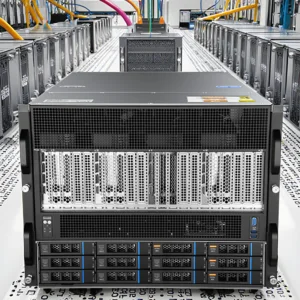
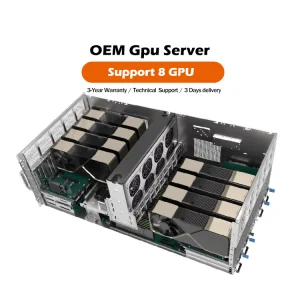
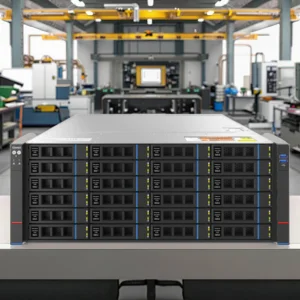
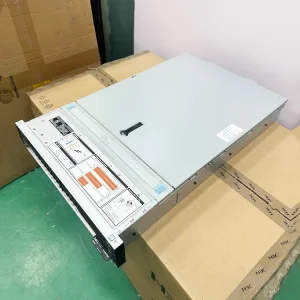
Crucial technical answers regarding storage server customization, local integration, and procurement in the São Paulo region.
 Vertex AI Server