Select high-performance GPU AI platforms, database servers, and multi-socket cluster hardware directly configured for rack-scale deployments.
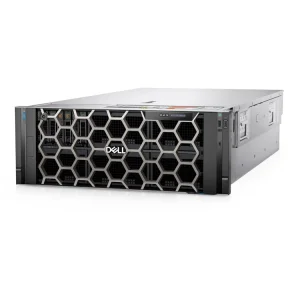
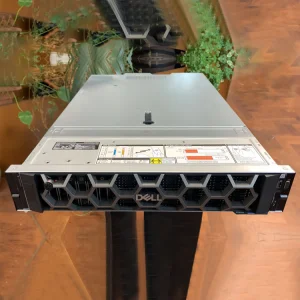
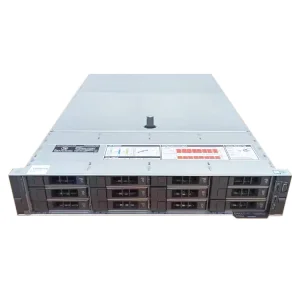
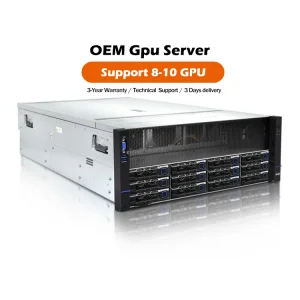
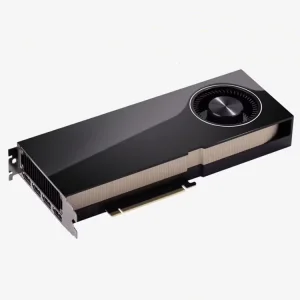
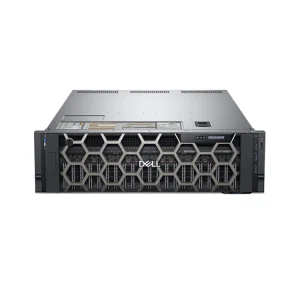
Navigating the complexities of high-density AI integration, cooling constraints, and structural parameters in modern hyperscale environments.
As generative artificial intelligence (AI), machine learning (ML), and large language models (LLMs) such as DeepSeek alter the landscape of computing, the demand for resilient, thermal-efficient physical rack infrastructures has surged. Enterprise IT procurement is no longer just about purchasing stand-alone 19-inch cabinets. Modern data centers require integrated ecosystems where the server rack acts as the mechanical, thermal, and power distribution backbone.
Traditional rack layouts are struggling under the weight of high-power hardware configurations. With high-density compute nodes scaling up to 10 GPUs per system, power configurations are exceeding 30kW to 100kW per rack. Procurement architectures must evaluate advanced heat management designs, including high-flow perforated doors (up to 80%+ open-area patterns), vertical exhaust ducts (chimneys), and integrated liquid cooling manifolds (Direct-to-Chip or Rear Door Heat Exchangers) to prevent localized hotspots and ensure persistent uptime.
Heavy server configurations, multiple power distribution units (PDUs), and uninterrupted power supply (UPS) backups demand structural integrity. Racks are specified by static load capacities (typically up to 1500kg - 2000kg for heavy-duty structural steel cabinets) and dynamic load capacities (the capacity of the rack to be rolled, populated with equipment, during deployment). Structural reinforcement, heavy-duty casters, and leveling feet must be verified prior to large-scale rollouts.
Hyperscale applications deploy dual-branch power paths direct to the rack level. The layout must allow structured cable paths for zero-U PDU installation. Intelligent PDUs enable outlet-level monitoring, remote reboot capabilities, and environmental sensors (humidity, temperature, air flow) integrated directly into the infrastructure software suite, maximizing performance metrics and maintaining strict SLA margins.
To optimize deployment velocity, global integrators favor tool-less structural options. Adjustable square-hole mounting rails with clear, silk-screened U-markings speed up server installation. Rapid cable routing accessories, tool-less blanking panels, and modular side panels allow technician workflows to scale up efficiently without specialized tooling.
Engineered infrastructure environments built to optimize energy footprints and physical space utilization.
For large-scale public and private cloud operations, optimization hinges on maximizing compute density per square meter. Standardized rack deployments focus on 42U, 48U, and 52U configurations, with widths of 600mm for standard compute and 800mm for network racks where cabling density is high. Deep cabinets (1200mm to 1400mm) ensure ample space for complex cable management arms and vertical power strips while maintaining rear hot-aisle containment systems.
Edge infrastructure operates outside structured data centers—often in remote offices, retail hubs, or industrial floors. These sites require dust filtration, sound dampening, and physical access security. Here, acoustic micro data centers, IP-rated industrial enclosures (IP54/IP65), and compact wall-mounted cabinets support local compute workloads, bringing processing power closer to IoT endpoints and end-users.
How current designs are morphing to host liquid-cooled AI clusters and high-power density chips.
The massive power demands of next-generation silicon (e.g., platforms hosting NVIDIA Blackwell, AMD Instinct, and specialized ASIC accelerators) require server rack designs to evolve. Standard air-cooling capacity hits a physical ceiling at around 30kW to 35kW per rack. To scale beyond this, manufacturers are building racks with integrated liquid cooling manifolds, quick-disconnect couplings, and robust drip trays.
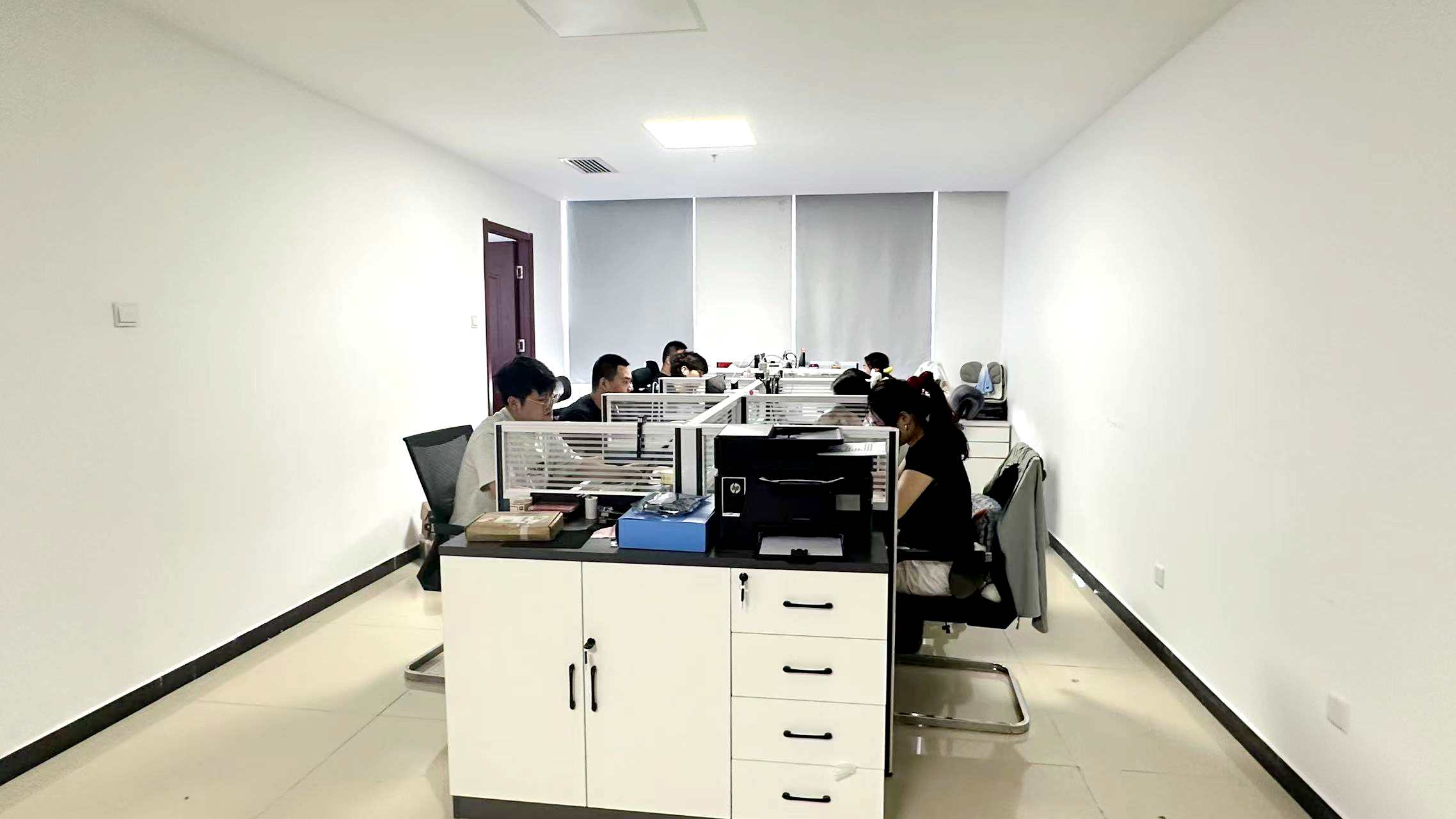
The transition from traditional 19-inch mounting styles to OCP-compliant 21-inch open racks enables wider equipment bays. This design change yields larger airflow areas, optimized power busbars, and efficient space for liquid cooling plumbing. A single, centralized busbar running down the back of the rack replaces individual power cords for each server, cutting failure points and reducing cabling clutter.
Modern system integrators favor configuring, cabling, testing, and shipping fully populated racks directly to data center floors. This "Rack-and-Stack" workflow requires robust structural engineering. Racks must withstand transport shocks and vibrations while holding up to 2 tons of integrated hardware, preventing structural deformation during shipping.
Audit compliance, structural testing, and production statistics for global export markets.
Partnering with a specialized Chinese manufacturer offers verified supply chain integration, raw material sourcing advantages, and cost efficiencies. Our manufacturing systems align with modern industrial standards, serving global markets with documented traceability and strict quality protocols.
Each structural component is tracked from the raw steel coil or aluminum ingot stage to final paint curing. Racks undergo rigorous structural testing, including static loading simulations, corner deflection measurements, and zinc-coating thickness tests. With 100% inspection processes in place, every shipped enclosure meets the strict dimensional and load tolerances required for deployment in international data centers.
Simplifying cross-border procurement through regional standard alignment and reliable shipping workflows.
Deploying infrastructure worldwide requires adherence to local electrical and building safety codes. Equipment racks must meet regional regulatory benchmarks, including **EIA-310-E**, **IEC 60297**, **CE**, **RoHS**, and **UL 2416** (covering standard safety for audio, video, information, and communication technology equipment cabinet enclosures). Choosing products that conform to these guidelines avoids project delays and compliance issues during final facility audits.
Additionally, custom sea-worthy packing, dynamic shock-pallet mounting, and comprehensive customs documentation help streamline transit. Whether you are shipping to hubs in Western Europe, industrial centers in Eastern Europe, or hyperscale facilities in North America, we handle freight logistics, port clearing, and inland transport coordination to ensure your infrastructure arrives on site and on schedule.
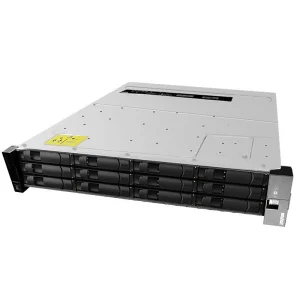
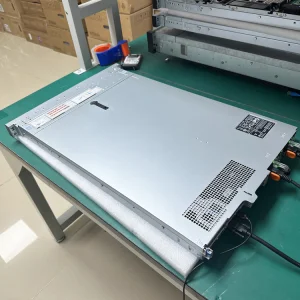
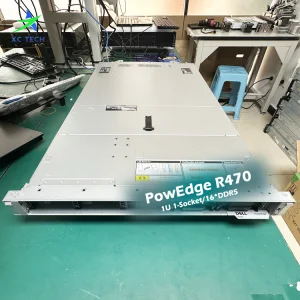
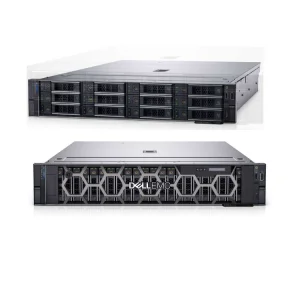
High-efficiency 1U, 2U, and 4U systems designed to fit standard rack enclosures for high-density computing workloads.
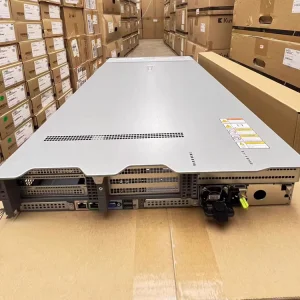
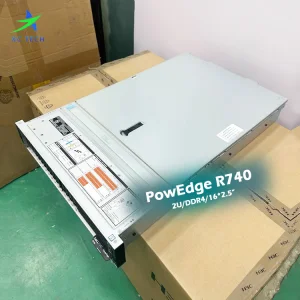
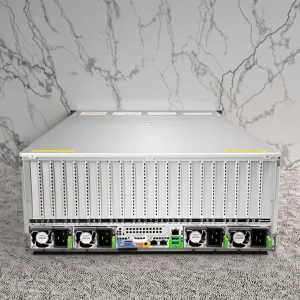
Answers to common structural, thermal, and regulatory questions from data center engineers and procurement managers.
 Vertex AI Server