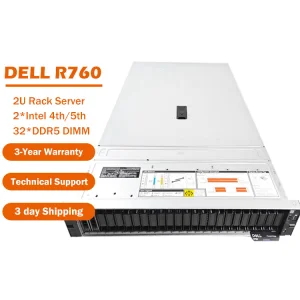
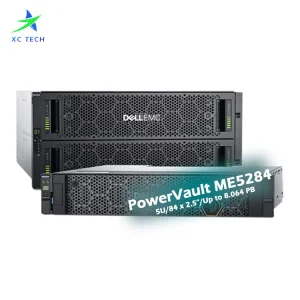
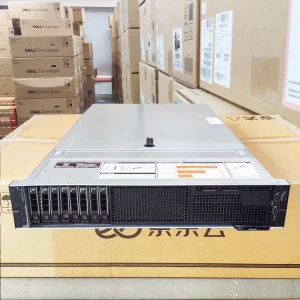
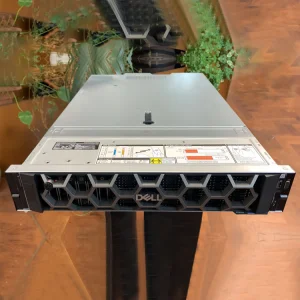
High-performance rack servers and compute modules optimized for virtualization, data processing, and AI training workloads.
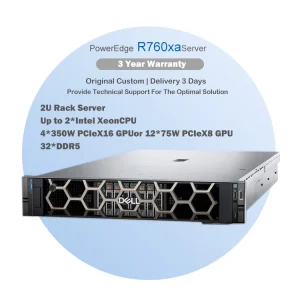
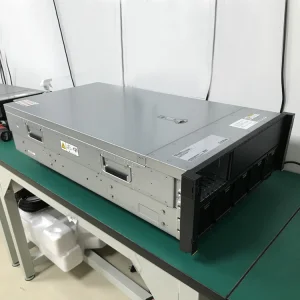
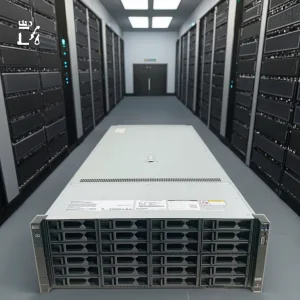
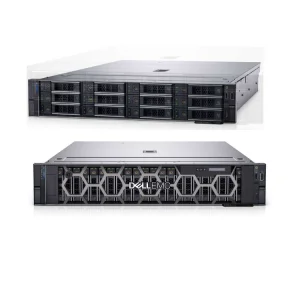
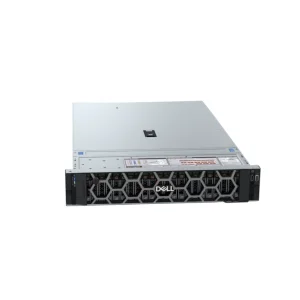
Unlocking high-performance compute efficiencies through precision OEM/ODM alignment, hardware-level customizability, and robust global logistics networks.
In the era of hyper-scale computing, the global technology landscape is undergoing a massive transformation. The demand for compute power, propelled by the sudden surge in Artificial Intelligence (AI) model training, big data analytics, and deep learning inference, has put significant pressure on modern data center architectures. Enterprises no longer require general-purpose computing boxes; they demand highly customized, application-specific, and thermally optimized platforms. This is where OEM/ODM server integration plays a pivotal role, allowing enterprise buyers to co-design hardware architectures that match their software optimization strategies.
As a premier OEM/ODM server factory and exporter, we bridges the gap between raw manufacturing capability and high-density, low-latency compute execution. Drawing on years of export experience and strong ties with industrial clusters, we configure and deliver systems running on state-of-the-art processors, featuring advanced interconnectivity options (such as PCIe 4.0/5.0 and specialized NIC adapters), and optimized thermal design limits to ensure continuous 24/7/365 operational reliability.
Support for modular storage arrays, high-density hot-swappable drives, and expansion brackets that grow inline with your workload needs.
Engineered air ducts, intelligent fan speed controllers, and high-efficiency heat sinks tailored for complex computing configurations.
Configured with Root-of-Trust security modules (TPM 2.0) to prevent unauthorized hardware changes and protect raw proprietary data assets.
Analyzing the paradigm shift in the architecture of corporate data centers toward intelligence-first infrastructure.
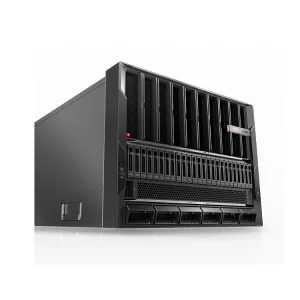
Over the past decade, Huawei's hardware platforms—exemplified by the FusionServer and xFusion series—have carved out a massive presence in global IT infrastructure. The strategic transition of xFusion as an independent entity focused on Intel x86 architectures has allowed the hardware line to scale with global supply chain dynamics. Modern xFusion platforms, such as the *xFusion G5500 V7* and the multi-node *G8600 V7*, are optimized specifically for deep learning, AI reasoning, and high-performance database workloads.
Key industry trends show that global buyers are looking to deploy architectures that support emerging open-source LLMs and deep learning paradigms (such as DeepSeek R1/V3 configurations). By configuring server boards to house multiple GPU accelerators alongside high-throughput Intel Xeon Scalable or AMD EPYC processors, modern server systems deliver the high compute density needed for tensor calculations, natural language processing, and massive-scale image/video analytics.
How procurement teams balance hardware customization, power efficiency, and upfront capital expenditures.
Sourcing server hardware at scale is a complex logistical and technical endeavor. Enterprise buyers are faced with the challenge of rising energy costs, necessitating hardware configurations that boast low PUE (Power Usage Effectiveness) metrics. They must also ensure that local telecom and data center regulations are met. The table below illustrates the priorities of modern IT procurement officers when searching for OEM/ODM hardware:
Standard servers rarely meet specialized needs. Modern workloads need custom PCI-e lane routing, specific memory configurations, and custom BIOS values.
Long lead times halt project rollouts. Procurement requires factories that possess resilient component sourcing pipelines and solid shipping networks.
A single system failure can cost thousands per minute. Enterprises demand 100% component-level and burn-in testing before any product leaves the line.
Operating from the heart of the world's most advanced manufacturing ecosystem allows our facility to adopt Industry 4.0 standards. Our production lines integrate trace-level logistics, automated component placement, and comprehensive structural quality assurance. By leveraging local silicon, PCB fabrication, and high-precision sheet metal facilities, we ensure shorter turnaround times and lower production costs.
This supply chain depth translates directly into cost advantages for international buyers. Rather than negotiating with multiple fragmented component vendors, buyers can deal directly with us to manage enclosure design, power supply unit (PSU) assembly, motherboard mounting, and strict QA protocols under one roof.
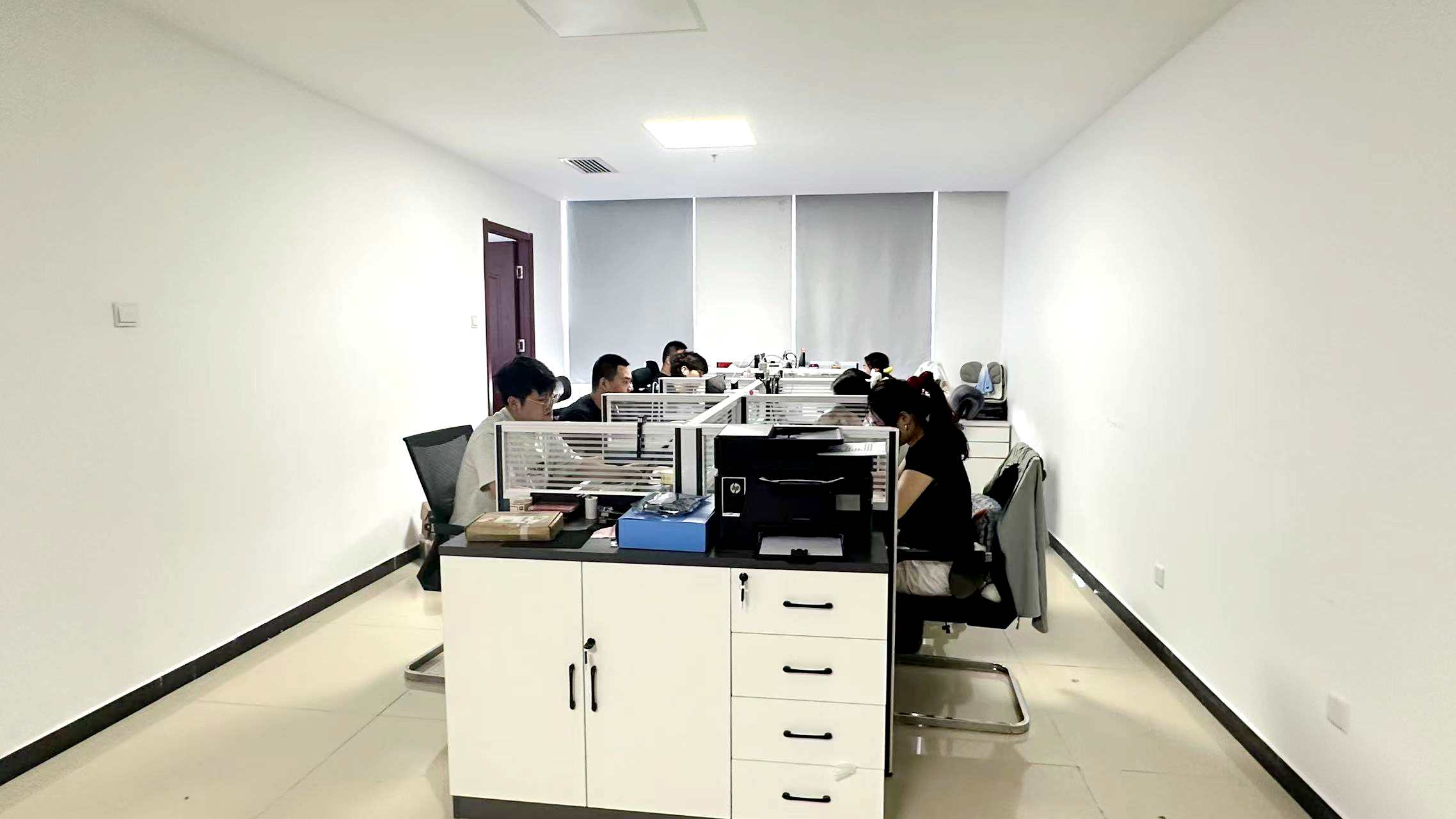
Transparent production data highlighting our compliance, export success, and operational integrity.
Our main export corridors reach deep into Eastern Europe (20%), local domestic projects (15%), and North America (10%). Our operational infrastructure supports native English-language sales and support agreements.
We serve international brand businesses, boutique system integrators, municipal engineering departments, wholesale distributors, and manufacturers seeking localized hardware configurations.
Equipped with specialized QA/QC inspection workflows. Raw materials are fully traceable from silicon providers to end-user deliveries, backed by full technical support.
Where our high-performance hardware configurations thrive in complex global computing environments.
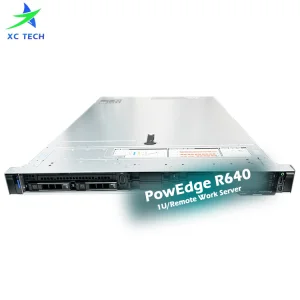
Ideal for telecommunication base stations and distributed networks. Compact 1U/2U footprints allow localized data aggregation and real-time processing with low latency.
Configured with robust GPU arrays (like the xFusion G5500) to support massive parameter calculation, deep learning inference, and deep neural network optimizations.
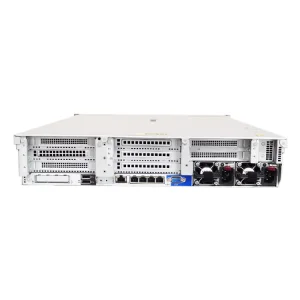
Equipped with high-speed PCIe network cards (Intel E810) and multiple hard drive bays for data centers requiring high storage bandwidth and data redundancy.
Addressing technical, customization, and logistical concerns of global enterprise server buyers.
Expand your enterprise network layout with our inventory of server components, network cards, and multi-socket server nodes.
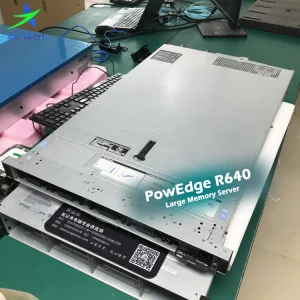
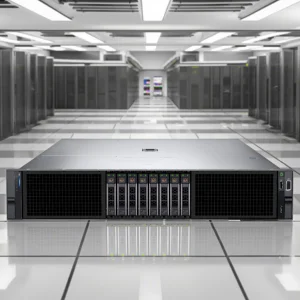
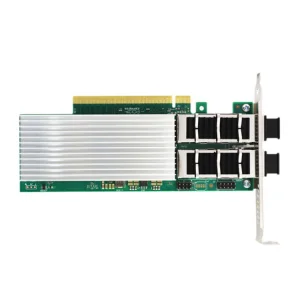
 Vertex AI Server