In the era of cloud computing, massive database orchestration, and distributed AI modeling, the humble Network Interface Card (NIC) has evolved from a basic peripheral adapter into a sophisticated network endpoint processor. As data workloads surge, IT engineers and hardware architects must look beyond basic connection speeds and focus on offloading capabilities, host processor utilization, latency reduction, and reliability metrics. Securing your supply chain with a premier China Network Card manufacturer and supplier offers a critical strategic balance of rapid hardware prototyping, immense production capacity, and industry-standard regulatory compliance.
Choosing the right supplier is not merely a purchasing transaction; it requires a systematic evaluation of design capabilities, material traceability, and testing methodologies. From multi-port Gigabit Ethernet copper adapters for local SMB networking to next-generation PCIe Gen 5 optical SmartNICs driving AI clusters, modern operations demand strict adherence to standards such as IEEE 802.3, RDMA over Converged Ethernet (RoCEv2), and SR-IOV (Single Root I/O Virtualization).
The development path of Network Cards is currently defined by three parallel shifts: bandwidth scaling, offload complexity, and system-level integration.
Standard data center configurations are migrating from 10G/25G adapters to high-density 100G, 200G, and 400G configurations. Through PAM4 modulation schemes and PCIe Gen 5 x16 host interfaces, modern network cards offer non-blocking throughput capable of managing massive parallel pipelines between compute engines and SAN architectures.
Traditional TCP/IP processing overhead can consume over 30% of host CPU cycles in high-throughput environments. Modern cards leverage hardware-based engines for protocol offloads (e.g., LSO, LRO, RSS, and Checksum offload) alongside RDMA (RoCEv2 / iWARP), allowing direct memory transfers between systems without operating system intervention.
By integrating system-on-chip (SoC) architectures, ARM processor cores, and customizable FPGA blocks directly onto the NIC, SmartNICs and Data Processing Units (DPUs) run virtual switch fabrics (OVS), complex security policies (IPsec/TLS), and software-defined storage tasks natively on the card, keeping host cycles clean for applications.
As Chinese manufacturers continue to expand their technological capabilities, they are investing heavily in multi-layer PCB design capabilities, low-loss material integration (such as Megtron 6/7 equivalents), and automated signal integrity modeling. This ensures that custom NIC assemblies operate stably across wide thermal profiles while maintaining minimal packet drop rates.
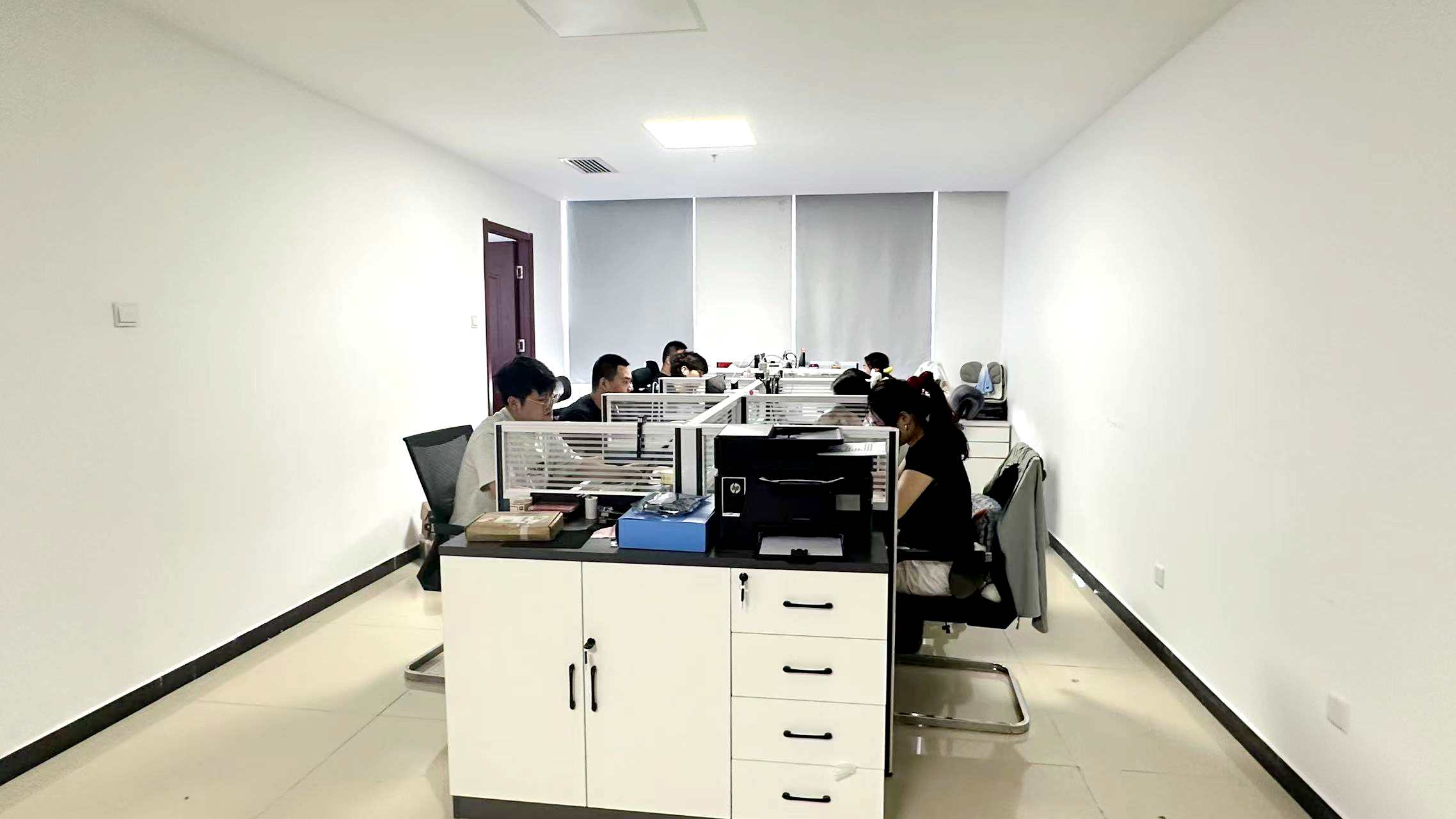
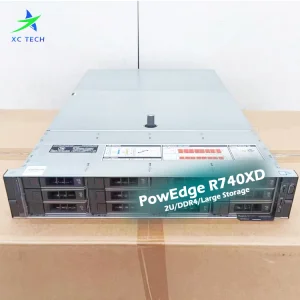
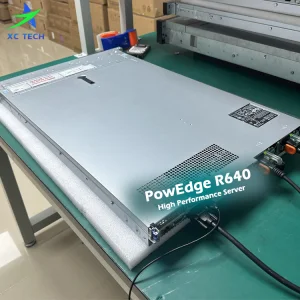
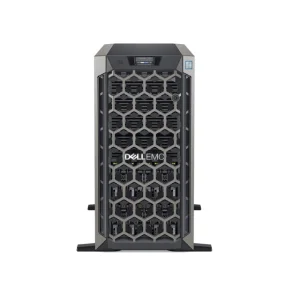
To realize the potential of high-speed network interfaces, they must be seamlessly integrated into compatible server environments. China's top manufacturers design network cards with full cross-platform compatibility in mind. Whether deploying standard Intel x86 architectures or alternative architectures, standard physical shapes (e.g., PCIe standard height/half-length, OCP NIC 2.0, and OCP NIC 3.0 SFF/LFF form factors) ensure physical and thermal compatibility.
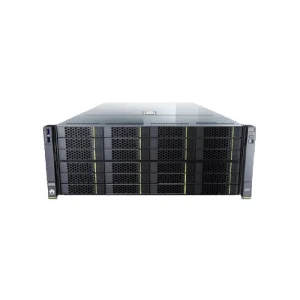
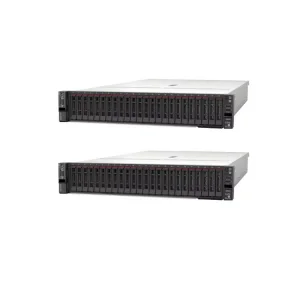
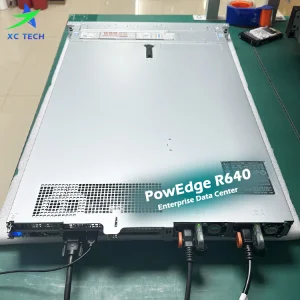
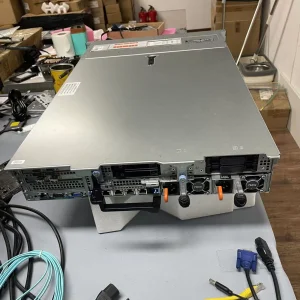
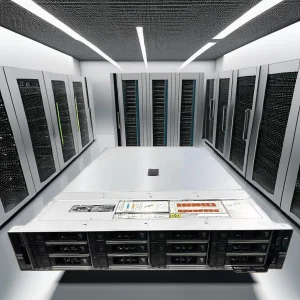
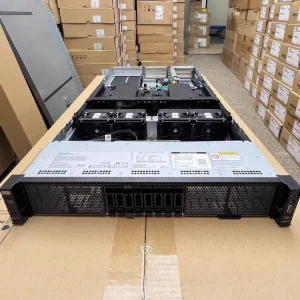
Consider how network cards act as the data pipeline in the following server environments:
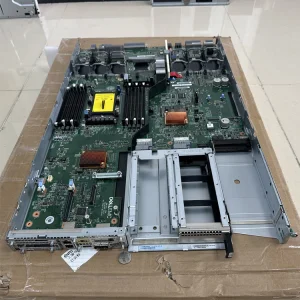
By matching specific network controller chips (e.g., Intel X710/XXV710, Mellanox ConnectX-5/6, or Broadcom Thor controllers) to custom OEM server boards, procurement managers can optimize cost and capability for their specific setups.
China's manufacturing sector has evolved from simple assembly services into highly automated Industry 4.0 production bases. Advanced network card fabrication requires precision Surface Mount Technology (SMT) lines, high-density Multi-Layer PCB drilling, and strict impedance control verification.
Quality assurance begins with raw material control. Reputable suppliers implement complete material tracking systems, verifying everything from high-speed copper interconnects to passive capacitor arrays from certified component vendors. This mitigates signal degradation risks and prevents field failures from out-of-spec components.
Testing protocols at these facilities include:
These thorough testing measures enable suppliers to offer reliable, high-yield network cards to international customers who demand long lifecycle stability.
For international procurement managers, sourcing network adapters requires looking closely at regulatory standards and regional market demands. High-speed network interfaces generate significant electromagnetic fields, meaning the cards must meet strict international EMC standards to prevent interference with other server components.
Key compliance certifications to look for include:
Additionally, long-distance supply chains must be structured to handle global supply chain fluctuations. Working with partners who maintain inventory buffers of critical Ethernet controller ICs helps guard against semiconductor shortages. Choosing components that use open, standard drivers (such as the standard linux `ixgbe` or `ice` drivers) avoids software lock-in, simplifying maintenance for cloud nodes and enterprise hardware alike.
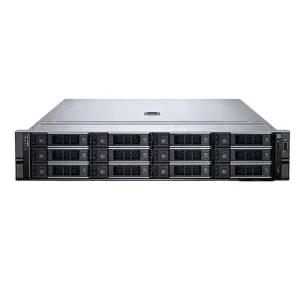
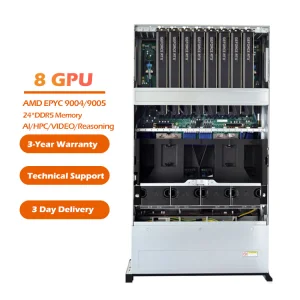
 Vertex AI Server