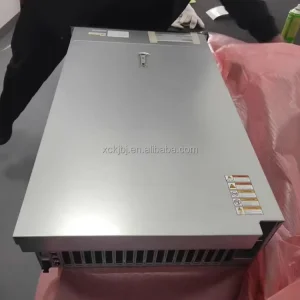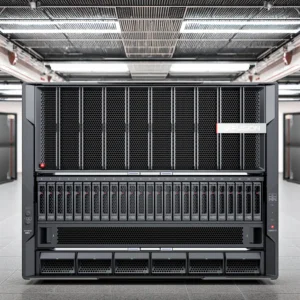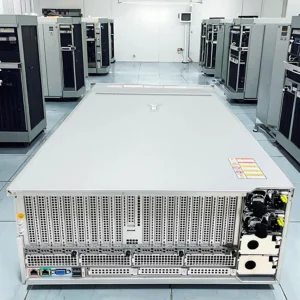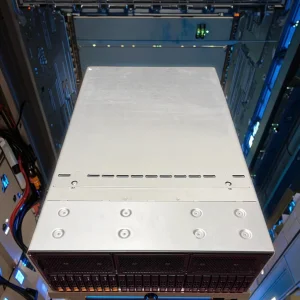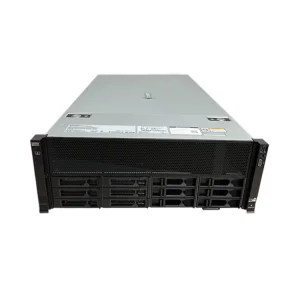
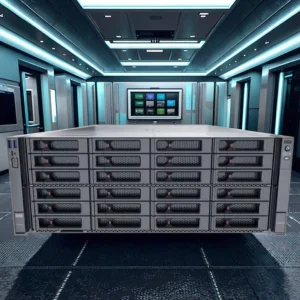
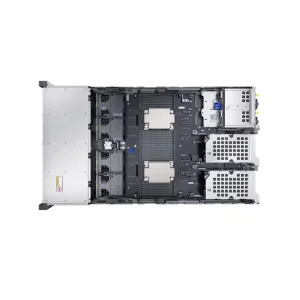
The United States is currently experiencing an unprecedented surge in computational demand. From Silicon Valley tech startups to Wall Street financial institutions and regional healthcare providers, the race to implement generative AI, large language models (LLMs) like Deepseek-R1/V3, Llama-3, and complex computer vision systems has triggered a massive hardware bottleneck. Enterprise infrastructure managers are no longer just looking for standard servers; they are seeking high-density GPU cluster systems that provide raw computational throughput while remaining thermal-efficient and economically viable.
In this dynamic landscape, the supply chain between specialized offshore manufacturing hubs and US-based end-users serves as the backbone of AI development. Modern data centers located in Northern Virginia (Ashburn), Oregon (Hillsboro), and Texas (Dallas) require highly customized rackmount servers that integrate perfectly into standard OCP (Open Compute Project) configurations, featuring robust power management, PCIe Gen 5 routing, and thermal engineering capable of handling massive TDP (Thermal Design Power) thresholds.
Strategic Context: According to industry assessments, the performance bottleneck for AI models has shifted from software optimization to physical rack infrastructure. The ability to deploy high-density, multi-GPU systems with stable thermal performance dictates the time-to-market for modern AI solutions.
The hardware requirements for US data centers differ significantly from other regions due to strict energy regulations, physical space constraints in colocation facilities, and specific power profiles (e.g., 208V/240V AC and 480V 3-phase systems). An effective AI server exporter must understand these variables and design systems that:
Dual-socket Intel Xeon Scalable processors combined with advanced PCIe switching topologies to eliminate GPU-to-CPU transfer bottlenecks during intensive epoch training loops.
Engineered cold-plate manifolds custom-routed for GPU blocks, memory, and VRMs, designed to interface seamlessly with US open-loop and closed-loop data center designs.
Every system goes through an intensive 48-hour burn-in process running heavy workloads (FurMark, Linpack) to verify components before air freight export to North America.
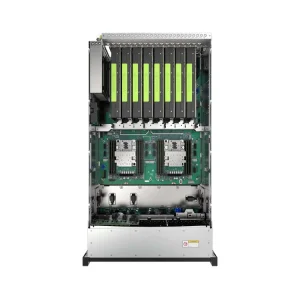
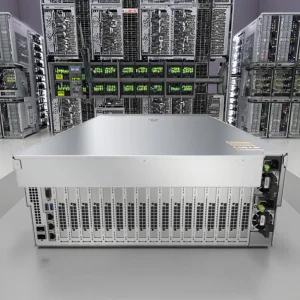
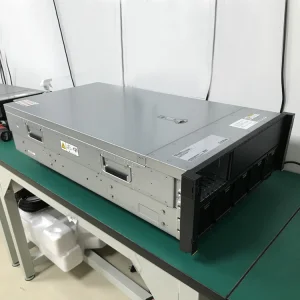
Modern workloads demand architectures that can process multi-modal files in real-time. For instance, training an autonomous driving model requires simultaneous ingestion of high-resolution video streams, LiDAR sensor data, and behavioral telemetry. Standard CPU-centric servers fail under the weight of these workloads due to limited parallel processing elements. Our manufacturing pipelines are specifically optimized to supply servers with modular architectures that facilitate high-density multi-GPU integration.
With the release of lightweight yet highly capable open-source models such as Llama-3-70B and Deepseek-V3/R1, enterprise IT departments are increasingly shifting from commercial closed-source cloud APIs to hosting models on local hardware. To do this efficiently, the system architecture must support massive memory bandwidth. The introduction of DDR5 ECC registered memory and high-bandwidth PCIe configurations in our G5500, G5200, and G8600 server configurations ensures that parameters can be updated in real-time without introducing processing delays.
Our systems support multi-rail InfiniBand and 400G Ethernet connectivity, ensuring that nodes can scale out into clusters of dozens or hundreds of machines seamlessly. By implementing customized heat pipes and copper fins, our Chinese factory ensures the chassis can handle up to 700W per GPU without system throttling, which is crucial for retaining target processing speeds in high-demand environments.
Technical Insight: Standard RTX 4090 and enterprise GPU architectures demand strict physical configuration rules. When building an 8-GPU server cluster, the power supply layout must handle transient power spikes (microsecond-level power draws that exceed nominal ratings by up to 2x). Our power delivery systems incorporate heavy-duty capacitors and intelligent power splitting rails to prevent unexpected node resets during model training.
The implementation of specialized AI hardware differs significantly depending on the industry. Our exported configurations are built to serve these specific application scenarios:
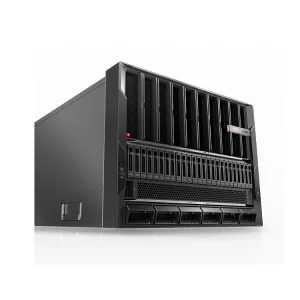
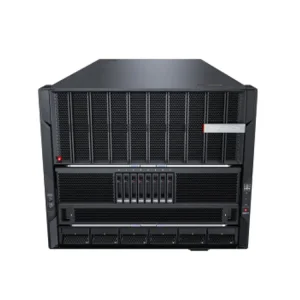
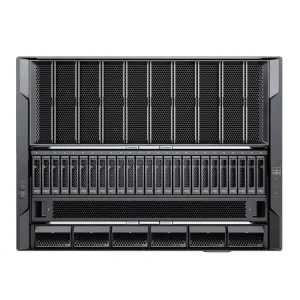
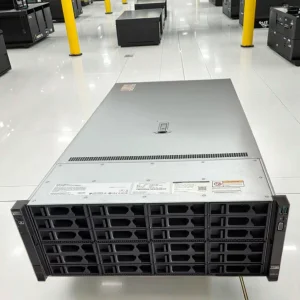
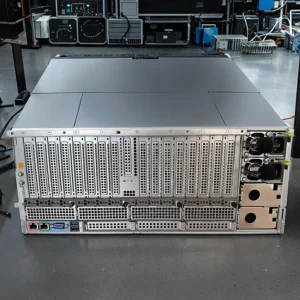
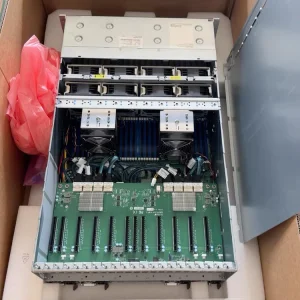
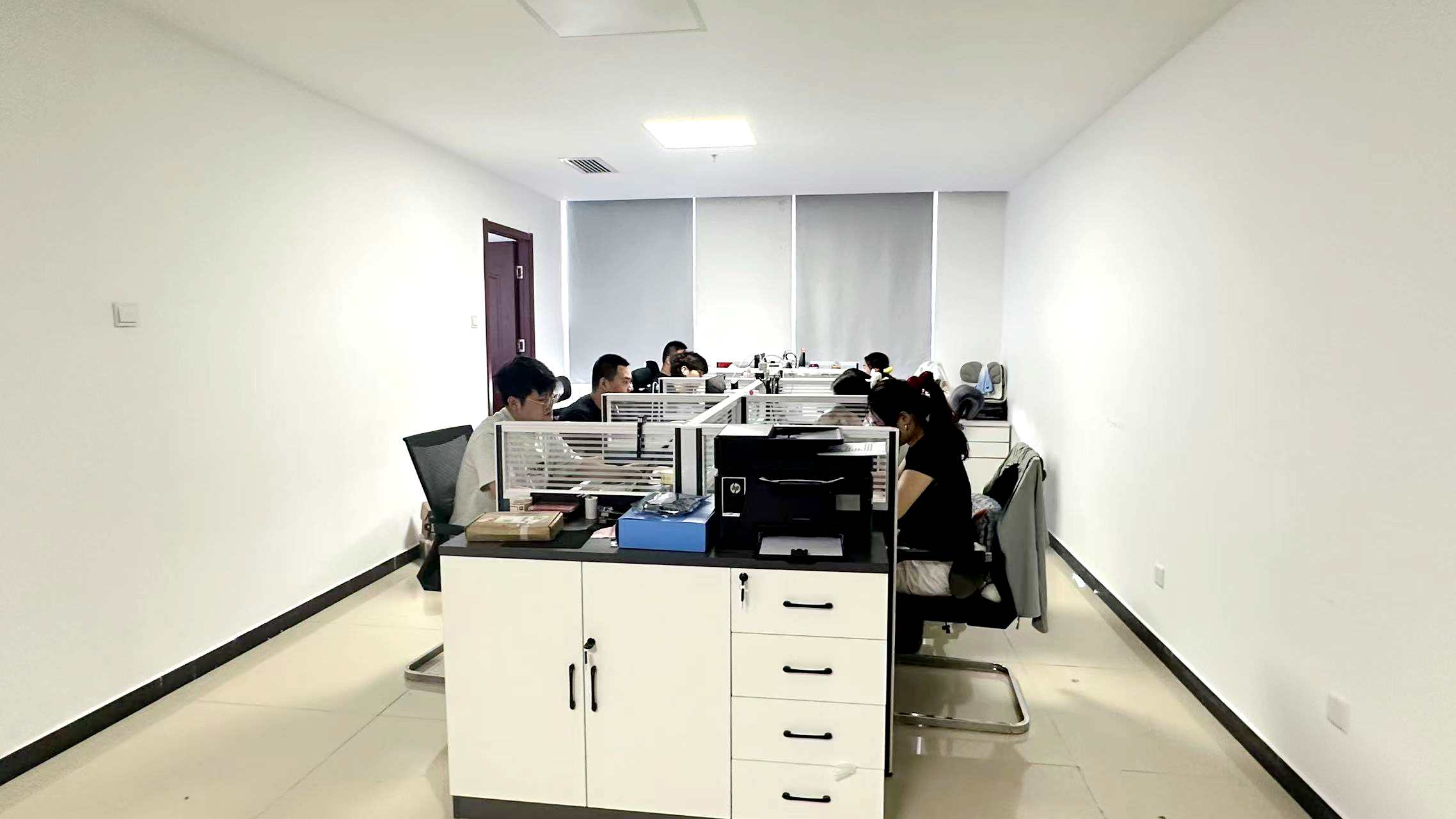
Based in China's advanced technology manufacturing hub, our facilities capitalize on the world's most concentrated hardware supply chain network. By sourcing capacitors, chassis, PCBs, and power distribution modules directly from adjacent Tier-1 component fabricators, we compress assembly lead times by up to 40% compared to Western OEMs. This proximity enables rapid prototyping, allowing custom modifications—such as adjusting PCIe mapping topologies or installing specific liquid cooling manifold blocks—to be executed in days rather than months.
In high-performance computing, the cost of a single node failure is immense—resulting in broken epoch training cycles, wasted cloud power, and developer downtime. Addressing this concern, our quality control architecture implements an uncompromising testing pipeline:
Procuring computing hardware internationally requires navigating a complex environment of tariffs, export compliance, and transport logistics. Over our four years of exporting, we have optimized the international supply chain to ensure seamless delivery to locations across North America.
We work closely with customs brokers to ensure that all declarations are precise, minimizing delays at US ports of entry. Every system is shipped with a comprehensive bill of materials (BOM), clear origin certificates, and appropriate compliance labels. Additionally, we provide custom shipping configurations, including heavy-duty double-walled cartons with molded high-density foam inserts, shipped on treated wooden pallets to protect precision electronic components from transit vibrations.
While standard off-the-shelf systems satisfy general compute workloads, complex cluster projects require specialized configurations. We work directly with engineers, brand owners, and system integrators to configure servers with specific memory configurations, storage arrangements, and network interface cards (NICs). Although our primary catalog consists of established architectures, we accommodate component-level custom tailoring to fit your existing rack layouts.
| Procurement Stage | Action Items & Validation Protocols | Typical Lead Time |
|---|---|---|
| 1. Configuration & Quoting | Determine GPU model requirements, RAM density, network topography, and PSU efficiency profiles. | 1 - 3 Days |
| 2. Assembly & Component Verification | Pick raw materials, trace component batch numbers, assemble chassis, and route internal cabling. | 7 - 10 Days |
| 3. Stress Testing & QC Sign-off | 48-hour continuous burn-in testing under full load, validating IPMI functionality and component safety. | 2 - 3 Days |
| 4. Export & US Customs Delivery | Secure packing, export declaration filing, air freight transport, and customs clearance. | 5 - 8 Days |
Our servers are built with enterprise-grade power supplies (such as LiteOn or Delta) that support auto-ranging voltages from 100V to 240V AC, and we also build 3-phase high-voltage options (such as 380V-480V systems) for high-density data centers. All systems are configured with 80 Plus Titanium or Platinum certified power supplies to ensure optimal energy efficiency and low heat generation under full load.
Yes. Our rackmount systems can be ordered with pre-installed liquid-cooling cold plates designed for direct-to-chip cooling setups. These configurations are designed to connect to standard CDUs in US data centers, utilizing standard quick-disconnect valves to ensure safe installation and easy maintenance.
We implement a strict 100% inspection protocol. Before packaging, our systems undergo a rigorous 48-hour hardware burn-in test running deep learning workloads to identify any early component failures. For transit protection, systems are packed in heavy-duty, multi-layered wooden crates with custom-cut, high-density shock-absorbing foam, and we include humidity indicators and shock sensors to ensure the hardware arrives in perfect condition.
Our 8-GPU configurations utilize dual PLX PCIe Gen 5 switch boards to optimize bandwidth, allowing direct peer-to-peer (P2P) GPU memory communication. This bypasses host CPU paths, significantly reducing memory latency and maximizing throughput during large-scale model training loops.
We source all main processors, memory modules, GPUs, and high-speed storage devices directly from authorized first-tier distributors. Each component serial number is logged in our inventory management system, providing full component-level traceability from receipt at our warehouse to final installation inside the server chassis.
Consult with our systems engineers to configure, quote, and customize high-density GPU platforms tailored to your data center specifications.
Send Inquiry Now Vertex AI Server