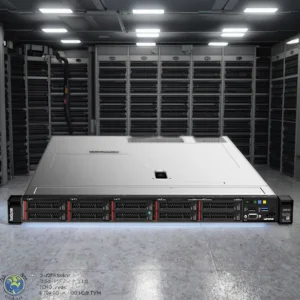
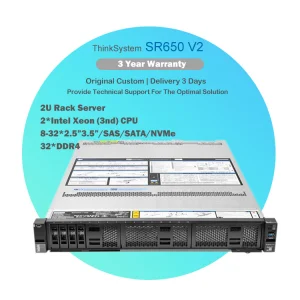
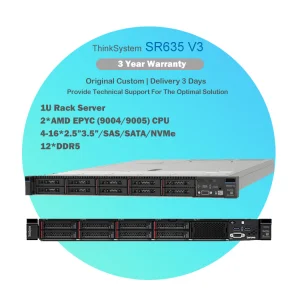
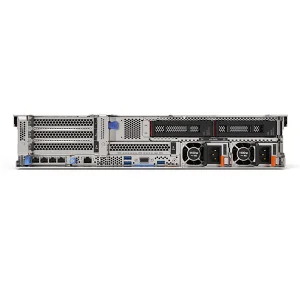
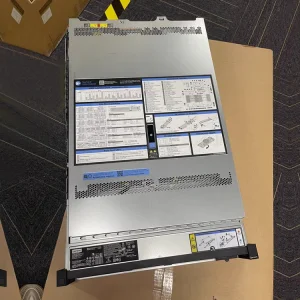
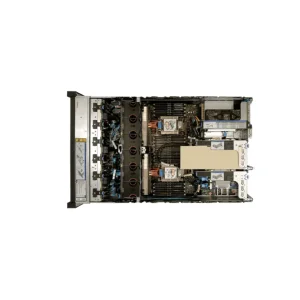
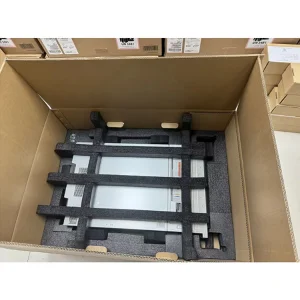
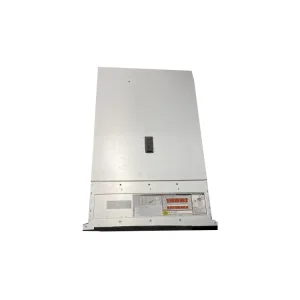
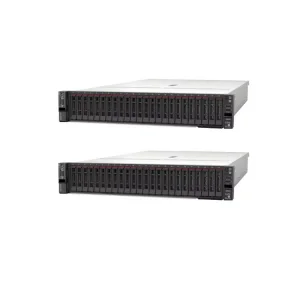
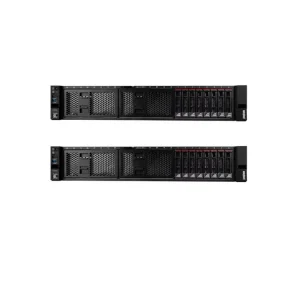
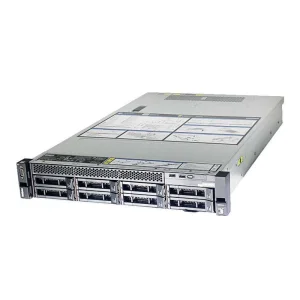
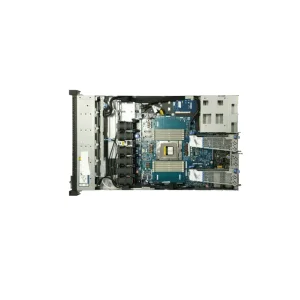
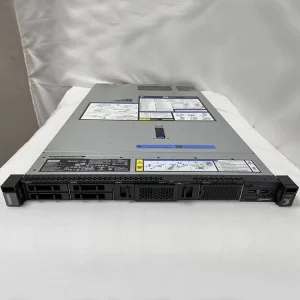
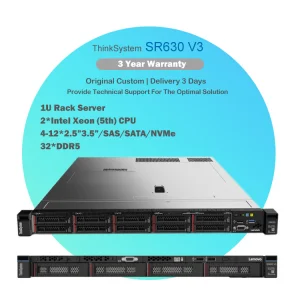
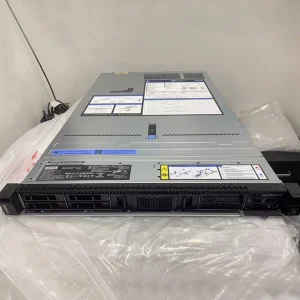
High-efficiency, cloud-ready hardware optimized for localized enterprise databases, virtualization, and virtualization environments.
Ghana is positioned as a pivotal technology hub in West Africa. Thanks to its stable socio-political climate, access to high-capacity subsea fiber cables (such as MainOne, SAT-3, WACS, and Glo-1), and rapid adoption of digital financial services, Accra and Kumasi are seeing unprecedented growth in cloud infrastructure. Governed by the Data Protection Act of 2012 (Act 843), companies operating within Ghana’s financial, healthcare, and telecommunications sectors face strict requirements regarding local data residency. This legal landscape has triggered a significant shift from offshore public cloud reliance back to local, hybrid, and on-premise private clouds.
Consequently, the demand for enterprise-grade rack servers has escalated. Organizations need compute systems that offer high hardware density, robust virtualization capacity, and low-latency performance within local environments. However, sourcing this hardware presents challenges: procurement delays, local support gaps, and the necessity of customizing server components to withstand Ghana’s unique environmental factors, such as higher ambient temperatures and power grid variations.
On a global scale, server manufacturing relies heavily on component availability (such as PCIe Gen5 buses, DDR5 memory modules, and specialized silicon chips like Intel Xeon Scalable and AMD EPYC processors). However, the global supply chain has historically left African markets, including Ghana, underserved in terms of delivery priority and technical support channels.
For Ghanaian enterprises, this dynamic means that working with a direct, agile supplier is far more advantageous than relying on traditional multi-tier distribution networks. An agile supplier can bypass regional delays, offering customized configurations (such as tailored SSD-to-SATA ratio balances, specific RAID controllers, and dual-redundant power supplies) directly to Ghanaian data centers. This ensures that IT managers receive hardware matching the performance requirements of their legacy workloads and modern microservices alike.
When selecting rack servers for deployment in Ghana, IT decision-makers must weigh the architectural benefits of Intel Xeon vs. AMD EPYC processors, alongside thermal and energy constraints:
| Compute Architecture | Primary Workload Match | Power Efficiency & PUE Relevance | Cooling & Thermal Overhead |
|---|---|---|---|
| Intel Xeon Scalable (e.g., SR630 V2/V3) | High-frequency database processing, legacy VM workloads, enterprise ERP software. | Highly optimized for active idle states; helps manage operational costs during lower-use cycles. | Standard thermal envelopes; suited for standard enterprise A/C server rooms. |
| AMD EPYC (e.g., SR665 / SR635) | Massive virtualization density, containerized cloud applications, high-capacity storage arrays. | Outstanding performance-per-watt metrics; ideal for lowering datacenter PUE in warm climates. | Lower relative heat dissipation per core, minimizing mechanical cooling load on datacenter HVAC systems. |
Ghana's power grid is historically prone to voltage fluctuations and load-shedding cycles, colloquially termed "Dumsor". To protect enterprise servers from premature failure, our hardware specs include dual-redundant hot-swap power supplies (800W to 1100W, 80 PLUS Platinum or Titanium certified). Titanium-grade power supplies operate at up to 96% efficiency, minimizing local heat dissipation within the chassis and safeguarding motherboard components from sudden power loss when backup generators (UPS) switch online.
Local banks in Accra require highly secure on-premise compute nodes to process transaction ledgers. Using clustered 2U servers with high-speed SSD RAID configurations ensures sub-millisecond database response times while meeting Bank of Ghana regulations.
West African internet service providers deploy high-core AMD EPYC servers (like the SR665) to run dense virtualization layers, hosting scalable virtual private servers (VPS) for regional SMEs.
Government initiatives require resilient databases for identity registry and tax administration. 1U and 2U rack servers equipped with high-capacity DDR5 memory and redundant drives guarantee service uptime.
As Ghanaian businesses transition from legacy environments, the hybrid cloud architecture has emerged as the premier choice. By pairing on-premise rack servers with remote cloud instances, enterprises balance cost, compliance, and latency. The roadmap below outlines the progression path recommended for local IT departments:
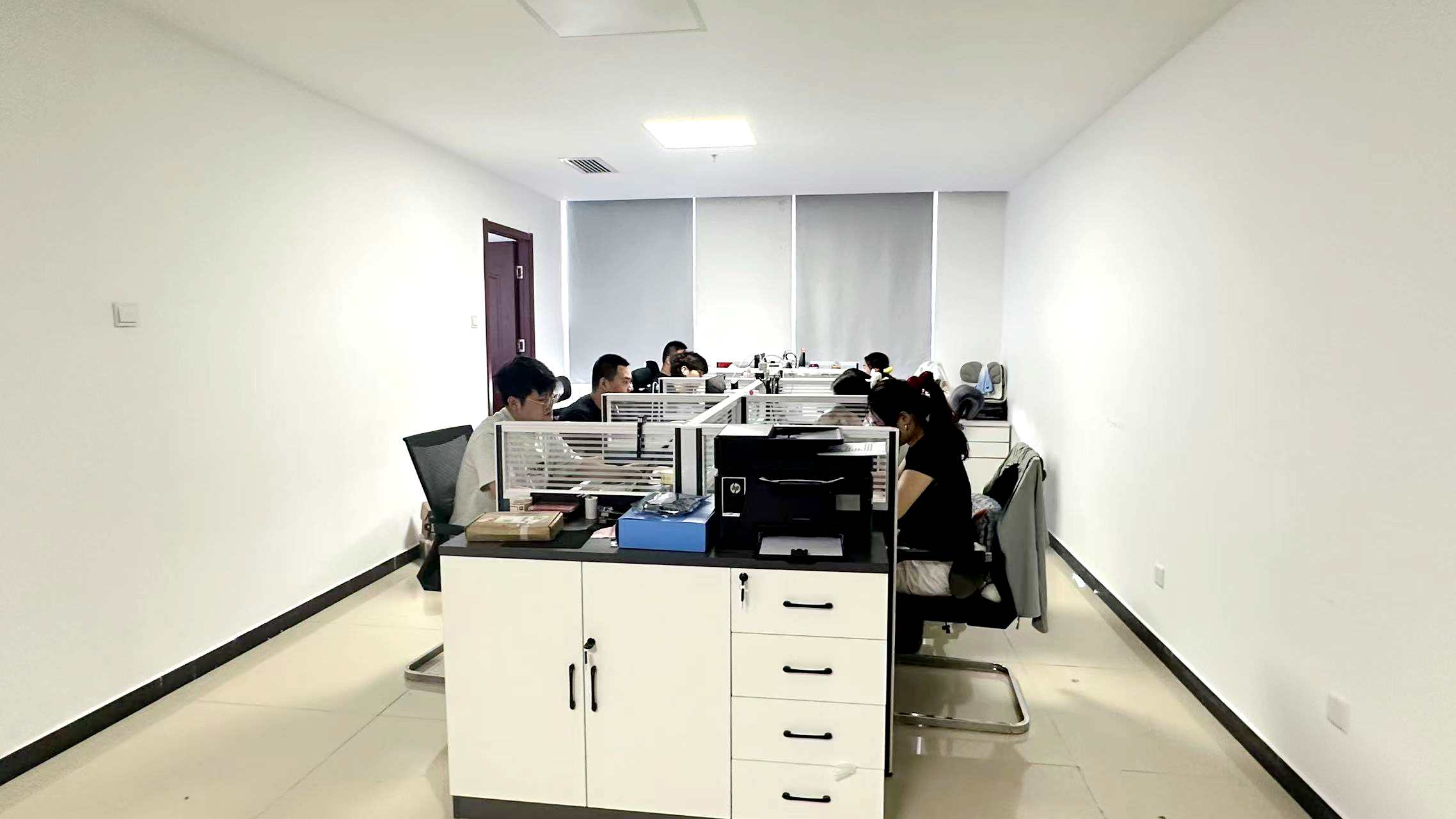
With years of exporting experience, we deliver rigorously tested hardware configurations designed for uninterrupted service.
Our export operations are tailored to handle local regulatory, customs, and logistical requirements, ensuring safe transit and delivery directly to your facility in Ghana. We inspect every server unit before dispatch, ensuring complete structural and functional compliance.
Send Inquiry NowFrom brand-new high-core servers to certified refurbished enterprise options, configure the ideal node for your local workload.
Answers to technical, logistics, and deployment queries commonly raised by local IT managers.
 Vertex AI Server